Honda Restructures F1 Power Unit Leadership Amid Aston Martin Struggles
Honda has moved to reset the leadership of its Formula 1 power unit project, installing Yoichiro Fukao as the new figurehead of its programme with Aston Martin ahead of the sport’s next major rules revolution.
The Japanese manufacturer confirmed a “planned transition” at the top of its F1 structure, with Fukao – currently deputy leader of the project and head of the software division – stepping up to become Large Project Leader. He will replace long-time chief Tetsushi Kakuda.
The handover is scheduled to take effect on 1 October 2026, a date that aligns directly with the new power unit regulations that Honda and Aston Martin have so far failed to turn into an advantage.
Passing the baton at Honda
Fukao joined Honda in 2002 and has climbed steadily through the company’s technical ranks, taking on his current assistant LPL role in 2022. Now he inherits full responsibility for the F1 power unit operation that supplies Aston Martin.
In its announcement, Honda Racing Corporation framed the move as a deliberate, long-term step rather than a reaction to a single bad season. The goal is clear: accelerate development, lock in knowledge, and prepare the next generation of engineers before the new era fully bites.
The manufacturer underlined that the change is designed to “ensure the reliable transfer of technical expertise to the next generation of engineers” and to build “a robust development framework” capable of delivering a “highly competitive PU” under the 2026 rules and beyond, with further tweaks expected from 2027.
The message is one of continuity with urgency. Kakuda has led the current power unit project to this point; Fukao’s job is to take that base and turn it into something that can fight at the front when the fresh regulations arrive.
New rules, old problems
The timing of the announcement, though, comes against a bleak competitive backdrop.
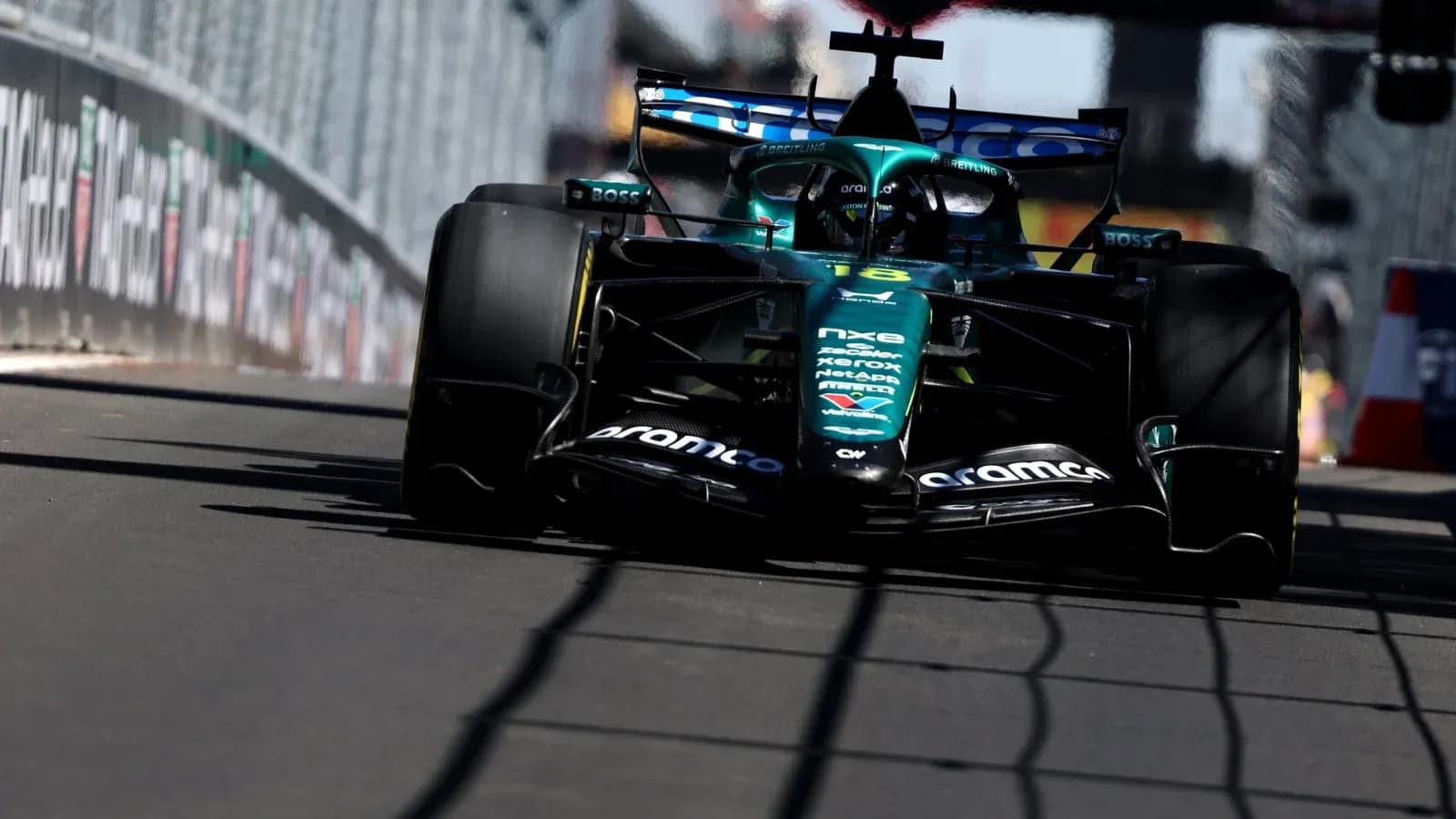
Aston Martin sit 10th in the constructors’ championship with just three points, ahead of only newcomers Cadillac. A team that once harried the frontrunners now finds itself clinging to the fringes of the midfield, and often not even that.
The Spanish Grand Prix underlined the malaise. At Fernando Alonso’s second home race of the year, the double world champion could do no better than 17th, marooned in traffic and far from the points. Lance Stroll did not even see the chequered flag, retiring with brake problems.
This is not the profile of a works-supported operation heading confidently into a new engine era. It is the profile of a partnership searching for answers.
Spec 2 arrives, but the step is small
Honda introduced an upgraded “spec 2” power unit at the Dutch Grand Prix, a development step that was supposed to sharpen Aston Martin’s attack as the season wore on.
On paper, the change has helped. On track, the gains have been modest.
Shintaro Orihara, Honda’s trackside general manager and chief engineer, acknowledged that the result in Spain “isn’t what we wanted”, but pointed to progress beneath the surface. Across the last three races, he said, Honda has improved the driveability of the new unit, ironing out how the engine delivers its power.
By reducing those driveability issues, Orihara argued, Honda can now shift its attention fully to outright performance. In Barcelona, the team tweaked calibrations through the sessions and saw “good signs in the data” that suggested the direction is finally right.
The numbers on the timing screens, though, remain brutal. The Aston Martin–Honda package is still stuck near the back.
A reset before the reset
That is what gives this leadership reshuffle its edge. Honda insist this is a carefully mapped transition, not a panic move. Yet the context is impossible to ignore.
The 2026 rules were supposed to open a fresh chapter, especially for manufacturers willing to invest early and heavily. Instead, Aston Martin and Honda have watched rivals adapt faster to the evolving regulatory landscape, while their own project has laboured to keep pace.
By confirming Fukao’s promotion now, and tying it explicitly to the 2026–27 regulatory window, Honda are making a statement: the structure that delivers the next power unit will not be the same as the one that has presided over this slump.
The technical baton is changing hands early, giving Fukao time to stamp his authority on the project, shape the engineering culture beneath him, and decide how aggressively Honda push on performance versus reliability as the new rules loom.
For Aston Martin, anchored in 10th and wrestling with a car that cannot exploit even the improved driveability of the spec 2 engine, the equation is even starker. Their future is now bound tightly to whether this new Honda structure can turn promise into power.
If Fukao and his team get it right, this miserable season will look like a painful but necessary reset. If they do not, the 2026 revolution may arrive with Aston Martin still looking in the wrong direction.