Honda's Leadership Shake-Up in Formula 1 Engine Project
Honda has moved swiftly to shake up the leadership of its Formula 1 engine project after a stuttering start to its latest chapter in the sport.
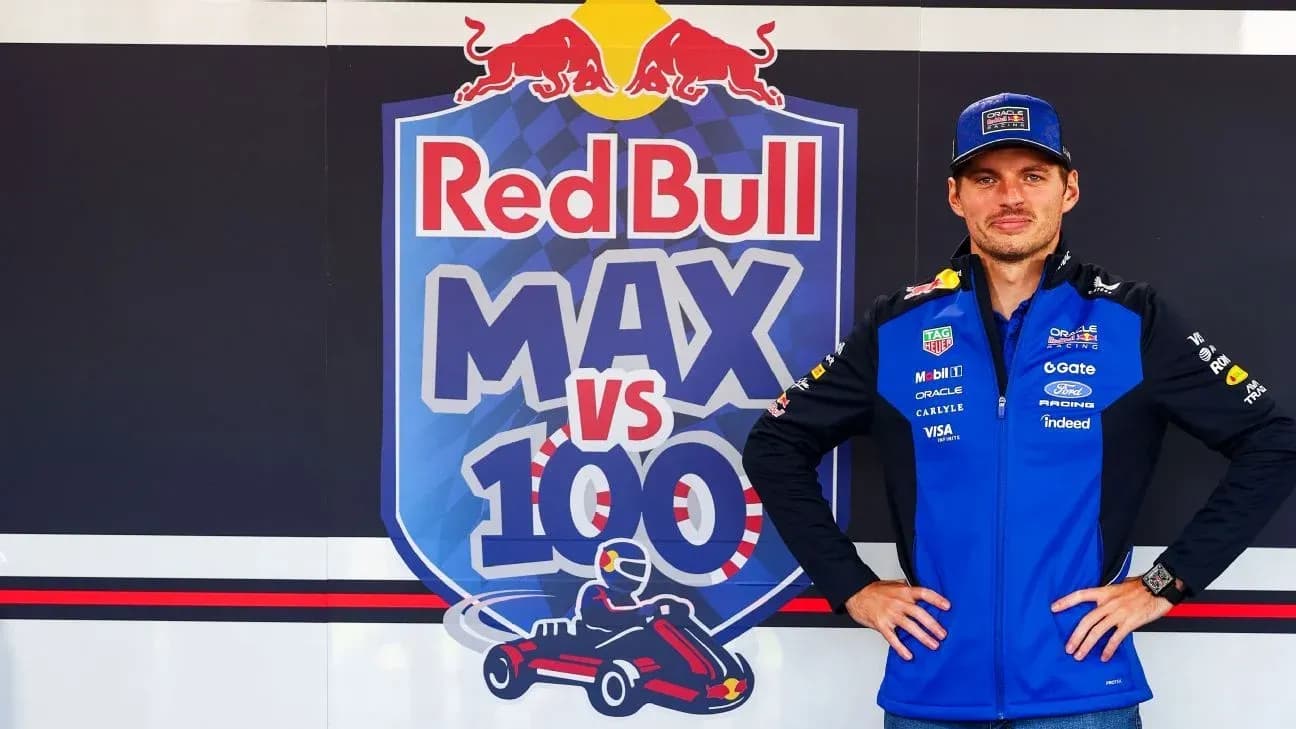
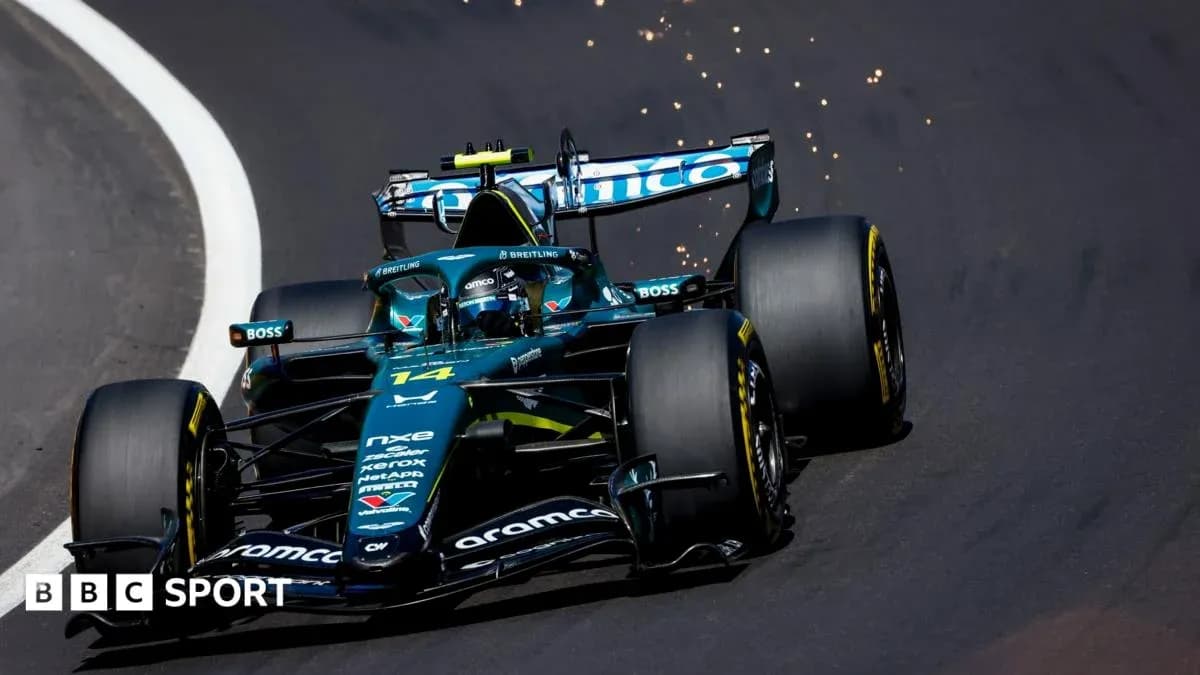
The company that powered Red Bull and Max Verstappen to four consecutive world titles between 2021 and 2024 now finds itself supplying an Aston Martin team languishing near the back. Ten out of 11 in the constructors’ standings, and with a best finish of only ninth for Fernando Alonso at the Dutch Grand Prix, is a long way from the standard Honda has set in recent years.
So the change has come at the top.
Yoichiro Fukao, previously the deputy leader of the F1 power-unit programme, has been promoted to Large Project Leader, taking over from Tetsushi Kakuda, who had overseen this season’s power-unit development. Honda framed the move as part of a planned succession, not a panic response, but the timing underlines the urgency.
In a statement, Honda said the organisational shift is designed to secure “the reliable transfer of technical expertise to the next generation of engineers” and to build a “robust development framework” for the looming regulation reset. The manufacturer wants a “highly competitive PU” ready for 2026, when its full works partnership with Aston Martin begins, and is choosing to bed in the new structure early with major rules changes also expected again from 2027.
The first tangible sign of Honda’s push to recover lost ground arrived at Zandvoort, where it introduced its opening engine upgrade of the season. Shintaro Orihara, Honda’s head of trackside operations, spoke of a “step forward in terms of performance on our metrics”. Inside the paddock, though, the step was judged to be modest, and crucially smaller than Aston Martin had hoped for.
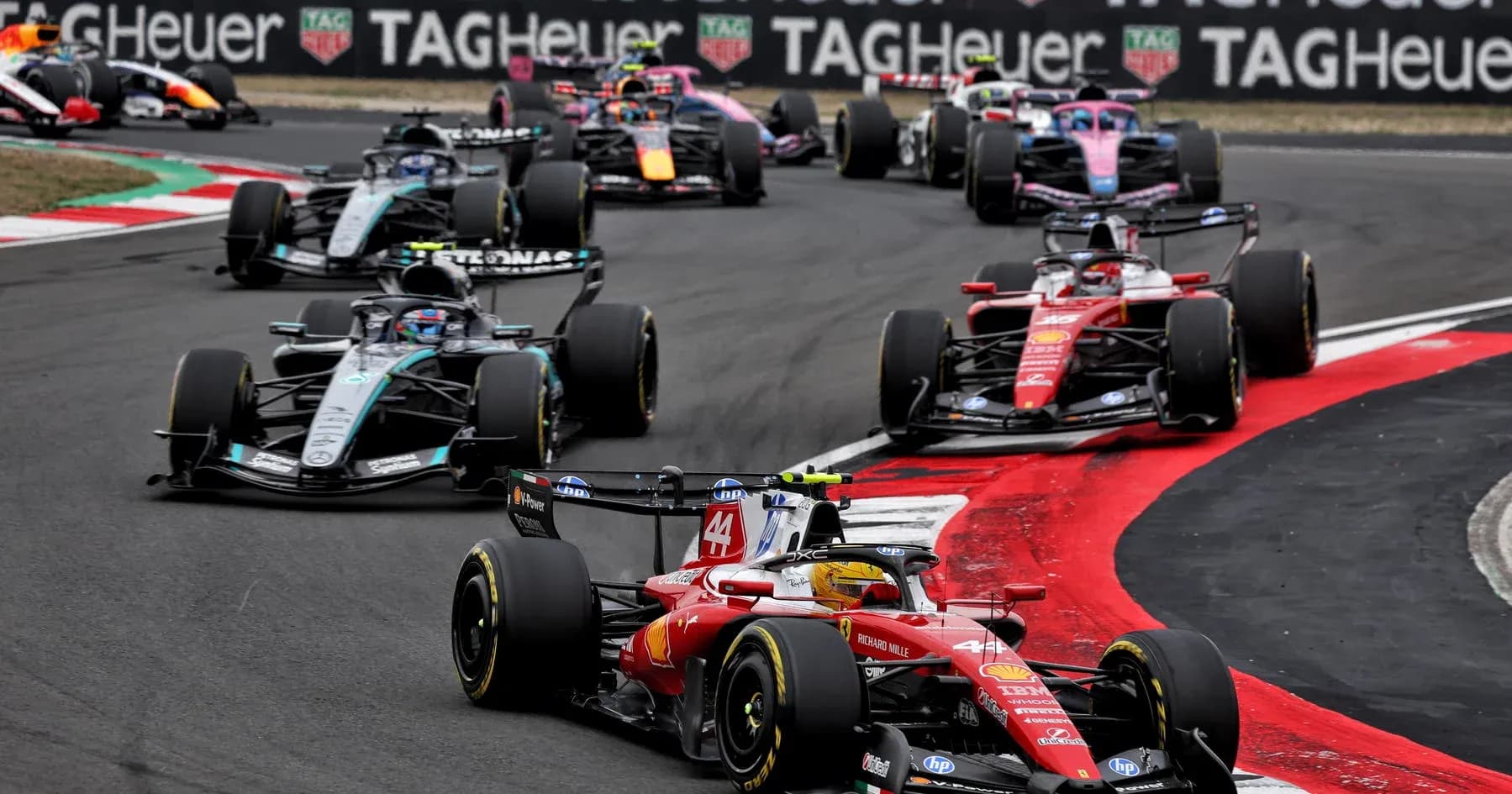
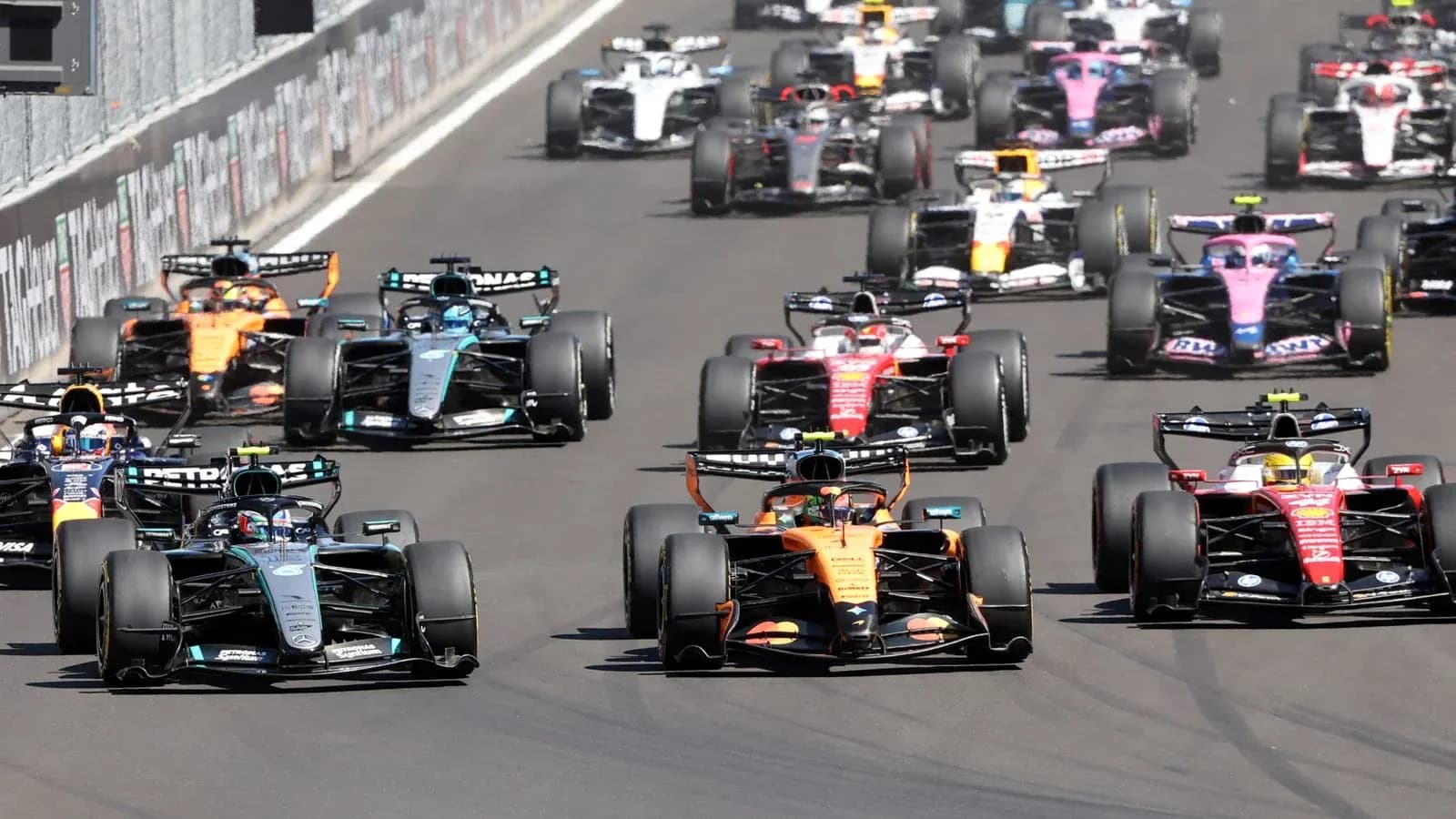
The numbers are stark. The shortfall from the Honda power unit is said to be worth at least a second per lap once the deficits from the internal combustion engine and the hybrid system are combined. In the current era, that is the difference between fighting for points and slipping out in Q1.
That hybrid side is only going to grow in importance. From 2026, F1 engines will run with an almost 50-50 split between internal combustion and electrical power. Energy recovery and deployment will sit at the heart of performance, with batteries charging and discharging multiple times a lap. Any inefficiency in that loop will be brutally exposed.
Right now, it is already hurting. At the Spanish Grand Prix, Alonso was knocked out in the first part of qualifying, 2.2 seconds adrift of the fastest time of the session. For a driver of his calibre, in a team that only recently fought for podiums, that gap tells its own story.
Honda has chosen its moment to act. The question now is whether this change at the top comes early enough to turn an ailing project into a title-ready engine by 2026.