Imam-ul-Haq Injury Controversy: Wasim's Accusation Sparks Debate
At Lord’s, Pakistan were already on the ropes. Then came a blow from outside the boundary.
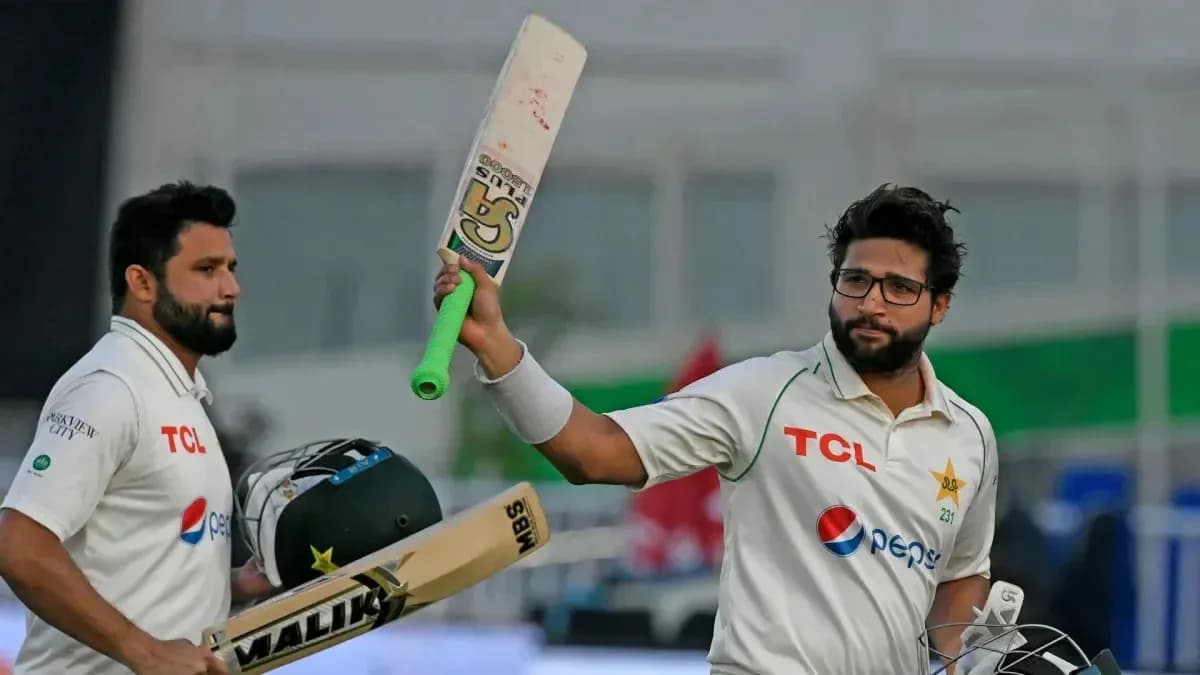
Former chief selector Mohammad Wasim has accused Imam-ul-Haq of “faking” injuries, dragging one of Pakistan’s senior batters into an ugly public row at the very moment the team is unravelling in the middle.
A calf strain, a scan – and a storm
Imam left the field on day one of the second Test at Lord’s with a left calf problem picked up while fielding in the evening session. The Pakistan Cricket Board quickly moved to clarify the situation.
“Scans later confirmed a low-grade calf strain and Imam is currently receiving treatment under the supervision of the Pakistan medical team,” the PCB said, adding that his participation for the rest of the Test would depend on how he responded to treatment.
In pure cricketing terms, it was a significant setback. Imam had opened the batting with young Azan Awais in the series opener at Leeds, a match Pakistan lost by an innings inside three days. Losing that level of experience at the top of the order, on a tour already turning sour, only deepened the sense of crisis.
Then Wasim lit the fuse.
“In 2022 Multan Test, the physio warned me in advance that he is going to fake an injury soon. And he did that,” Wasim claimed, alleging a pattern of behaviour from Imam that goes well beyond a single fitness issue at Lord’s.
No documents. No medical reports. Just his recollection of a private warning, aired mid-series while the player in question is under treatment for a scan-confirmed strain.
England ruthless, Pakistan ragged
The noise around Imam arrived against a bleak scoreboard.
Pakistan’s first innings at Lord’s lasted just 37.2 overs. They were bundled out for 110, handing England a 180-run lead after the hosts had earlier been dismissed for 290.
Ollie Robinson was relentless. Thirteen overs, six maidens, 4 for 11. He probed, he nagged, and Pakistan’s technique buckled. Jofra Archer added 3 for 26 in 11.2 overs, his pace and hostility too much for a brittle batting line-up. Josh Tongue chipped in with two wickets. Only Gus Atkinson went wicketless, a footnote on a day dominated by England’s seamers.
By stumps on day two, England were 81 for 3 in their second innings, the overall lead already 261 when bad light closed in. The game, and perhaps the series, had tilted heavily in the home side’s favour.
This is the backdrop against which Wasim chose to question Imam’s integrity.
Serious claim, flimsy platform
Wasim’s allegation cuts deep. To accuse a current international of feigning injury is to question not just professionalism, but basic honesty. It is the kind of charge that sticks in dressing rooms and in public perception, even if it never comes close to being proven.
That is the core problem here. Timing and evidence.
Fitness and injury management are fair topics for any former selector. If someone in that role believes there is a pattern of withdrawals or questionable complaints, they are entitled to raise it. They might even be duty-bound to do so through proper channels.
But dropping a line about a supposed fake injury from 2022 into a media conversation, right as the same player is sidelined with a medically verified strain, is something else entirely. It blurs the line between genuine concern and point-scoring. It risks turning a complex, structural crisis in Pakistan cricket into a personality drama.
Imam’s reputation takes a hit the moment such a claim is made, regardless of whether it stands up to scrutiny. At the same time, the credibility of the allegation itself is undermined by the lack of corroboration. Both suffer.
Distraction from deeper problems
Pakistan’s issues on this tour are plain to see: collapses like the 110 at Lord’s, technical frailties against high-quality seam, a batting order that does not trust itself to bat time, and an overall set-up that lurches from one selection and management debate to the next.
Those are not problems solved by questioning one opener’s injury record in public.
Throwing unverified accusations into the middle of a series does something else: it shifts the conversation away from coaching, preparation, domestic structures, and selection strategy, and towards whispers and innuendo. It gives everyone an easy talking point while the harder questions about how Pakistan bat, plan and develop players remain unanswered.
If Wasim truly has evidence to support what he says happened in Multan, it belongs in a formal review, not as a passing remark while Pakistan are being outplayed at Lord’s. If he does not, then the damage from this episode will not be limited to one player’s name. It will be another reminder of how quickly Pakistan cricket can turn on itself when the pressure rises.
The scoreboard at Lord’s already tells one story. The way this accusation is handled from here may tell an even more revealing one about where Pakistan cricket is heading.