India's Asian Games 2026: Elavenil Valarivan Shines with Two Silvers
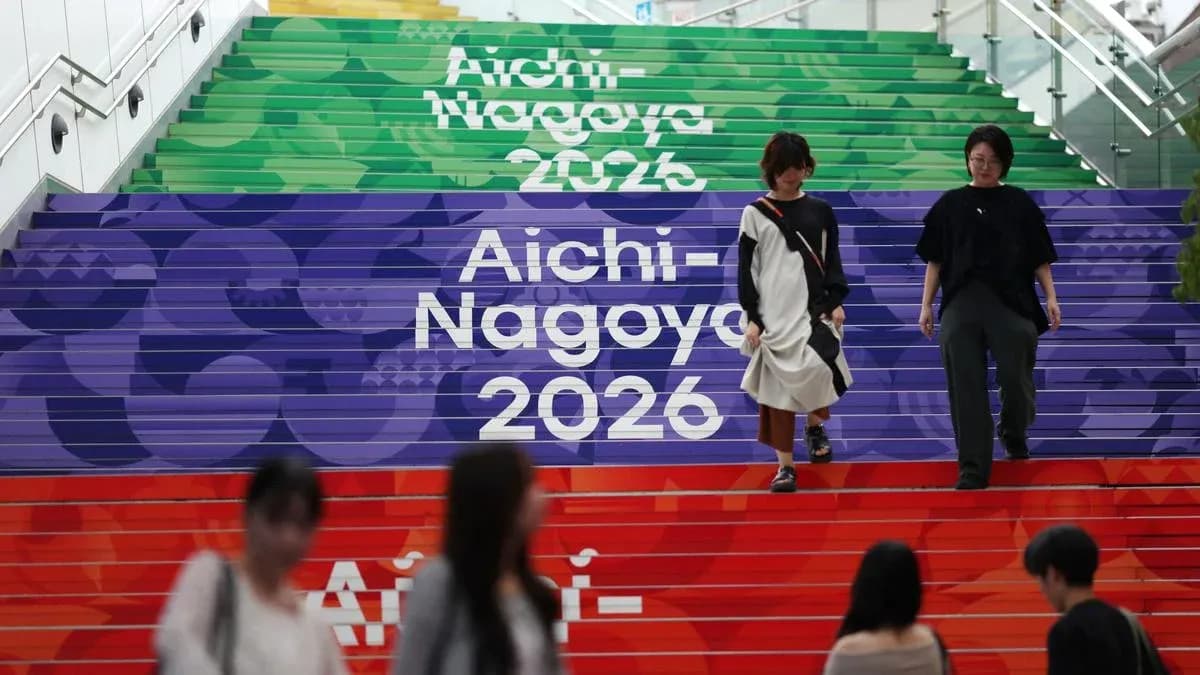
India’s Asian Games 2026 campaign in Aichi-Nagoya needed a spark. It arrived from 10 metres out, through the calm, clinical precision of Elavenil Valarivan.
On the opening Sunday of medal action, India got on the board with two silvers in the women’s 10 m air rifle, and both had Elavenil at the heart of them.
Elavenil leads from the front
First came the team silver. Elavenil, already one of India’s most decorated rifle shooters, anchored a composed display alongside Sonam Uttam Maskar and Vidarsa K. Vinod. Between them, they stitched together a steady series of scores that kept India in the medal frame from the early rounds and eventually secured second place on the podium.
The tone of India’s shooting campaign changed with that result. The jitters of a new Games eased. The medals column, blank all morning, finally flickered into life.
Elavenil then went back to the line and did it again.
In the individual event later in the day, she produced another assured performance to claim silver, confirming her status as the spearhead of India’s shooting contingent and turning a promising start into a genuinely strong one.
Two events. Two silvers. One name at the centre.
Medals guaranteed elsewhere
The early returns were not limited to the shooting range.
On the mats, Suchika Tariyal fought her way into the semifinals of the women’s traditional 60 kg category in mixed martial arts. That single step carries huge weight: it guarantees India at least a bronze, with the chance of something more if she pushes through to the final.
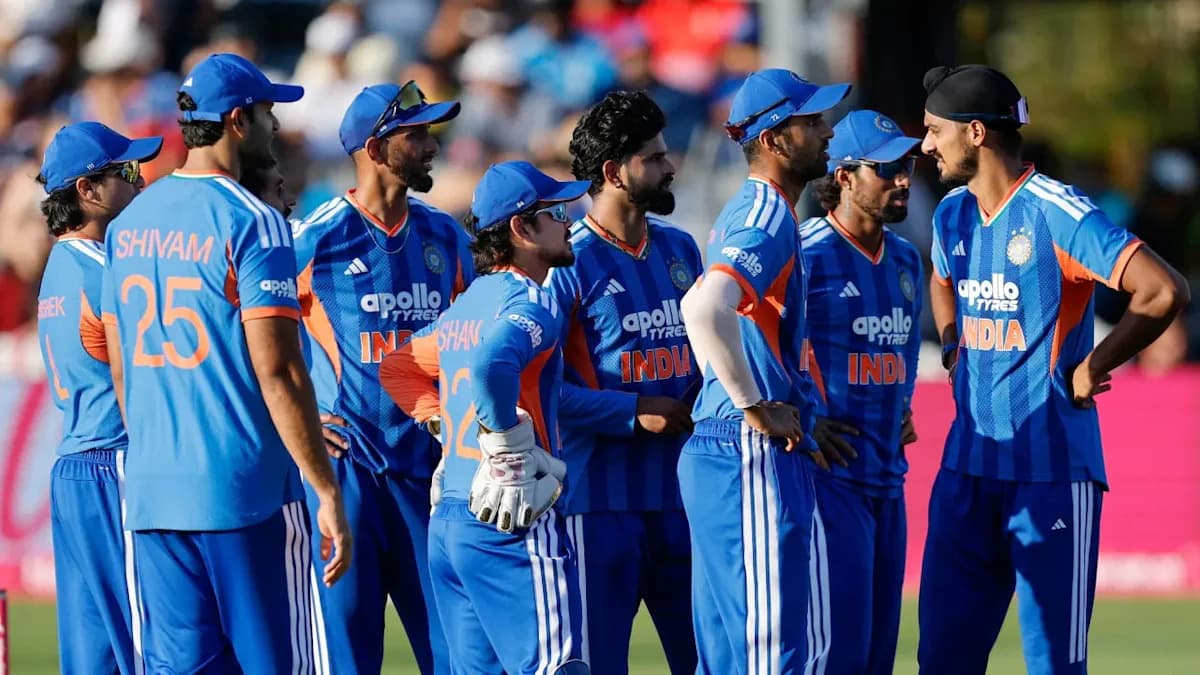
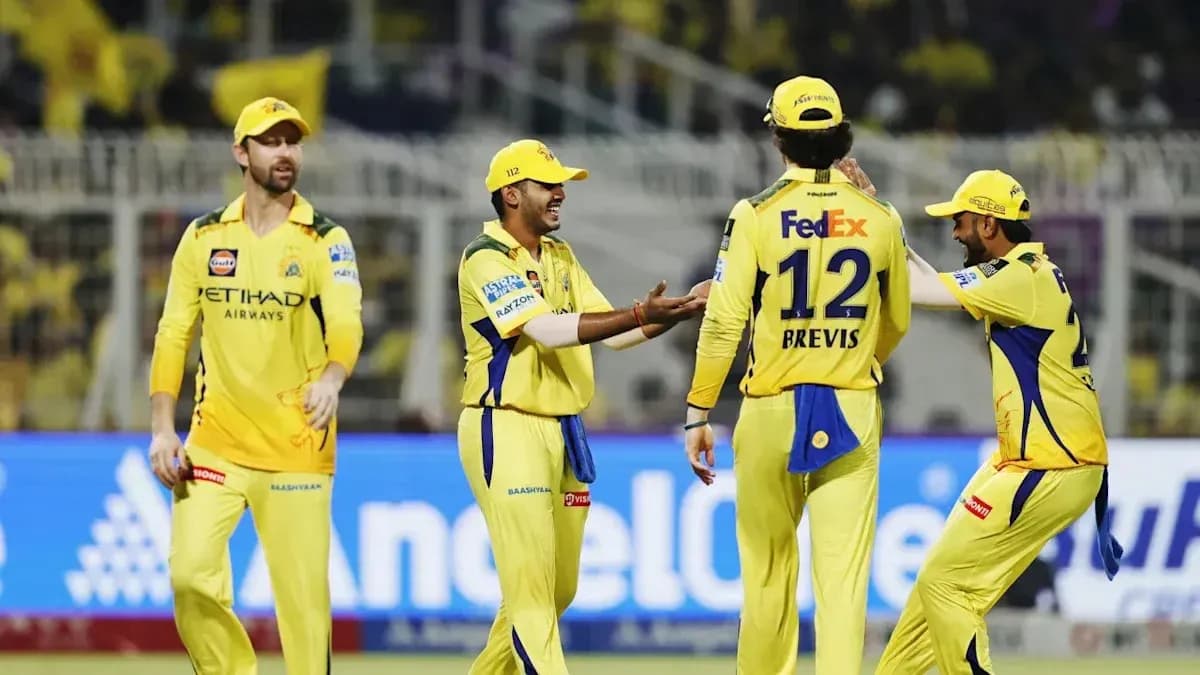
On the cricket field, the women’s team has already done its part to keep India’s medal machine ticking. By reaching the final, they have locked in at least a silver in women’s cricket, with a shot at gold still very much alive.
Between the precision of the range, the grit of the cage, and the calm authority of the cricket team, India’s early medal map is beginning to take shape.
A 501-strong statement of intent
Behind these first results stands one of India’s largest-ever Asian Games contingents: 501 athletes, 267 men and 234 women, spread across 36 disciplines.
They have come to Japan chasing something specific, not just experience or exposure. They are here to build on the benchmark set in Hangzhou, where India finished fourth behind China, Japan and South Korea with a record haul of 106 medals.
That number now hangs over Aichi-Nagoya like a challenge.
The names leading this campaign underline its ambition. Manu Bhaker and Elavenil in shooting. Mirabai Chanu in weightlifting. Lovlina Borgohain in boxing. P.V. Sindhu in badminton. Aman Sehrawat on the wrestling mat. Tajinderpal Singh Toor and Gulveer Singh on the track and field. Harmanpreet Singh in hockey. Smriti Mandhana and Jasprit Bumrah in cricket.
These are not athletes arriving to make up the numbers. They are standard-bearers of a country that now expects to be in the thick of the medal race.
A start that demands a response
Two silvers in a single shooting discipline. A guaranteed medal in mixed martial arts. A women’s cricket final booked with gold on the line. For an opening day, this is more than a gentle warm-up.
It is a reminder of where India now stands in Asian sport — no longer content with isolated flashes, but hunting sustained success across the programme.
The medal table will shift and swell over the coming days, numbers rising and orders changing as competitions reach their climax. For India, though, one question already looms over Aichi-Nagoya: can this deep, star-laden contingent turn a solid start into another historic Games?