India vs Japan: Controversial Finish in T20 Thriller
On a damp afternoon in Sano, a five-over hit-out that was supposed to be a diplomatic warm-up turned into a flashpoint that has the cricket world seething.
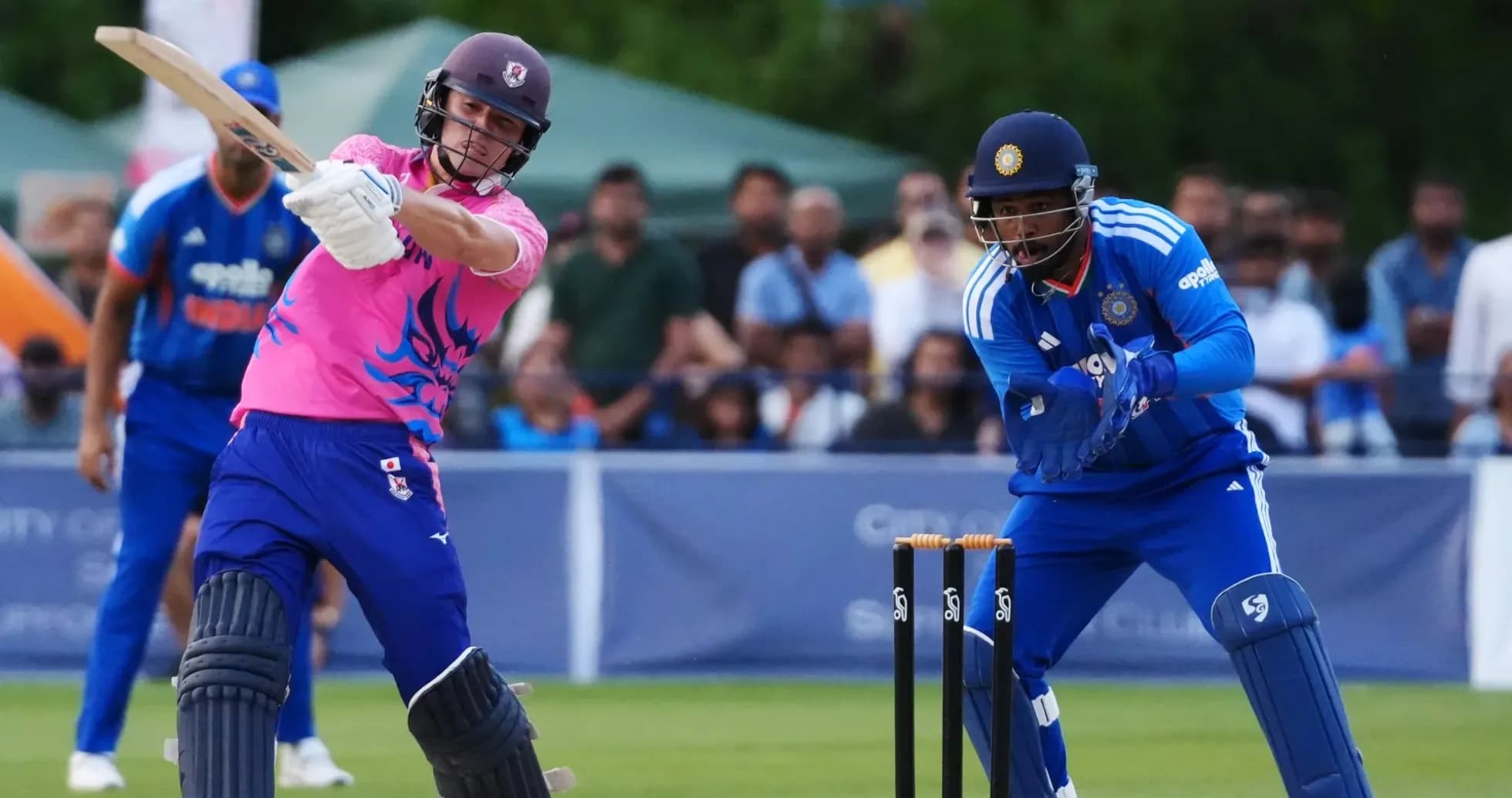
India, the three-time T20 world champions and current standard-bearers of the format, beat Japan by two runs in a rain-shortened one-off match at Sano International Cricket Ground on Tuesday. The scoreline reads 32-4 plays 30-3. The story is far messier.
At the heart of it: a wide, an argument, and an umpire’s decision that never should have been changed.
A mismatch on paper, a thriller in reality
The script before the toss was simple. India, stacked with stars and depth, against Japan, ranked 41st in men’s T20Is, with just 7,300 registered players and 16 grounds in the entire country. A showcase, not a contest. A soft launch to the Asian Games, not a trial by fire.
Rain tore up that script.
The match was cut to five overs a side. Shreyas Iyer won the toss and batted on a slow, low surface that made timing a luxury. Suddenly, every ball mattered. Every miscue could swing the game.
Japan sensed it early.
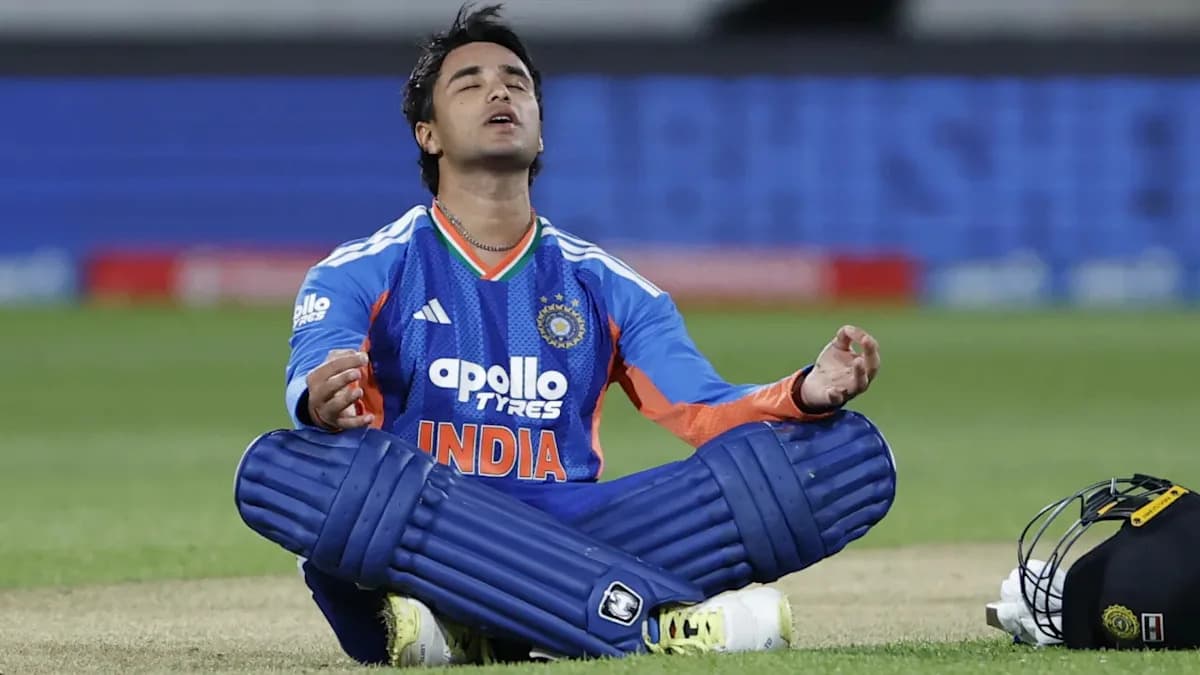
Charlie Hara-Hinze, bustling in with the new ball, struck in the first over. Abhishek Sharma, one of India’s brightest white-ball hopes, fell cheaply. Hara-Hinze returned and promptly removed Ishan Kishan with the second ball of his next over. Two established Indian names gone, and the hosts were buzzing.
Iyer dragged India back. His 16 from 12 balls was hardly a showreel knock, but on this pitch it was gold dust. India limped to 32-4, a total that would have been laughed off in a full T20 but felt awkwardly defendable in five overs.
Japan’s chase gathers belief
Chasing 33, Japan walked out knowing they needed only one decent over to tilt the game. India responded by strangling them with spin from ball one.
Axar Patel, operating with the new ball, struck in his first over, removing Lachlan Yamamoto-Lake with his fourth delivery. The pitch gripped. The ball held up. Nothing came easily.
Japan needed 31 from the remaining four overs. They scraped six runs and lost another wicket in the second, bowled by Washington Sundar. The chase, at that point, looked like it might die quietly.
It didn’t.
Japan’s captain Kendel Kadowaki-Fleming countered with intent and clarity. Working the gaps, picking his moments, he nudged his side back into the contest. Across the next two overs, India’s spinners leaked 17 runs, but they did find the breakthrough: Kadowaki-Fleming gone for 12. A small number on paper, a huge one in context.
The equation tightened. Patel took the ball for the final over. Japan needed eight, with seven wickets still in hand. The world champions were under real pressure, from a team many fans had barely seen before.
Dot ball. Single. Tension rising in Sano.
Then came the ball that has sparked a global argument.
The wide that was, then wasn’t
Patel ran in and dragged his next delivery outside the batter’s reach. Alexander Shirai-Patmore shaped for a reverse sweep, but the ball stayed out of his hitting arc. The umpire at the bowler’s end, Chris Thurgate of Japan, stretched his arms. Wide.
Japan now needed five from four. A famous upset was suddenly within touching distance.
India did not like it.
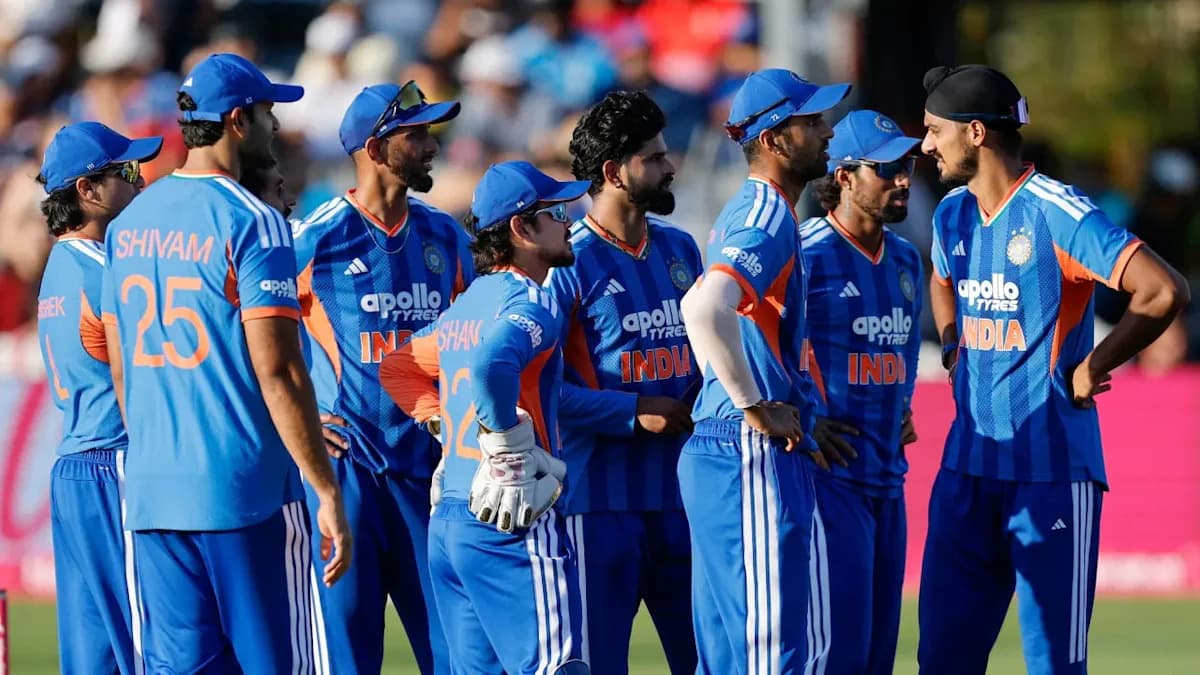
Iyer and Patel immediately protested. Animated, insistent, they moved towards the umpire. Thurgate conferred with his colleague, Chris Brown of New Zealand. No replay. No visible review process. No sign of the Decision Review System or any formal check.
Then, without any evidence shown, the wide was revoked.
One moment, Japan had five off four. The next, they were back to six off four. No extra ball. No extra run. Just a decision wiped away under pressure.
The final three deliveries brought only three singles. Japan closed on 30-3, two runs shy of India’s 32-4. The scorecard will forever say “India won by 2 runs.” It will not show the uproar that followed.
Laws, lines and a storm of criticism
The anger came quickly.
Cricket’s laws are clear on when a wide can be cancelled. Law 22.3 of the MCC’s Laws of Cricket allows an umpire to revoke a wide if the ball touches the bat or the batter’s body before reaching a fielder, or if the delivery is called a no-ball.
Neither applied here. There was no contact with bat or body. There was no no-ball. The original wide call, once made, should have stood.
Instead, it disappeared.
What made it worse was the manner of the change. In international cricket, when a decision is reviewed, fans see the replay, hear the TV umpire, and understand the process. This time, there was nothing. No on-screen review. No explanation. Just a quiet consultation and a complete reversal.
The optics were brutal: India’s captain and bowler challenging the umpire, and the umpire backing down.
Ben Gardner, a cricket writer with Wisden, did not hold back, calling it a “disgraceful decision” and accusing India of having “bullied the umpires into overturning a wide call against Japan” with “five off four needed for the biggest upset in cricket history.”
On social media, the language was even sharper. “Japan were robbed here,” wrote Abu Zaid Sarooji, echoing a sentiment that spread quickly among neutrals.
Even some Indian supporters sided with Japan, pointing out that Shirai-Patmore had not altered his stance before the ball was delivered, so he had not tried to manipulate the wide line. In their eyes, the delivery was simply wide. The call was right the first time.
Umpires under the microscope
The spotlight has now swung onto Thurgate and Brown.
Thurgate, standing at the bowler’s end, made the initial wide call. After India’s protests, he and Brown huddled, then reversed it. No law appeared to justify the change. No external review was used. The decision seemed to rest solely on that brief, pressured conversation.
In a sport that prides itself on respect for officials and frowns on players haranguing umpires, the optics cut deep. For many, it looked like a line being crossed: elite players influencing a marginal call at a critical moment against a far weaker opponent.
The Japanese players’ faces at the end told their own story. Heads down, shoulders slumped, they trudged off knowing they had gone toe-to-toe with the best and still come away with a hollow defeat.
Pride, pain and a “first page of a new era”
The post-match comments stayed away from the flashpoint.
Iyer spoke about conditions instead. “Honestly speaking, it was a very difficult wicket to bat on,” he said. “A five-over game, it can go anywhere. It doesn’t matter how good a team you are.”
He reserved special praise for Japan. “The attitude and approach the Japanese team showed today was impeccable, and kudos to them. Their approach was outstanding. I’m sure that they are on the right track.”
Kendel Kadowaki-Fleming, for his part, focused on the bigger picture. “Emotions are running pretty high in our group. But the fact that we’re able to run the best team in the world, in my opinion, to the last ball of a game is pretty special,” he said. “I think today was a really momentous occasion in that it was the first time we were able to face a full member.”
This was, after all, Japan’s most high-profile cricket match. An associate member of the ICC, finally facing a full member — and not just any full member, but India, the sport’s financial and cultural powerhouse.
The game itself was the product of years of quiet work by the Japan Cricket Association. The JCA lobbied the BCCI for more than a year to secure a T20 International in Sano, helped along by corporate backing and the Japanese government’s involvement. It was a diplomatic coup as much as a sporting one.
JCA chief executive Naoki Alex Miyaji had framed it soberly before a ball was bowled. One match, he said, would not suddenly make cricket as big as baseball or football in Japan. But the fixture against India, he insisted, was “the first page of a new era.”
He was right. Just not in the way anyone expected.
Instead of a gentle showcase, Japan got a crash course in elite-level pressure, fine margins and the hard edges of international sport. They also got something else: proof that they can live with the giants.
They pushed the world champions to the final ball, on a difficult pitch, under a global spotlight. They forced India into a corner. They forced the umpires into a decision that will be debated for a long time.
For Japan, this will sting. For cricket, it leaves an uncomfortable question hanging over Sano: in the sport’s new frontiers, will the game’s biggest powers play fair when the underdogs dare to bite back?