Moses Itauma vs Filip Hrgovic: A Heavyweight Showdown
For eight rounds at the O2, it looked like a coronation, not a contest.
Moses Itauma, the 21-year-old prodigy billed as the next great heavyweight, boxed as if the IBF title already belonged to him. He was too quick, too sharp, too assured for Filip Hrgovic. A second-round knockdown underlined the gap. The script seemed set: youngest heavyweight belt-holder since Mike Tyson, third-youngest British world champion of any kind, the rise of a new era.
Then reality, in the shape of a hardened Croatian, tore the script in half.
Hrgovic had arrived in London lean, focused and unshaken by the hype. His 236.2-pound frame was the lightest he’d carried into a ring since 2019, and all week he spoke like a man who knew something the rest of us didn’t. On Saturday night, in front of a sold-out O2 and under the DAZN PPV glare, he showed exactly what that was: how to survive, and then how to turn a beating into a knockout.
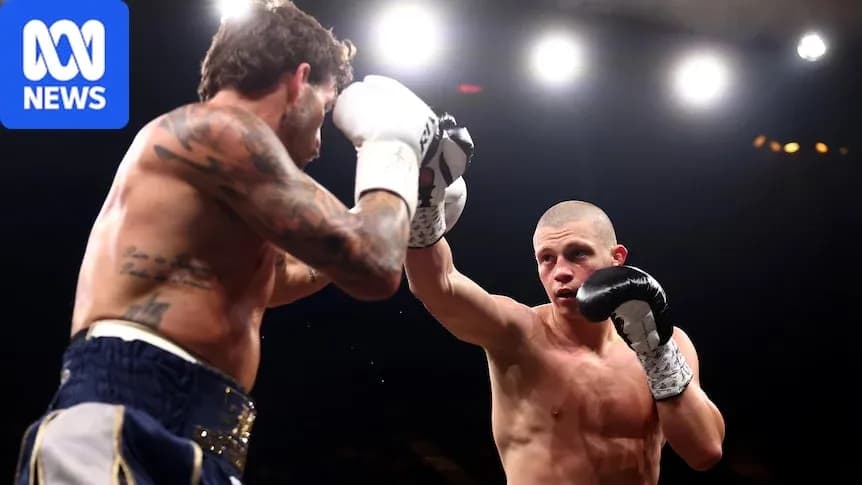
Itauma’s speed advantage was obvious from the opening bell. He snapped in combinations, beat Hrgovic to the punch, and looked every inch the phenom so many had anointed. The second-round knockdown felt like confirmation. A clean shot, a statement, and a sense that the night might be over early.
But Hrgovic refused to behave like a supporting actor.
He got up. He steadied himself. He walked through the kind of clean blows that have broken better men, his right eye sliced open, blood mixing with sweat as the rounds piled up. Every second of his 10-year professional career, every lesson from a deep amateur run that brought him a 2016 Olympic bronze for Croatia, came to the surface.
Itauma, for all his talent, carried only 31 professional rounds into this fight. He had never been beyond the sixth. He had never faced anyone close to Hrgovic’s level. For a while, that didn’t seem to matter. His rhythm held, his feet stayed light, his punches stayed crisp.
Then the clock, that cruelest judge, joined the fight.
As the bout moved into the second half, the gap in experience began to show. Hrgovic was still there. Still pressing. Still forcing Itauma to work at a pace he had never known. The young Brit’s shots lost a little snap. His legs looked a touch heavier. The dominance on the scorecards remained, but the dynamic had shifted. The veteran had dragged the prodigy into the kind of deep water he had promised.
That was the plan all along: survive early, drown him late.
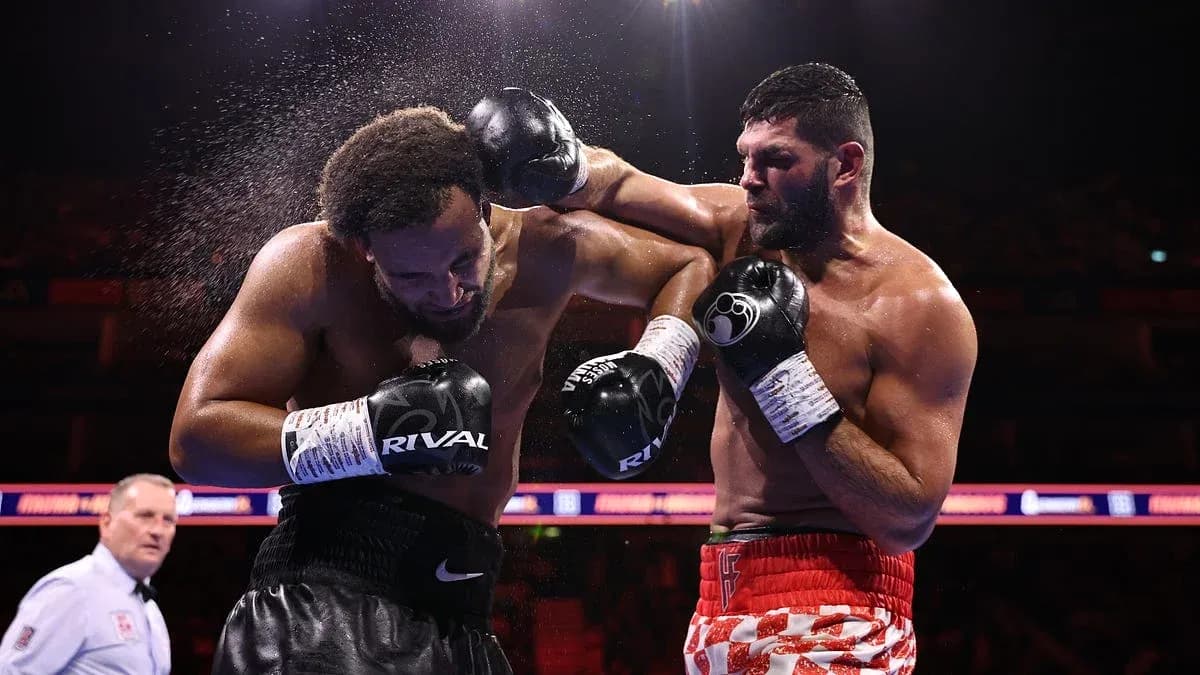
The pressure finally told in the ninth. Itauma, utterly spent, had nothing left to keep Hrgovic off. The Croatian, sensing the moment, poured on the kind of sustained, ruthless assault that defines champions. Punches thudded home. Itauma, exhausted and overwhelmed, could no longer answer the questions being asked of him.
The finish was brutal and emphatic. Hrgovic closed the show with a dramatic ninth-round knockout, tearing the IBF heavyweight belt away from the man who had been all but crowned. The O2, which had spent much of the night waiting for history, instead witnessed a reminder of an old truth: talent excites, but experience endures.
Itauma left the ring on a stretcher and was taken to hospital as a precaution, his aura of inevitability gone, his potential still vast but now marked by scars. He had been heavily favored, a “mere babe in the woods” in terms of ring miles, and he discovered what happens when raw brilliance meets a man who has seen it all and refuses to fold.
Hrgovic, bloodied yet unbowed, walked out with the belt and something more valuable in a division obsessed with youth and hype: proof that a granite chin, a big heart and a lifetime in the game can still rip up the best-laid plans.