Jannik Sinner: Chase the Heat or Protect His Crown?
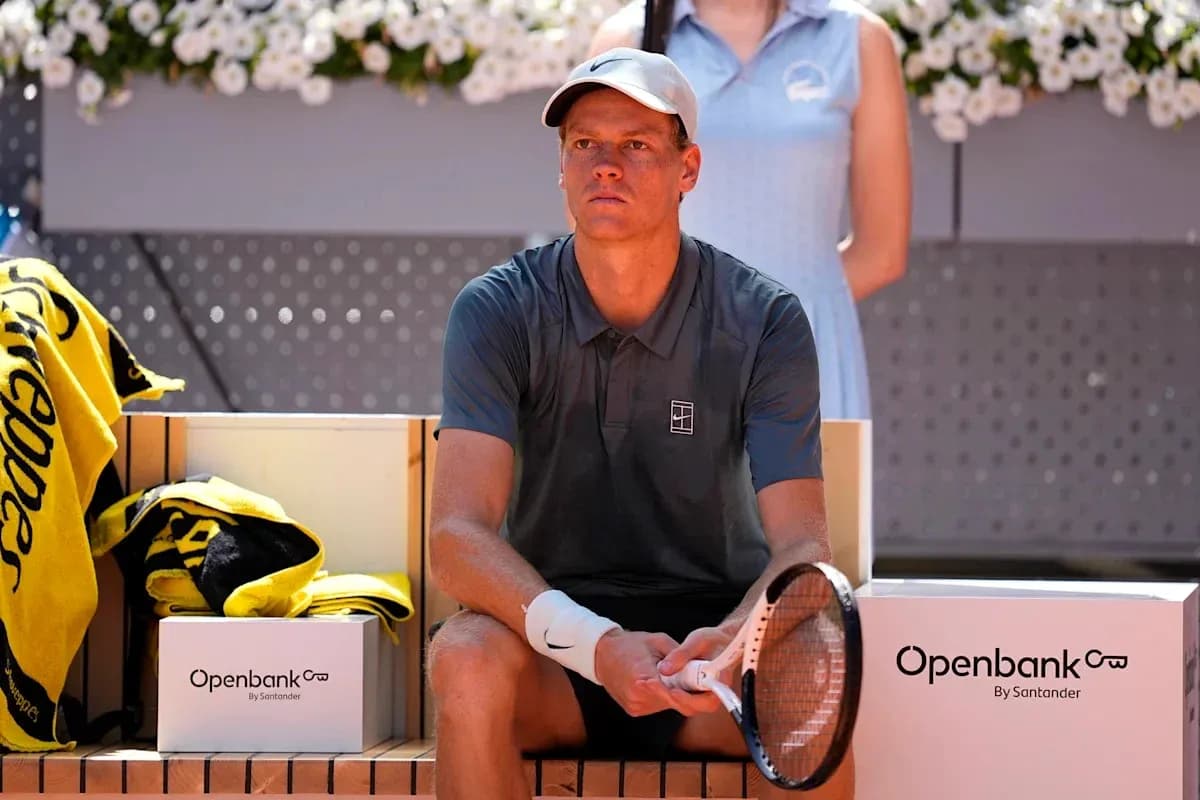
The last image tennis has of Jannik Sinner is pure coronation: Centre Court, July 12, the Italian lifting the Wimbledon trophy high into the London sky. Since then, silence. No hard-court tune‑ups, no North American grind. The World No. 1 has not struck a ball in anger for more than two months, and the sport is waiting to see where he reappears.
Asia, though, may not be the answer.
Former ATP pro Stefano Pescosolido believes Sinner should resist the lure of the Asian swing and think longer term. The concern is not form. It’s the body.
“I think he's a little more careful from a physical standpoint. He wants to avoid relapses,” Pescosolido told Tuttosport, framing the debate that now hangs over the men’s tour. “The Slams are his main goal, and I imagine he wants to be at his best next year to try to win as many as possible. There are two options: Beijing and Shanghai, or starting with the indoor tournaments.”
That split — chase points in brutal conditions or reset indoors — could define Sinner’s season and reshape the No. 1 battle.
The Heat Problem Sinner Can’t Ignore
Sinner’s talent has never been in question. His tolerance for extreme conditions has.
From Melbourne to Europe, the pattern is familiar. Long, punishing days in the sun have repeatedly dragged him into danger. The last two Australian Opens exposed his vulnerability in the heat. So did a string of European events played under a relentless sun.
The most dramatic collapse came at Roland Garros this year. One game from victory in the second round against Juan Manuel Cerundolo, Sinner’s body simply shut down. Full-blown cramps, energy gone, resistance minimal. The World No. 1 walked off not just beaten, but emptied.
The context matters. In the lead‑up to Paris, Sinner played all five Masters 1000 events. He cleaned up the titles, but the bill arrived in Paris. Fatigue layered on top of physical fragility, and the French Open ended in a shock exit that still lingers over his scheduling choices.
Pescosolido sees the same warning signs ahead.
Last year at the ATP 1000 in Shanghai, Sinner again ran into trouble. Humid, heavy conditions, even at night, forced him to retire against Tallon Griekspoor. Now the calendar is offering a similar test: hot, sticky Asian conditions in Beijing and Shanghai, followed by the indoor season.
No wonder Pescosolido is floating a radical solution.
“He could skip the Asian trip and return from Vienna, to be ready for the ATP Finals, in order to best plan for the following year,” he suggested.
It’s a coldly logical idea. Indoors, there is no sun to sap his legs. No suffocating humidity. Just controlled conditions and a surface on which Sinner has been almost untouchable.
Indoors: Sinner’s Natural Fortress
If Sinner wants a soft landing spot for a comeback, the indoor circuit is it.
The numbers are emphatic: ten titles from twelve indoor finals. That’s not just a comfort zone, it’s a fortress. Vienna, in particular, has been good to him. Two titles already, and the kind of slick, low‑bounce conditions that sharpen his flat, aggressive baseline game.
Starting in Vienna would mean bypassing Beijing and Shanghai entirely, then using the European indoor swing as a ramp into the ATP Finals in Turin. For an Italian World No. 1, the year‑end showpiece on home soil carries emotional and strategic weight. He is already qualified. He will want to arrive there fresh, not drained.
On paper, it all lines up. Skip the punishing heat, protect the body, attack indoors, and build toward Turin and 2025.
But tennis is never played only on paper.
The Ranking Gamble: Zverev Waiting in the Wings
There is a price for skipping Asia, and it is printed clearly on the ATP rankings sheet.
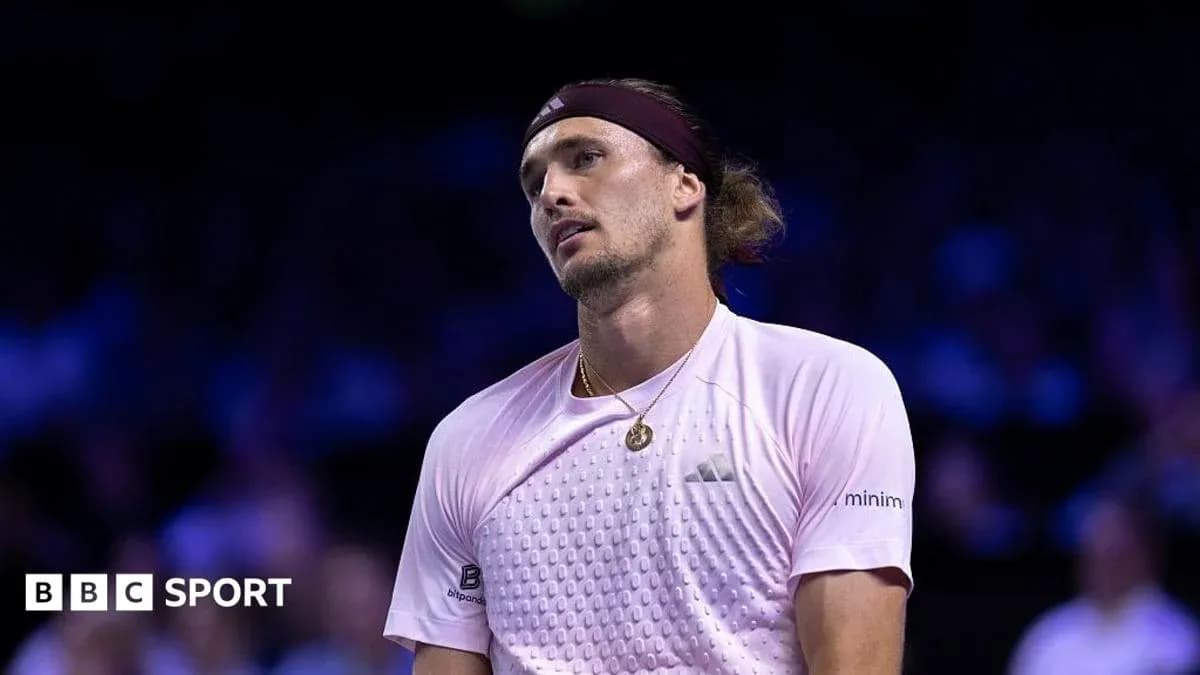
Sinner is the defending champion in Beijing. If he does not play, he loses 500 points automatically. Even if Alexander Zverev also sits out, the gap between them tightens.
Zverev has little to protect in Asia after a modest swing last year. In contrast to Sinner’s heavy load of points, the German walks into this stretch with room to grow. Given his form — two Majors already this season — he has every reason to attack Shanghai, where a deep run could slash Sinner’s lead even further.
That would crank up the pressure on Sinner once the tour moves indoors.
The Italian has a mountain of points to defend: titles in Vienna, Bercy, and the ATP Finals last year. Every skipped event now, every misstep later, becomes magnified. A dip in form or another physical issue could see his ranking erode quickly.
Zverev is not without his own obligations. He reached the final in Vienna and the semifinals in Paris last season, so he, too, will be defending substantial points indoors. But the dynamic is clear: Sinner is trying to hold, Zverev is trying to pounce.
There is also a psychological edge at play. Zverev has been notably restrained in celebrating his Grand Slam success this season, often pointing to the absences or limitations of Sinner and Carlos Alcaraz. Taking the No. 1 ranking off a fully fit Sinner, even if aided by the Italian’s scheduling, would carry its own statement.
Body vs. Crown
For Sinner, the decision cuts to the core of what kind of No. 1 he wants to be.
Does he chase every point and defend every title, risking another physical collapse in suffocating conditions? Or does he treat this season as a long game, sacrifice some short‑term ranking security, and build a body that can withstand the demands of a career spent at the top?
Skipping Asia would hurt in the standings and hand Zverev an opening he has been waiting for. But one more breakdown like Roland Garros, and the debate around Sinner shifts from “Can he dominate?” to “Can his body cope?”
The next entry on his schedule will answer that. And it may tell us as much about the future shape of men’s tennis as any trophy lift this year.