Assessing Jannik Sinner’s Knee Injury and Its Impact on His Future
Jannik Sinner has not taken part in any competitive tennis matches since his Wimbledon victory in July. His recovery now seems more complex than expected. Earlier this month, the Italian announced he would miss the remainder of the 2026 season due to ongoing inflammation in his right knee.
This means he will skip major events like the Paris Masters, ATP Finals, and won't defend his title in Turin. Yet, these missed tournaments seem less critical compared to what lies ahead in 2027.
Insights from Marco Panichi
Marco Panichi, Sinner’s former fitness coach who worked with Novak Djokovic for over six years, shared some concerns about the injury. In a conversation with Ubitennis, Panichi suggested that Sinner might be suffering from iliotibial band syndrome (ITBS).
If ITBS is the issue, Sinner could face a lengthy sidelining. But what exactly is ITBS, how long does it take to heal, and what does this mean for a top tennis player like Sinner?
Understanding Iliotibial Band Syndrome (ITBS)
The iliotibial band is a thick connective tissue running down the outer thigh, linking the hip area to the upper tibia. It helps stabilize the hip and knee during movement.
ITBS occurs when repeated stress irritates the outer knee, especially where the band crosses the lower femur. Though often linked to distance runners, tennis players are vulnerable due to frequent quick changes in direction, acceleration, and stopping—all essential in their sport.
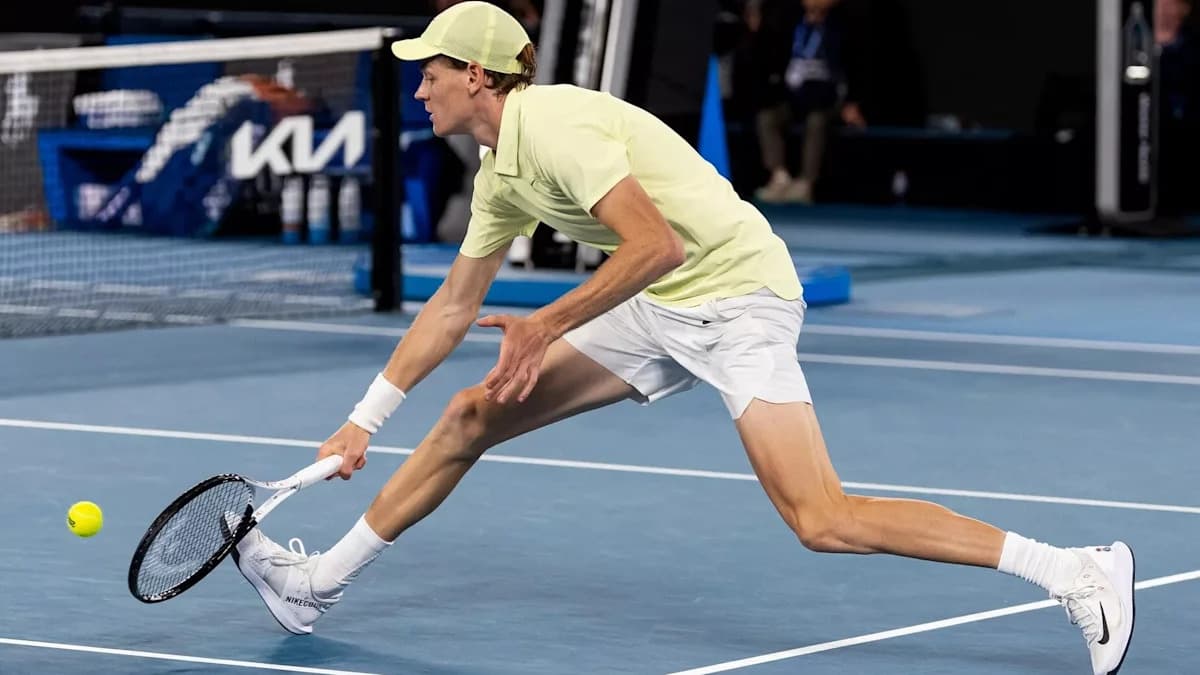
Sinner’s game relies heavily on swift lateral moves, fast recovery between shots, and maintaining balance during aggressive groundstrokes. Every extended rally puts significant strain on his knees.
Unlike typical muscle injuries that may improve simply with rest, an overuse injury like ITBS tends to flare up again when exposed to similar stress levels. This makes Panichi’s warning notable.
Recovery Timelines and Challenges
Surgery is uncommon for ITBS, but recovery isn’t always simple. The American Academy of Orthopaedic Surgeons states most patients resume running about six weeks after conservative treatment, though recovery time varies based on severity.
The Cleveland Clinic notes that 50% to 90% of patients feel better within four to eight weeks. Still, these figures don’t perfectly translate to elite athletes like Sinner who must endure intense, explosive activity for hours.
According to Sky Sport Italia, Sinner's symptoms began right after Wimbledon. He tried treatment and gradually increased training, only to have pain return before Shanghai. Multiple medical checks reportedly confirmed ITBS, although the public statement from Sinner’s team referred to it as general knee inflammation.
What Lies Ahead for Sinner in 2027?
There is hope. ITBS usually responds well to non-surgical treatments, including modifying activities, strengthening exercises, and carefully managed rehab. The goal is not just to ease pain but to enable the knee to handle intense activity without symptoms returning.
Recovery might take about 12 weeks, but that doesn’t mean total rest. Gradual physical work is key. Sinner’s team aims for an initial treatment phase of four to eight weeks before stepping up training intensity.
The Australian Open in January is the target, but returning to practice, competing in ATP matches, and facing seven best-of-five-set matches at a Grand Slam each present very different challenges. Even if Sinner can play in Melbourne, regaining his peak form immediately is uncertain.
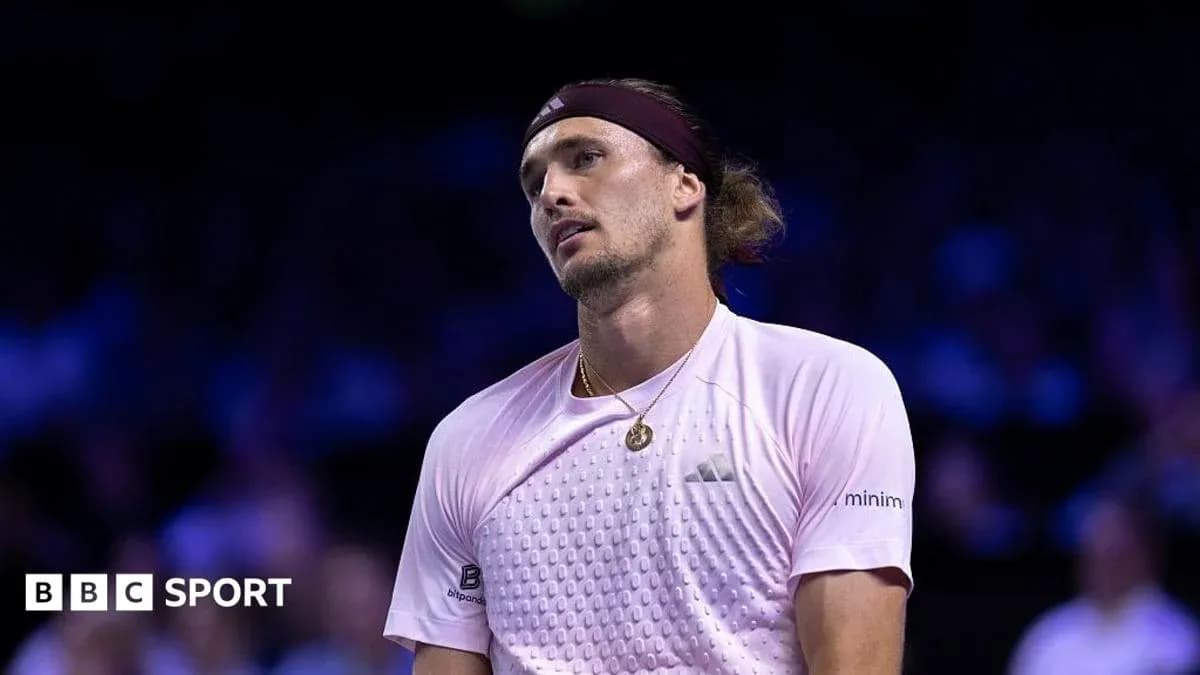
His absence already caused him to lose vital ranking points, with Alexander Zverev set to finish 2026 as world No. 1. Yet health outweighs rankings. Rushing back could worsen the injury and delay his return even further, which explains the decision to sit out the rest of the season.
Final Thoughts
Panichi’s caution is serious but should not be read as a threat to Sinner’s career. ITBS is generally treatable, and the lack of surgery recommendation is reassuring. Still, the length of his absence and recurring symptoms mean patience is needed. At 25, Sinner benefits more by prioritizing his long-term health over defending ranking points prematurely.
The Australian Open remains a reachable goal, though arriving fully ready is uncertain. For now, the main question isn’t when Sinner will play again, but when he can do so without worrying about his knee.