Kamara's Call for Respect: African Players in Transfer Chaos
Diomansy Kamara rarely bites his tongue. This time, he chose a megaphone.
As the transfer window slammed shut, two of his clients – Ismaila Sarr and Lamine Camara – saw dream moves collapse in the space of a few fraught hours. For Kamara, it was more than just late-window chaos. It was another example, he argued, of how African players are treated when the numbers start flying.
Liverpool’s winger plan unravels
Liverpool entered the summer with a clear idea: arm Andoni Iraola with firepower out wide.
Victor Munoz arrived early. Then came the statement move – Bradley Barcola from Paris Saint-Germain in a £123million deal, a marquee signing to energise the left flank and add instant threat.
But the right wing? That became a problem they never solved.
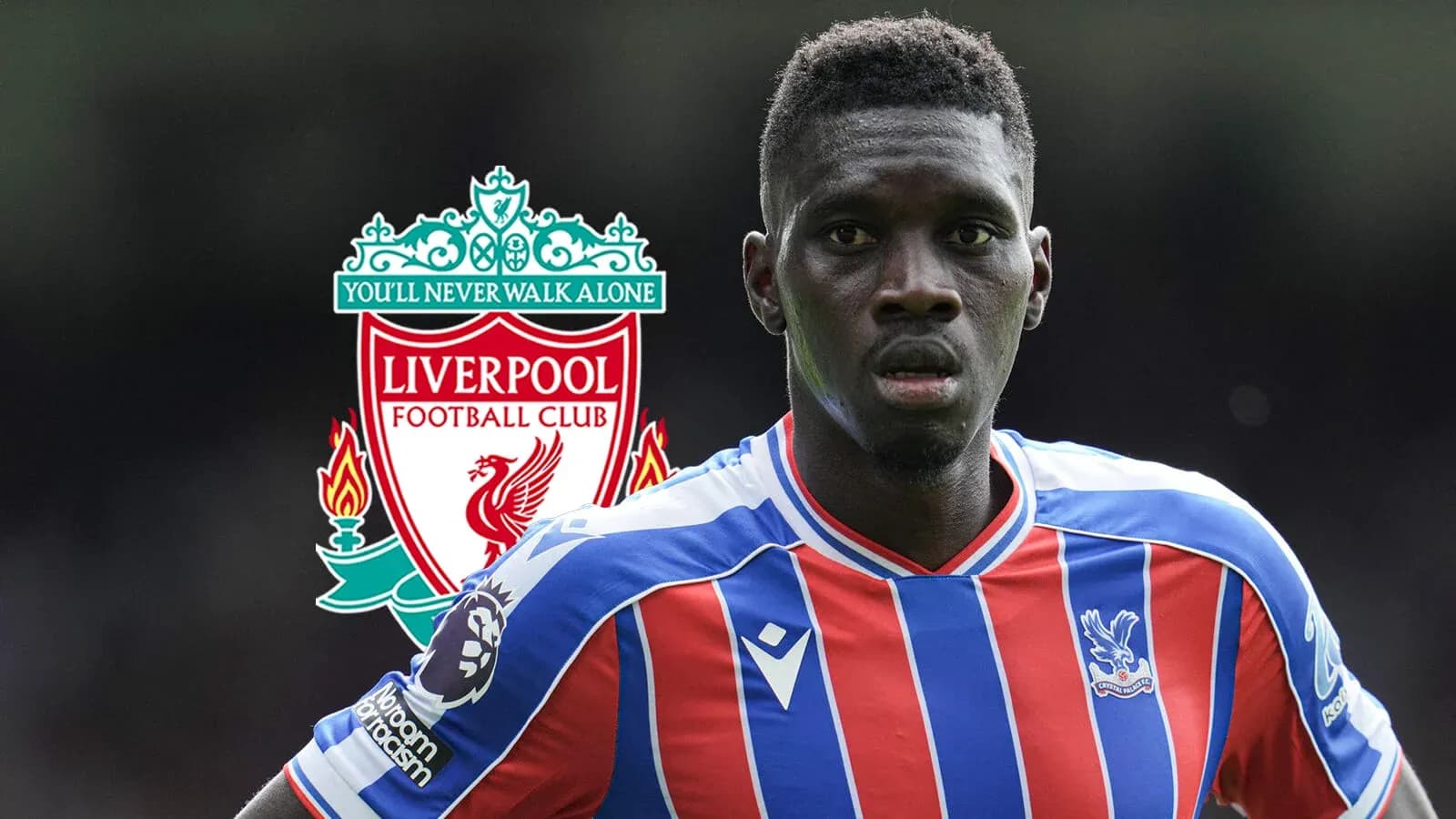
Liverpool walked away from another PSG product, Ibrahim Mbaye, deciding the price was too steep and watching Aston Villa snap him up for €55m (£47m). The search moved on quickly. Sarr, Crystal Palace’s explosive wide man, and Yankuba Minteh at Brighton emerged as the primary targets.
A £40m bid for Sarr went in. Palace said no. According to Fabrizio Romano, Liverpool even pushed as high as £50m, a figure disputed by other sources but indicative of how badly Iraola wanted a right-sided specialist.
Deadline day brought the final answer. Palace informed Liverpool that Sarr was going nowhere – not for £50m, not for more. The door to Anfield slammed shut in his face.
At the same time, another deal involving Kamara’s stable was collapsing. Monaco pulled the plug on Lamine Camara’s £47m move to Chelsea at the last moment. Two big moves, two late cancellations, the same agent watching players’ ambitions stall in boardrooms.
“Our African players deserve respect”
Kamara took his frustration public.
On social media, he used the Sarr and Camara sagas to fire a broader shot at how African footballers are handled in the market. He wrote that those cases “must all interrogate us” and condemned a “logic where the African player can sometimes give the feeling that he is just a commodity: you buy it, you set its price, you negotiate its future and, too often, your will seems to go to the background.”
Line by line, he laid out his argument. Respect for their work. Respect for their careers. Respect for their ambitions. Respect for their voices.
For Kamara, a transfer cannot be reduced to two clubs haggling over numbers. “Behind every contract, there’s a man, a career, dreams and life choices,” he insisted. Clubs may hold the final word in professional football, he accepted, but he posed the question that cut through the noise: what about the player’s career and will?
His demand was simple: the player must be heard and respected in decisions that define his future. He ended with a reminder often lost in the frenzy of fees and negotiations: “Behind every success, it’s the players who write history first.”
On this deadline day, he felt that history had been written without them.
Brighton stand firm, Liverpool left short
Liverpool’s frustration was not limited to Sarr.
At Brighton, they found another brick wall. The club rejected £50m and £60m offers for Minteh, holding firm on an £80m valuation that Liverpool ultimately refused to meet. The Reds briefly explored a late move for Stuttgart’s Jamie Leweling, but that idea evaporated before it ever became concrete.
By the time the window closed, Iraola had his blockbuster left winger in Barcola, but still no natural right-sided option to mirror him. The squad looked tilted, heavy on one side, light on the other.
Carragher: “I’m scratching my head”
From the outside, the doubts grew louder.
Jamie Carragher did not hide his concern when asked about Liverpool’s business. “I’m disappointed,” he admitted. “I’m not quite sure what we’re going to do on that right wing right now.”
He pointed to a squad that, in his view, lacks balance. Short at full-back. In need of another midfielder. Overloaded on the left wing. “We’ve got four left wingers; we haven’t got one right winger. Something like that just doesn’t feel right to me.”
Carragher’s criticism went deeper than simple squad symmetry. He looked at the broader picture: a club that won the league just over a year ago, has spent heavily since, yet no longer truly believes it can reclaim the title.
“We spent an awful lot of money since then,” he said, “and I don’t think anybody inside Liverpool or Liverpool supporters really believe we can win the league this season, or the manager’s got the tools to go and win the league this season, and that just doesn’t feel right.”
The numbers tell one story: huge fees, big names, a club still operating at the top end of the market. The reality on the pitch may tell another.
For Sarr and Camara, the story is more personal. For Kamara, it is political. For Liverpool, it is tactical and strategic. The window is closed now, the debates are not. The next few months will show whether this was a missed opportunity or the moment the season’s limitations were laid bare before a ball was truly kicked.