Kapil Dev's Quip Highlights India’s Asia Cup Trophy Standoff
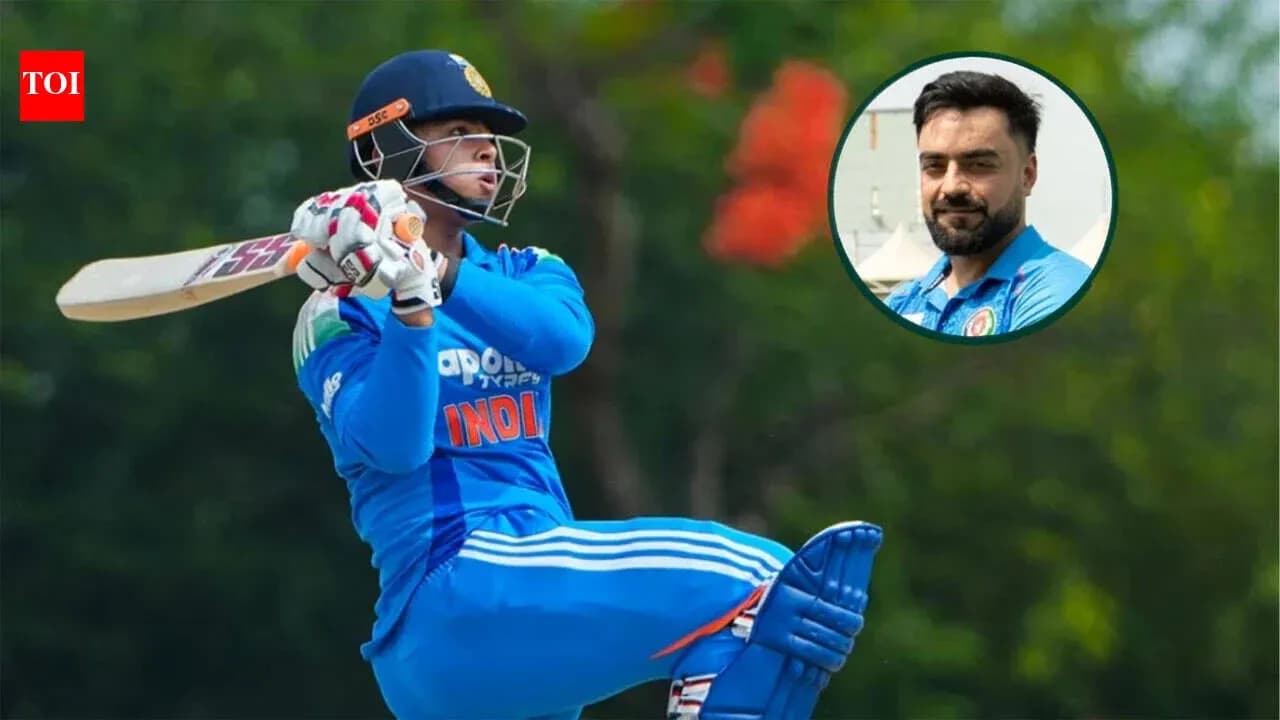
NEW DELHI: India’s women cricketers stood on the podium in Dubai on Sunday as eight-time Asia Cup champions. The medals were on, the smiles were out, the dominance over Sri Lanka sealed by 72 runs.
The trophy, though, stayed where it was.
In a repeat of a storm that first broke around the men’s team in 2025, India’s women declined to receive the Asia Cup trophy from Asian Cricket Council chief Mohsin Naqvi — who also serves as Pakistan’s interior minister and chairman of the Pakistan Cricket Board. The images of an empty protocol stage and a missing Indian contingent ricocheted across screens, and the debate roared back to life.
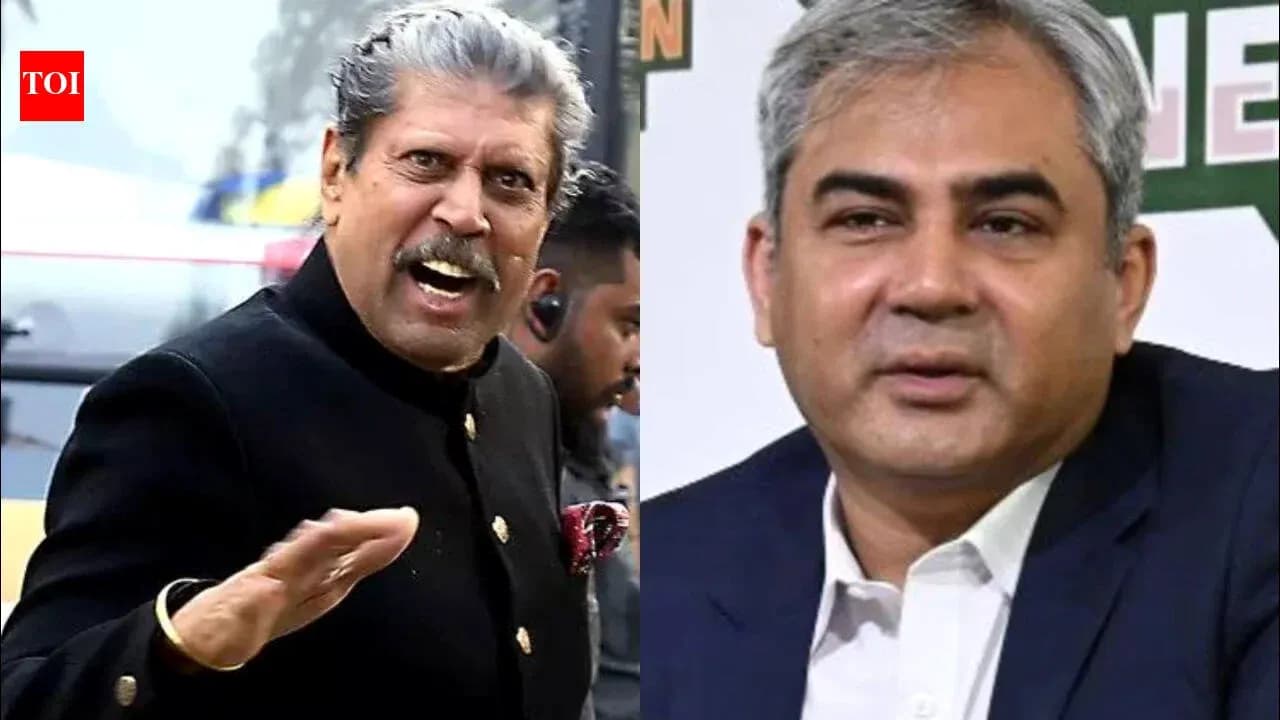
Into that noise stepped Kapil Dev, with the kind of dry, cutting humour that has followed him since his playing days. Asked about the team’s refusal to take the trophy from Naqvi, the former India captain didn’t launch into a lecture or a diplomatic tightrope walk.
“Tell all of them to play golf,” he told news agency ANI.
One line. No elaboration. Classic Kapil — a quip that sounded light, but carried enough sting to keep everyone guessing what, and whom, he really meant.
Echoes of the men’s Asia Cup
The scene had a familiar ring. A year earlier, Suryakumar Yadav’s India had lifted the men’s Asia Cup but also stayed away from a Naqvi-led presentation. That decision had already drawn a clear line between Indian cricket and the PCB chief’s presence on a ceremonial stage.
This time, the women’s team followed the same script. They completed the job on the field, then skipped the official trophy ceremony that involved Naqvi. The cup would be theirs, but not in the format the organisers had planned.
Inside the BCCI’s stance
If the images suggested a last-minute snub, the Board of Control for Cricket in India moved quickly to push back on that idea.
BCCI secretary Devajit Saikia stressed that this was not a flash reaction to something that happened at the venue. The board, he said, had already made its position crystal clear to the organisers before a single ribbon was cut.
“Winning the trophy is one thing, but winning the tournament is what truly matters,” Saikia told ANI, underlining that the controversy, in his view, did not originate from the Indian camp.
He linked the stand to what he described as a previously known issue around the Asian Games. That episode, he pointed out, had already been aired in front of “the entire nation,” and the board’s approach had not shifted since.
The message to the organisers, according to Saikia, was blunt: India would not participate in the ceremony if the prize distribution went ahead in the format that placed Naqvi at the centre of the handover.
“We maintained our position based on that context,” he said. “We had stated beforehand that we did not approve the manner in which they had planned the prize distribution ceremony. We informed their chairman that if they proceeded with that specific system, we would not participate. Since they did not agree, we chose not to accept the trophy in that manner; we will collect it later.”
No split in the camp
Whenever players step away from a formal ceremony, questions quickly follow: Was this a dressing-room revolt? A captain’s call? A quiet mutiny against the board?
Saikia moved to shut that door.
“This was entirely the BCCI’s decision,” he said, making it clear that the players had not freelanced their protest. “We had discussed everything internally, and the BCCI’s stance remains consistent with what it was previously.”
He underlined unity between board, team and officials. “Whether it concerns the players, the team, or the BCCI officials, we are all united; there is no divergence between the players’ decisions and the BCCI’s decisions. We act as one. Whatever decision is taken, we proceed in accordance with the BCCI’s established policies.”
So the picture that emerges is not of a rogue dressing room, but of a centrally decided, pre-communicated boycott of a specific ceremonial structure — and of a board willing to forgo the optics of a trophy lift to hold that line.
Cricket, ceremony and a pointed silence
On the field, India’s women did everything a champion side is supposed to do. They outplayed Sri Lanka, closed out the final with authority, and extended their grip on the Women’s Asia Cup with an eighth title.
Off it, they made their point without a speech, a banner or a press conference. They simply didn’t turn up.
Kapil Dev needed only seven words to cut through the layers of politics, protocol and policy: “Tell all of them to play golf.” The board, in contrast, laid out the institutional reasoning, anchored in past precedent and a declared policy.
Between that sharp one-liner and the BCCI’s hard line, one question now hangs over the next multi-nation event in the region: if the trophies keep coming, but the hand that offers them does not change, how many more times will India choose the win and walk away from the stage?