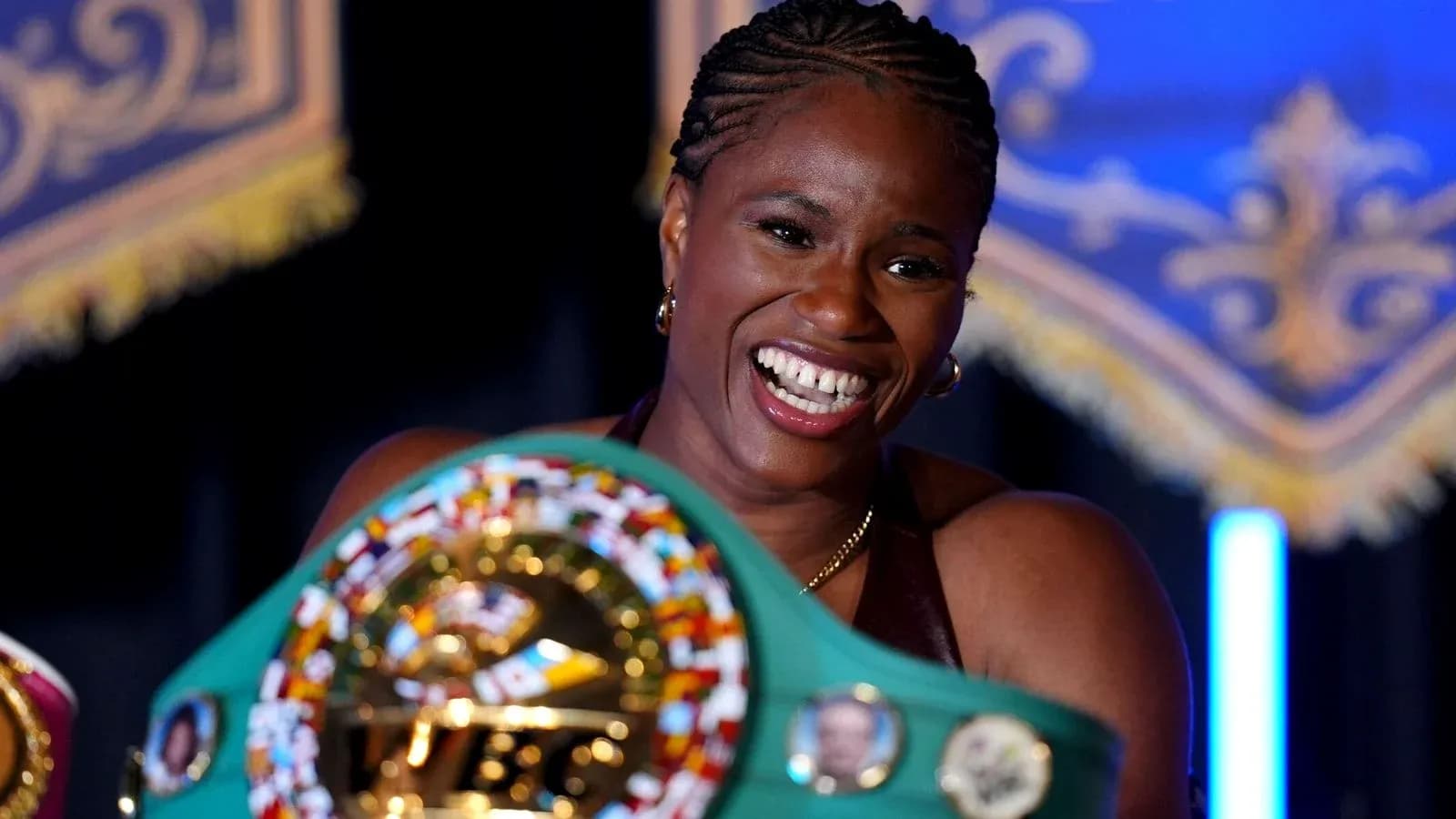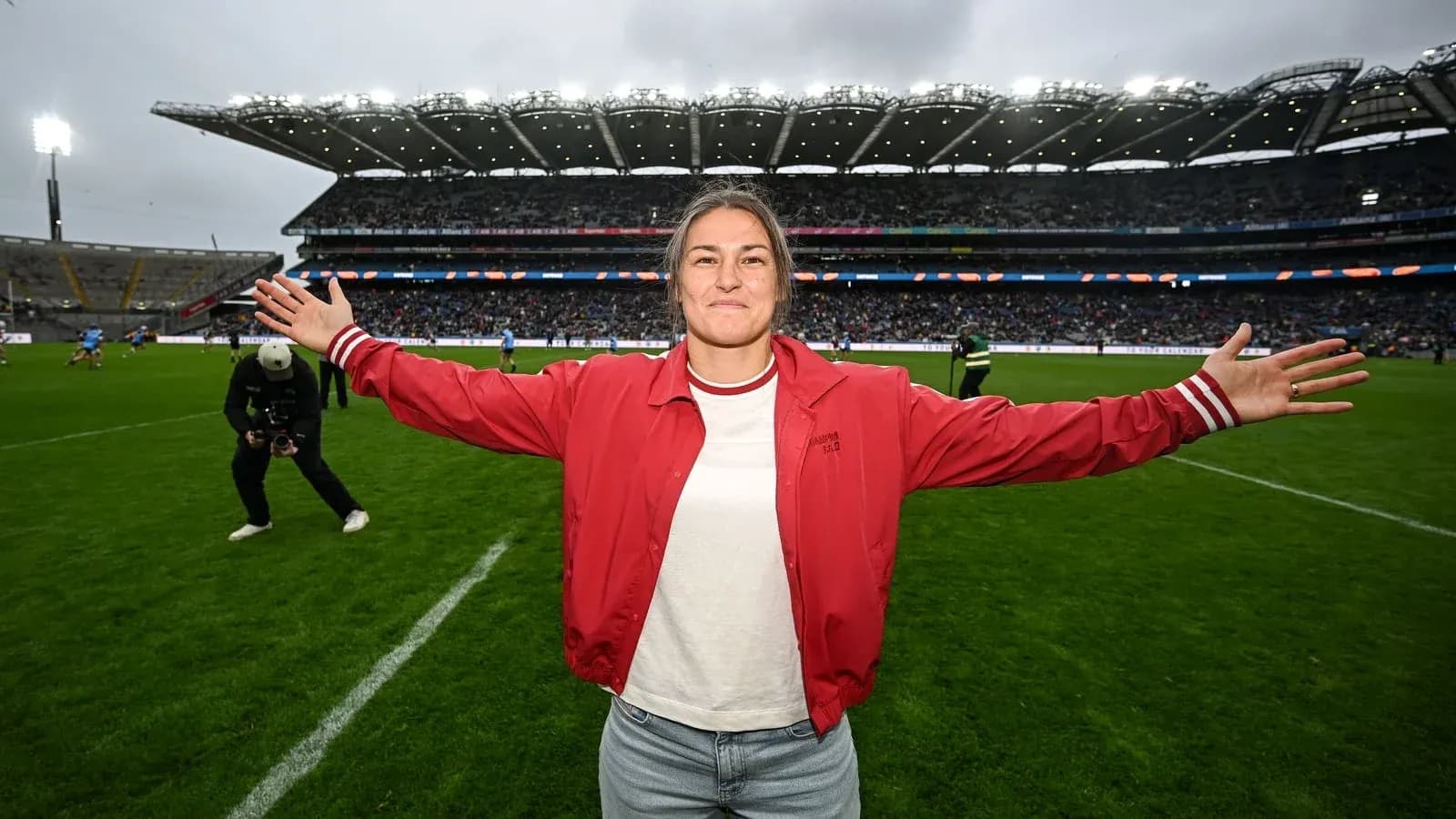
Katie Taylor’s Historic Homecoming at Croke Park
Eddie Hearn strode to the microphone in Croke Park last June and did what he usually does: filled the room with noise.
"It's not often I'm lost for words," he began, before launching into a nine‑minute sales pitch for Taylor-Pili. Then he reached for history.
"The last person to fight at this incredible stadium? Mohammad Ali."
It was a good line. It was also wrong.
Ali did fight in Croke Park, yes. But he did not close the book on boxing there. Nor was he treated like a mere headliner. When he came to Dublin to face Al “Blue” Lewis in July 1972, he moved through the city like a visiting head of state.
He was mobbed at Leinster House. He met Taoiseach Jack Lynch in private. He sat down for a long, televised interview with Cathal O’Shannon that would pass into Irish broadcasting folklore. Eddie Keher, Kilkenny royalty, showed him how to swing a hurl.
Ali had his own priorities too. He was determined to meet Bernadette Devlin. They lunched on the day of the fight and spoke about politics, a subject on which they found themselves perfectly aligned. It was a heavyweight summit of a very different kind.
For Hearn, the whole episode might have served as a warning from the past.
Only 18,000 people turned up to see Ali box Lewis in Croke Park. A sizeable chunk got in for nothing. The night bled money for the promoter, Michael “Butty” Sugrue, the Killorglin publican and former “Ireland’s Strongest Man” from his days with Duffy’s Circus.
GAA director general Seán Ó Siocháin publicly rebuked Sugrue for ticket prices he felt were too steep. Writer Dave Hannigan, in his book The Big Fight: When Ali Conquered Ireland, argued that Ali had become too accessible, too visible in Dublin. The sense of occasion leaked away with every handshake and photo.
All of this unfolded long before the GAA loosened Rule 42, the much‑misunderstood regulation that, in the popular imagination, banned “foreign sports” from Croke Park. It did nothing of the sort on paper. Officially, it blocked horse racing, greyhound racing and “field games other than those sanctioned by Central Council.”
In practice, that meant the British codes. The ones everyone knows. Yet even under that regime, Croke Park still staged four American football games and a couple of baseball fixtures in the late 1940s. The walls were never quite as high as the myth suggests.
The real shift came in 2005. Delegates at Congress finally agreed to lift the rule, at least on a temporary basis, with the redevelopment of Lansdowne Road looming and the grim prospect of Ireland playing “home” soccer matches at Anfield concentrating minds. Ecumenism arrived in the nick of time.
It had been close before. In 2001, a previous effort to scrap Rule 42 fell just two votes short of the required two‑thirds majority. President Sean McCague, a traditionalist by instinct, rejected all pleas for a recount. The door stayed shut for a few more years.
Now, that world feels distant. Katie Taylor will walk into a very different Croke Park from the one Ali knew 54 years ago. The old fortress has become a multi‑purpose arena, a money‑making machine and a national stage for everything from Springsteen to soccer.
The irony is rich. Croke Park was first opened to “foreign” teams in the 2000s as a stop‑gap, a rescue plan to prevent the embarrassment of Ireland’s soccer and rugby sides playing competitive games abroad. This summer, it casually hosted a pre‑season friendly between Manchester United and Leeds United – and that game now stands as the best‑attended soccer match in the history of the island.
GAA President Jarlath Burns turned up in his official capacity, relaxed, open about the fact he has no emotional stake in either club. He supports Arsenal. That alone marks a cultural shift.
Compare that with John Downing in the late 1980s. The then‑president told a Sunday newspaper he wouldn’t be watching Ireland play England at Euro ’88 in Stuttgart. He planned to mow the lawn instead. That was the tone from the top.
Today, the grumbling comes from different corners. In 2026, the United–Leeds fixture at Croker stirred more anger among League of Ireland ultras than among GAA loyalists, though there was still some unease within the association.
Pat Gilroy voiced it bluntly in the Irish Times, saying he had taken to calling Croke Park “Ceasar’s Palace because it’s just a revenue generator. And that’s not Peter McKenna’s fault. He’s doing a great job but he’s doing it with the hand he’s dealt, which is ‘we need more money’.”
McKenna, Croke Park’s commercial supremo, is unapologetic. He talks with genuine enthusiasm about bringing in more Premier League clubs for pre‑season friendlies. He has even floated the idea of Croke Park as a Champions League final venue.
The financial logic is obvious. The GAA’s 2024 annual review showed a 19% jump in overall revenue, driven heavily by a packed summer at Croke Park. Stadium income soared by 60% despite a drop in match‑day attendances compared with the previous year.
The key difference? Concerts. Seven of them in 2024: Bruce Springsteen, AC/DC twice, and Coldplay across four nights. In 2023 there were none, unless you stretch the definition to include the Mary Wallopers as the warm‑up act on All‑Ireland hurling final day.
Opponents of the split season have seized on this. They point at the concert calendar and claim it is the real engine behind the new GAA schedule, an easy symbol to rally against compared with the more mundane reality of club players wanting certainty about when their championships will start.
Yet when it came to tweaking the calendar, it was the GAA hierarchy, not the grassroots, who pushed a compromise: a motion to nudge the All‑Ireland finals into August. By the eve of Congress, that proposal looked so doomed it was withdrawn before delegates even had the chance to vote it down.
The result? Croke Park – or “Ceasar’s Palace”, if you share Gilroy’s view – remains wide open for musical heavyweights, Premier League giants and boxing extravaganzas throughout August and into early September.
Katie Taylor’s long‑delayed homecoming lands right in the middle of that window, on a weekend heavy with symbolism for the GAA.
Traditionally, the first Sunday in September belonged to hurling. It was All‑Ireland final day, bar a run between 1997 and 2005 and again in 2012–13 when the decider moved to the second Sunday. For generations, it was the date that pulled the country towards Jones’s Road.
From the traditionalist’s vantage point, this Saturday should have been about Galway and Limerick fans descending on Dublin, filling its pubs on the eve of the final. A night for Daithí and Jacquí to sit down with Joe Connolly and Joe McKenna and revisit the 1980 All‑Ireland, the old stories told one more time.
Instead, the stadium belongs to a different kind of champion.
Even the most die‑hard GAA loyalist will struggle to begrudge Taylor her moment. She is not just another visiting act. She is a national icon who has made no secret of what this arena means to her. Back in June, she was clear: the Aviva Stadium would never have been enough. If that was the only option, she would have walked away.
It was Croke Park or nothing. And now, on a weekend that once belonged solely to hurling, the biggest Irish boxer of her generation steps into the same arena Ali lit up, in a stadium that has finally grown into the vast, complicated stage she always imagined.