Kei Nishikori's Final US Open Qualifying Match as Sakamoto Emerges
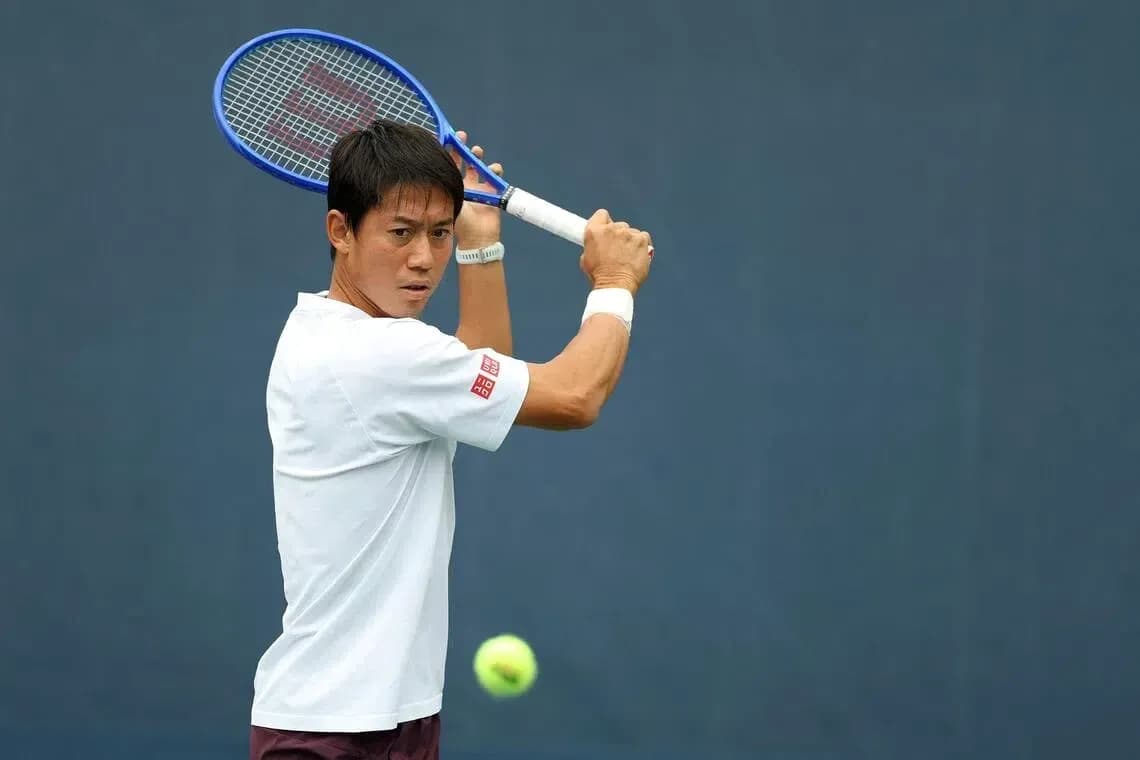
Kei Nishikori walked off Louis Armstrong’s outer courts for the last time at a Grand Slam with no roar, no grand stage, no five-set epic. Just a quiet New York evening, a brisk 6-4, 7-6 (7-3) defeat to a countryman 16 years his junior, and the feeling that the torch had finally, definitively, been passed.
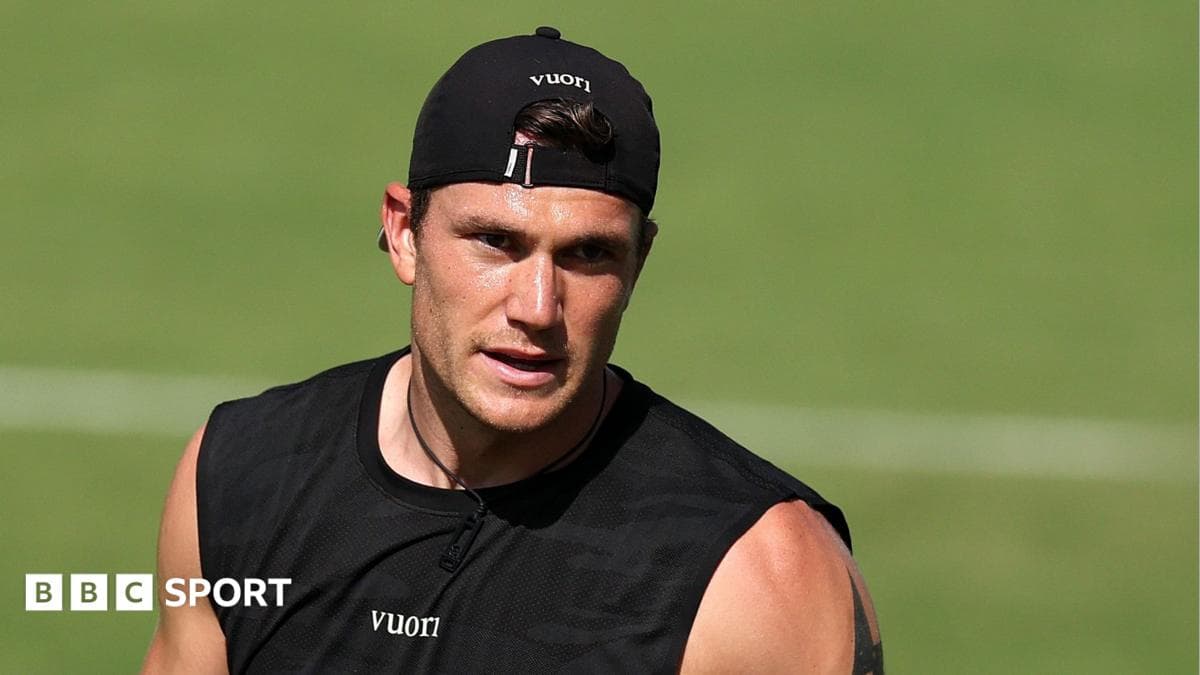
The 36-year-old, playing what he has said will be his final season on tour, fell one win short of the US Open main draw on Thursday, beaten by 20-year-old Rei Sakamoto in the third round of qualifying at Flushing Meadows.
It was Sakamoto’s 19th ace that closed the door on Nishikori’s last shot at a Grand Slam main draw. Nishikori, once the most electric shot-maker in men’s tennis, did not hit a single ace all match.
“It’s a refreshing emotion, as if he totally blew out the last flame of a candle,” Nishikori said afterward, trying to put words to the strange mix of loss and acceptance.
The first Asian man ever to reach a Grand Slam singles final — here in New York in 2014 — Nishikori arrived at this US Open on a qualifying wild card, ranked far from the heights that once made him world No. 4. The body that carried him through almost 20 years on tour has been battered, especially since left hip surgery in January 2022. The hand speed and timing are still there in flashes; the legs no longer always follow.
For a few early games, though, memory took over. Nishikori broke first and jumped out to a 2-0 lead, the familiar clean backhand and early ball-striking unsettling the younger man. Then the match flipped.
Sakamoto settled, found his rhythm on serve and began to swing freely. The world No. 157 broke back, then broke again, taking the first set as his first-strike game began to pin Nishikori behind the baseline. The veteran’s returns, once his great equaliser, could not neutralise the pace.
“I felt I wasn’t able to cope once the level went up slightly,” Nishikori admitted.
The second set became a serving contest. Both men held, game after game, Nishikori probing, Sakamoto answering with more weight, more height, more heat on the delivery. When the tiebreak arrived, the younger man pounced.
Sakamoto raced to a 6-1 lead in the breaker, hammering serves, stepping in on the first ball, refusing to let Nishikori drag him into longer exchanges. After 1 hour 42 minutes, the result was sealed and the handshake carried more than just a routine qualifying upset.
Across the match, Sakamoto struck 33 winners to Nishikori’s 14, a blunt statistical line that underlined the changing of the guard. Where Nishikori once played the fearless aggressor against the sport’s giants, he now found himself absorbing the blows from the next Japanese hope.
“My serves were really good, and I also managed to play aggressively,” Sakamoto said. “I hope to become a player on par with Kei.”
Nishikori did not bristle at the idea. He embraced it.
“Not happy to lose today, but I mean I’m happy for Rei, he’s the next Japanese top player so I hope he can make the top 10 soon,” he said. “It was a great week for me. I was really enjoying it.”
That enjoyment, he made clear, stretches beyond this one run in New York.
“I really enjoyed my entire tennis life,” Nishikori said. “It was almost 20 years with the pros and especially here I had great memories, one time final, semis, many great matches I played here in New York so happy to play in the last moment.”
Those memories are carved into this tournament: the 2014 final run, the 2016 Rio de Janeiro Olympics bronze medal that confirmed his standing as one of Japan’s greatest athletes, the repeated deep second-week appearances that turned him into a fixture under the New York lights.
This time, there were no lights, just a qualifying court and a young man serving bombs.
Sakamoto, “happy” simply to reach the main draw starting on Aug 30, will now carry Japanese hopes into the US Open proper. Nishikori, who had originally been slated to play mixed doubles here with Naomi Osaka but withdrew, will turn his attention to what remains of his farewell season. He is scheduled to compete at the Japan Open in late September in Tokyo.
New York has seen him at his peak, his most resilient, his most thrilling. On this day, it saw something quieter but no less significant: a great career narrowing to its final chapters, and the next Japanese contender walking through the door he opened.