Kimi Antonelli's Historic Win at Monza
Kimi Antonelli arrived at the grid as a footnote. He left Monza as a legend in the making.
Nineteenth on the grid at his home Grand Prix, boxed in at the back with little more than hope and horsepower, the 20-year-old Italian somehow threaded his way through chaos, strategy gambles and team tension to win at the Temple of Speed. On a circuit that has broken so many Italian hearts, he delivered the first home victory for an Italian driver since Ludovico Scarfiotti in 1966.
The wait was 60 years. The release was visceral.
By the time Antonelli took the chequered flag, just ahead of his Mercedes teammate and chief rival George Russell, the Autodromo Nazionale Monza had turned into a cauldron. Flags waved, flares smoked, and the noise hit the kind of volume that makes your ribs vibrate. On commentary, David Croft captured the moment with a line that felt less like hyperbole and more like understatement: “You can’t script things like that.”
You really couldn’t.
From 19th to history
To understand the scale of Antonelli’s charge, you have to go back four decades. Only John Watson, who stormed from 22nd to victory at the 1983 United States Grand Prix, has ever won from further back. That is the territory Antonelli just stepped into.
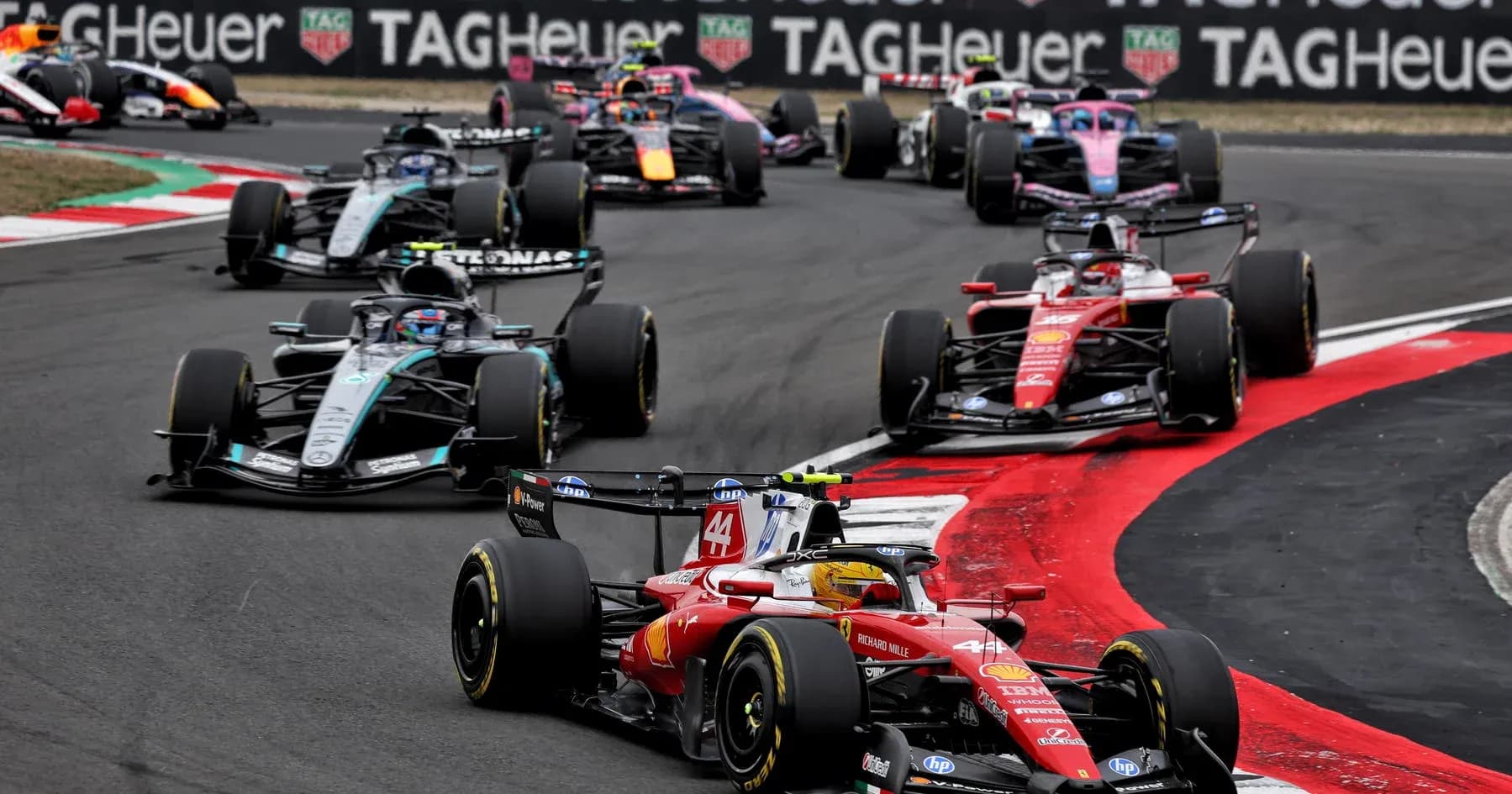
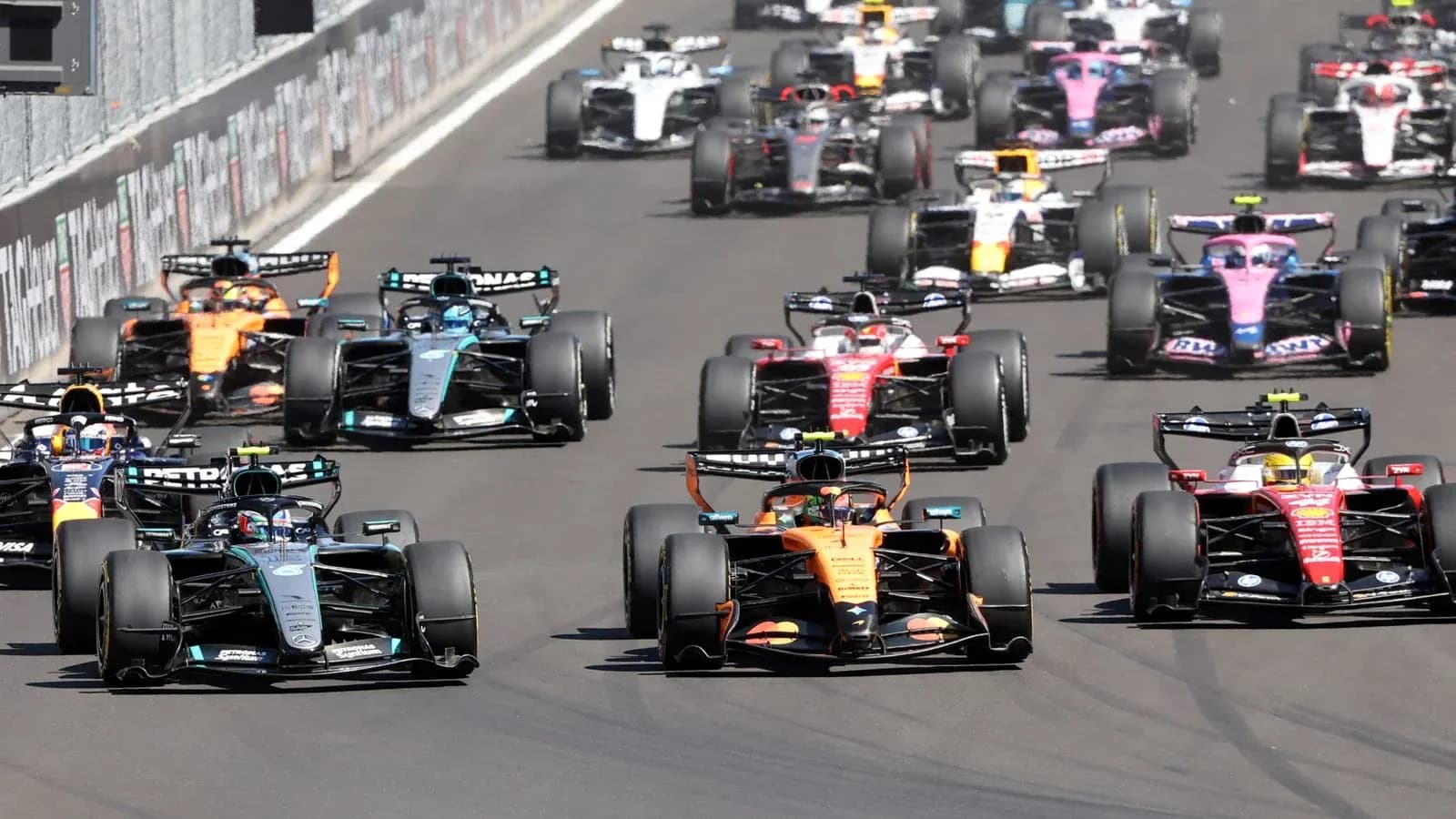
Monza, with its 5.793km of flat-out straights and heavy braking zones, offers chances to overtake that other circuits can only dream of. Turn 1 and 2, that brutal opening chicane after the long start-finish straight, often decide the tone of a race. On Sunday, they helped rip the script apart.
Pierre Gasly, on his maiden pole, had hoped to rekindle the magic of his shock Monza win six years ago. That day remains his only F1 victory. This time, the fairytale never really got going. Gasly simply didn’t have the pace to live with the Mercedes, and Russell quickly took control, easing into a lead that, for a long stretch, looked unassailable.
Then came the crash that changed everything.
Leclerc’s shunt and a reset
In the opening laps, Charles Leclerc lost the rear and slammed violently into the barriers. It was the kind of impact that silences even the loudest crowd. Ferrari’s tifosi went from delirium to disbelief in an instant, watching one of their own climb from the wreckage as marshals and medics rushed in.
The damage to the barriers forced a 30-minute delay. The red sea in the grandstands simmered, stunned. On the pit wall, strategists recalculated on the fly.
For Antonelli, it was a lifeline. The stoppage bunched up the field and gave him a platform to attack. For Oscar Piastri, it opened a door to a podium that had seemed distant at lights out. The race restarted with new energy, a reset that turned what looked like Russell’s procession into a tactical knife fight.
Mercedes gamble, Mercedes heartbreak
Once the race settled again, the two silver cars at the front became locked in a private duel. Russell, the established hand, versus Antonelli, the rising star with nothing to lose. Lap after lap they traded sector times, the gap stretching and shrinking as they sliced through traffic.
The turning point arrived not in a blaze of wheel-to-wheel combat, but in a blink of strategic risk.
Lance Stroll triggered a virtual safety car. In those few controlled laps, Mercedes split their approach. Antonelli dived into the pits. Russell stayed out.
It was a bold call. It also left Russell exposed.
On fresher tyres, Antonelli began to reel in his teammate. What had looked like a comfortable cushion evaporated. The see-saw battle tilted decisively. In the final three laps, Russell’s lead – and his hopes of an “easy” Monza win – vanished under the pressure of a charging car with the same badge on the nose.
Russell spoke politely afterwards, but the surprise at the pit wall decision leaked through.
“I thought we were both going to stay out, I was surprised to see him pitting,” he admitted. “In the end, it was a roll of the dice both ways.”
This time, the dice fell for Antonelli.
Tears at the Temple of Speed
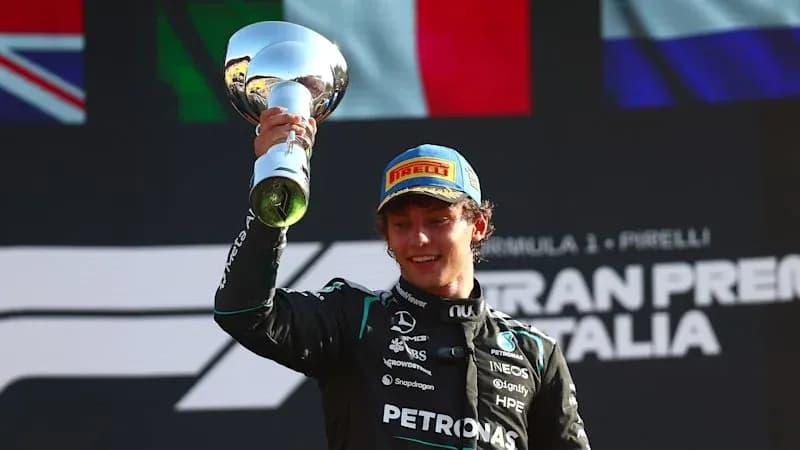
On the podium, with the Italian anthem echoing around a track built on Ferrari mythology, it was a Mercedes rookie who stood at the top. Antonelli wiped tears from his eyes, struggling to process what he had just done in front of his home crowd.
“Unbelievable. I am so happy. I could never have imagined to be here today. We managed to pull it off, and I am really happy,” he said, still sounding more like a fan who had snuck into parc fermé than the man who had just won from 19th.
Down below, the grandstands didn’t care about the colour of the car. They cared that one of their own had conquered Monza.
Verstappen claws back, Piastri left wanting
Behind the Mercedes drama, Max Verstappen fought his own bruising battle. The reigning benchmark of the grid had to scrap hard to prise third away from Oscar Piastri, in a duel that swung back and forth before Verstappen finally imposed himself.
Piastri had every right to believe this was his day to return to the rostrum. His last podium came back in May at the Miami Grand Prix, another afternoon when he showed he can live at the sharp end. At Monza, he ran in contention again, only to see Verstappen edge him out and, cruelly, his own teammate deny him even fourth.
The McLaren garage winced as Lando Norris and Piastri went wheel-to-wheel. Norris launched an overtake, Piastri held his line, and for a heartbeat the papaya cars looked destined to collide.
“He pushed me off track,” Norris snapped over the radio. “That was dangerous.”
McLaren’s engineers quickly jumped in, reminding Piastri to keep it “clean racing.” The message was clear: fight, but don’t throw it away. In the end, Norris slipped past in the dying seconds of the final lap, snatching fourth and dropping Piastri to fifth.
For the Australian, the frustration was obvious. The podium he craves so badly will have to wait.
A grid split between joy and regret
When the engines finally cooled, the F1 grid felt like a study in contrasts.
On one side, Antonelli’s joy – raw, overwhelming, almost disbelieving. An Italian kid, winning in Monza, from 19th, against his own teammate. It is the kind of story that lodges in a nation’s sporting memory.
On another, Russell’s quiet horror. He had controlled the race, led the laps, done almost everything right, only to watch a strategic roll of the dice turn him into a sitting duck in the final laps.
Then there was Piastri, staring at a fifth place that felt like a loss rather than a gain, knowing how close he had come to more.
Up front, though, there was no doubt. The Temple of Speed has a new patron. The question now is whether Monza was the birth of a one-off miracle, or the first clear sign that F1’s next great Italian storyline has finally arrived.