The Laver Cup: Tennis' Bold Team Competition
Tennis has never been short on history. What it has lacked, for decades, is a taste for risk.
In 2017, that finally changed.
A Ryder Cup for the baseline age
The Laver Cup arrived seven years ago with an audacious promise: give tennis its own Ryder Cup. Not another exhibition, not a charity hit-and-giggle, but a three‑day team event with real stakes and real stars.
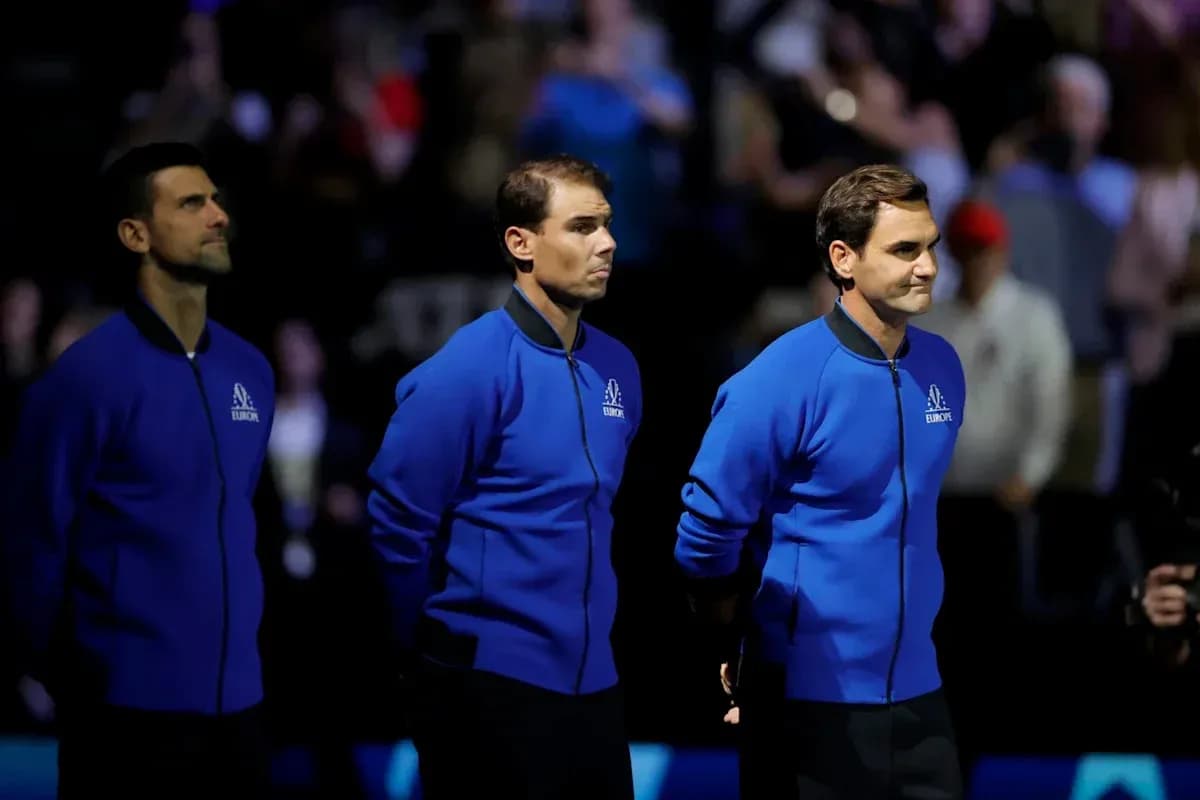
Co-created by Roger Federer, the format was simple and bold. Six players from Europe. Six from the rest of the world. Singles and doubles across three days. Team Europe vs Team World. A scoreboard, a trophy, and, crucially, pride on the line.
Next week, the ninth edition gets underway. Slowly, almost stubbornly, the Laver Cup has been building a reputation that outgrows the label it has been fighting since day one.
Exhibition or event with edge?
The resistance has been loud. A chunk of the tennis public still refuses to see it as anything more than a glossy showpiece, no matter who turns up or how hard they compete.
The criticism has come from inside the locker room too. Former French pro Julien Benneteau did not bother with diplomacy when he spoke on the Grandes Gueules du Sport podcast earlier this year. He said the Laver Cup had “no sporting value” and claimed players were there for one reason only: “The players are only participating because the cheque is huge.”
The numbers are not small. The 2026 edition carries a total prize pot of $1.5 million. Each player on the winning side collects $250,000. The losers get nothing.
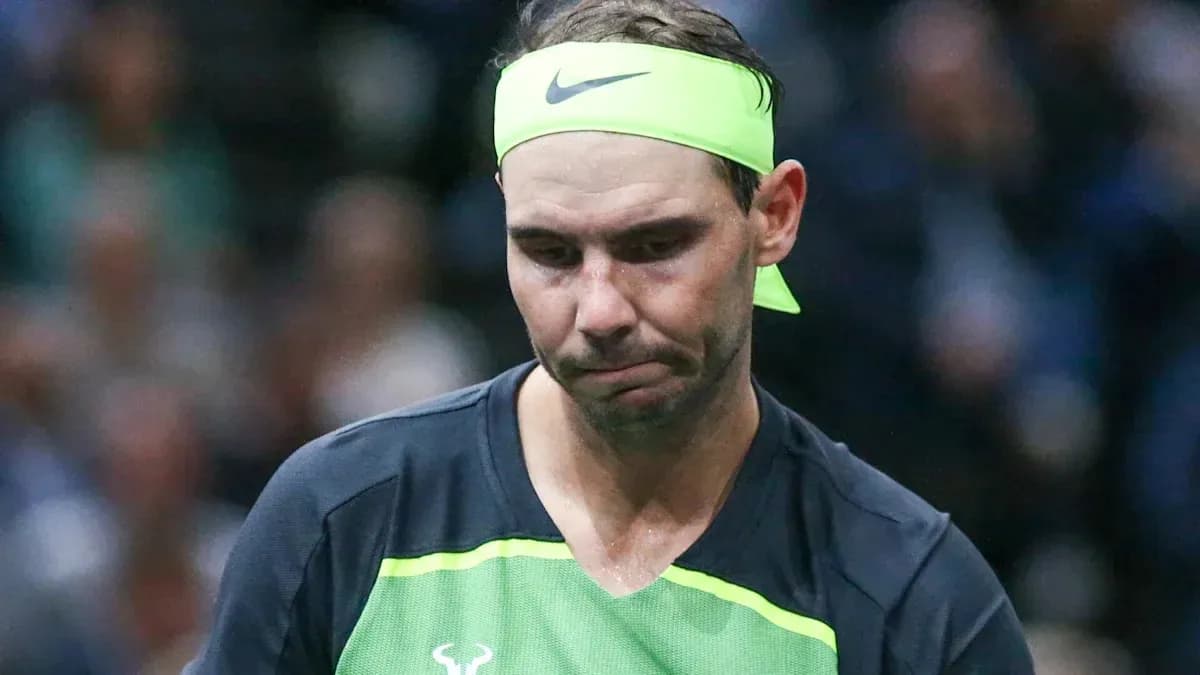
Money talks in modern sport. But from the first serve in 2017, Federer and Rafael Nadal pushed back hard at the idea that this was just an expensive exhibition dressed up in team colours.
Nadal’s 4 a.m. answer
On the eve of that inaugural Laver Cup, both men were pressed on the event’s seriousness. Was this really competition, or just a Federer-branded festival?
Nadal did not hedge.
“No, is not an exhibition at all. No, no, I don't think,” he said when asked directly. “No, we are here to try our best, no? I woke up today at 4:00 in the morning to practice. An exhibition match, I don't practice before an exhibition match normally, no.
“We are here to try our best. We are here to try to win. Not at all like a friendly match, no? We are here to really play with passion and to play for our continent.
“We have a great team behind us. We want to do it well for all of them. Let's see if we are able to do it.”
Those words set the tone. Team Europe then backed them up on court, beating Team World 15–9 to claim the first Laver Cup and give the concept early credibility.
What lit the fuse for Federer
For Federer, the idea was never just about format. It was about emotion. Asked that same day how important it was to recreate something like the Ryder Cup’s passion, he did not hesitate.
“Well, I think it's going to be vital,” he said. “That's why I'm very excited to see that the guys all arrived a day early.
You know, they were supposed to arrive on Wednesday. They all came in on Tuesday. Everybody seems really eager to play, to win.
“But of course we have to give it the passion and the energy. Without that, the fans are just going to sit there and maybe enjoy some tennis, but they're not going to get into it.
“I hope that while we are playing on home soil, the fans are going to understand how much we need their support and how lovely it would be if everybody got really excited and make this event something very unique and special for years to come. But it's clearly crucial.”
That was the real experiment in 2017: could a sport built on solitary battles and personal brands suddenly feel like a team game that mattered?
Year nine, same question
The Laver Cup has survived long enough to move past novelty status. It still draws elite names. It still leans on big atmospheres and bench celebrations. It still divides opinion.
For some, Benneteau’s verdict will always ring true: big cheques, low stakes. For others, Nadal’s 4 a.m. practice session and Federer’s obsession with passion tell a different story.
On 25 September 2026, when the ninth Laver Cup begins, that argument will flare up again.
By then, the only question that will really matter is the one the event has been asking since day one: in a sport built on tradition, can a made-for-modern-era team competition ever truly feel like it belongs?