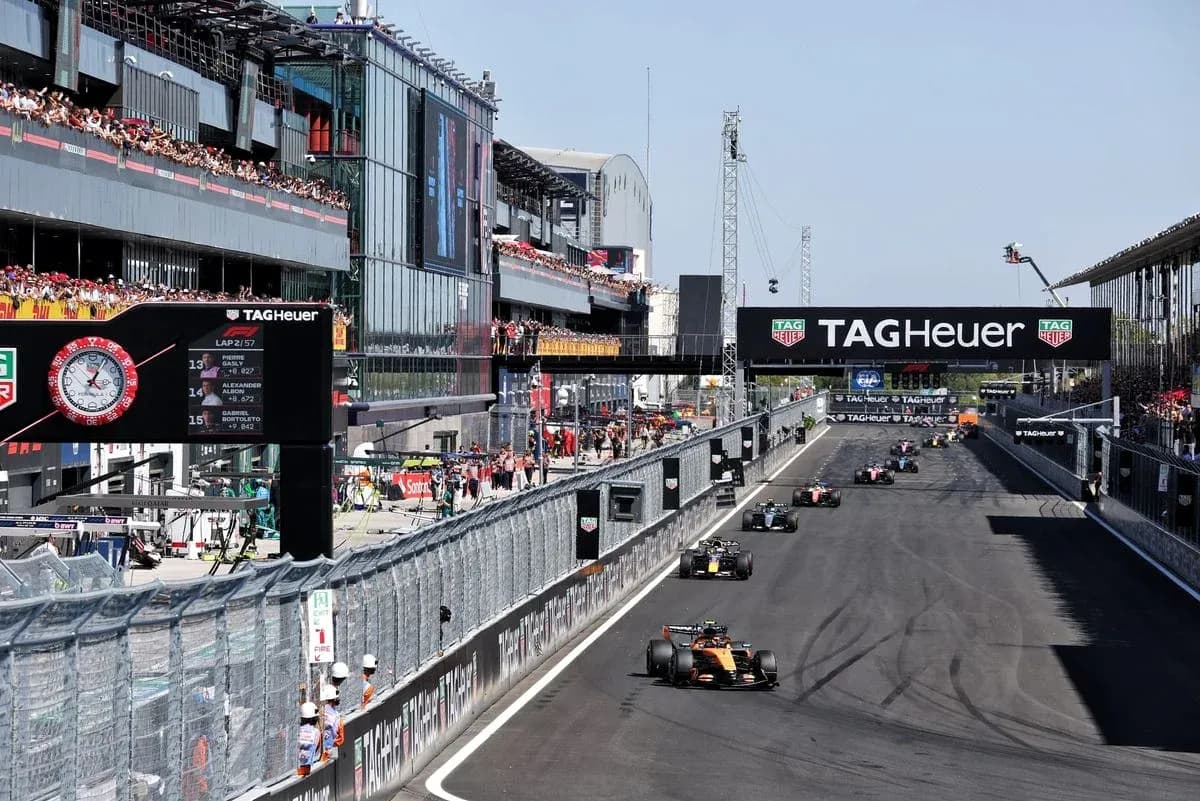
Madrid F1 Debut: A Familiar Problem Unfolds
Madrid’s big F1 debut was sold as a glimpse of the future. What it actually delivered was a very familiar problem.
A glittering new venue, a packed crowd, a layout that looked spectacular on a quali lap – and a grand prix that never really got out of second gear.
A blank sheet, badly used
In 2026, it feels absurd that a brand-new Formula 1 circuit can still be signed off without a clear, reliable overtaking spot.
Madrid’s layout, the much-hyped “Madring”, works as a time-trial playground. One lap, low fuel, soft tyres – the drivers can dance with the walls and it looks fantastic. The junior formulas proved that if you throw enough cars and chaos at it, you’ll get some drama.
But for F1 on Sunday, the design simply didn’t give the race a chance.
The new-track “blank sheet” has been used to create a technical, flowing challenge, not a wheel-to-wheel arena. Narrow in the wrong places, busy under braking where it should be clean, and with precious few points where a driver can commit to a move without juggling steering and pedal pressure at the same time.
You can build the most glamorous event in the world – big crowds, slick transport, photogenic skyline, the lot. If the circuit doesn’t let faster cars race slower ones, the show dies on the tarmac. Madrid proved that the hard way.
Tradition of the wrong kind
This isn’t a one-off misstep. It fits a pattern.
Once again, F1 rocks up to a new venue and finds that overtaking is almost impossible. That takes effort. You almost have to try to miss the mark this often.
From the cockpit, this place looks fun. Drivers were positive about the rhythm and the commitment it demanded. It also dodged the predicted crashfest; the walls are close but it never turned into demolition derby weekend.
When things did go wrong, though, the weaknesses off the racing line were exposed. Ollie Bearman’s FP3 shunt underlined how long it takes to reset the Tecpro barriers. The car disappeared quickly. The repairs did not. Watching a couple of marshals wrestle with a system designed to absorb the hit of a 900kg F1 car at speed was unintentionally comic, and painfully slow.
Then came race day and another familiar F1 lottery: the timing of the VSC and safety car.
Lando Norris had done the hard work. Pace in hand, a car that should have been able to carve through. Yet Lance Stroll’s off and the resulting VSC swung the race away from him. That’s not new, and it’s not uniquely Madrid’s fault, but this track exposed just how much the current rules can warp a result.
The fix is not complicated. The will to change it seems to be.
A missed opportunity in plain sight
Strip away the frustration and the Madring is only a few decisions away from being genuinely good.
Make the street course wider where it matters, not where it’s convenient. Carve out at least one or two honest, straight-line braking zones where a driver can throw a move down the inside without relying on a rival’s mistake. Those changes don’t have to blunt the driving challenge. They just allow the race to breathe.
Right now, the track is narrow in precisely the areas where you need room to race. Drivers are dragged into corners still trying to slow the car and turn at the same time. That kills confidence on the brakes and with it any realistic divebombs.
It’s why the comparison that kept coming up – Macau – cut so deep.
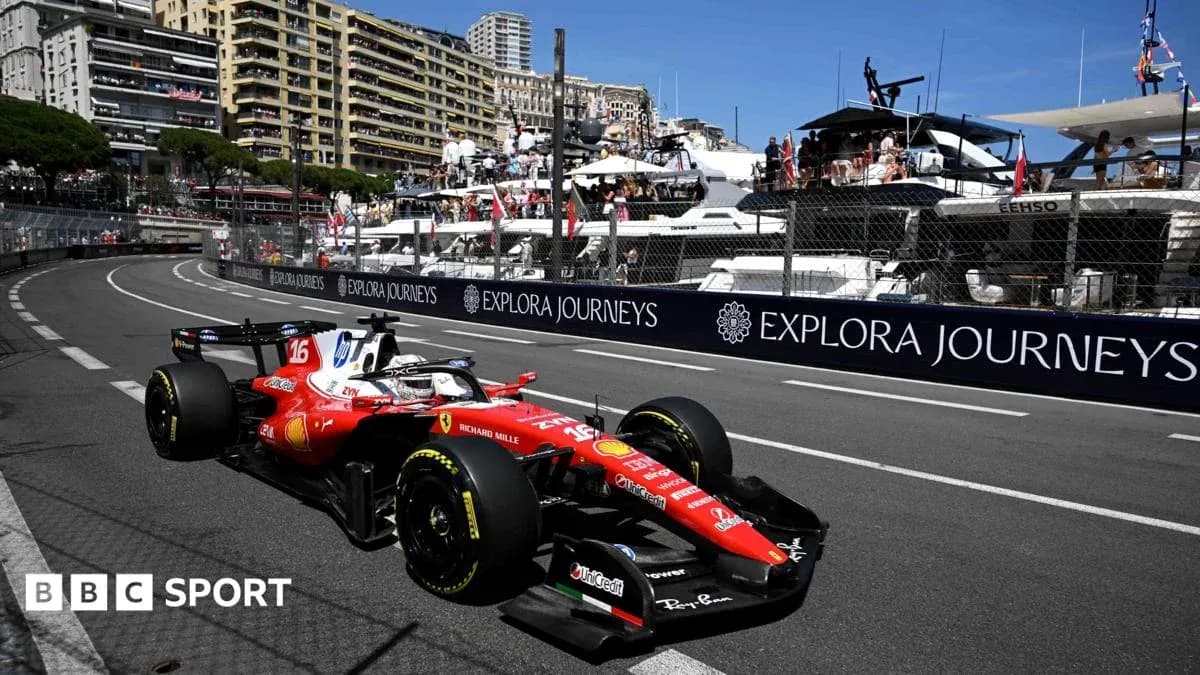
Macau is famously brutal to pass on, outside the blast from Fishermen’s to R and R to Lisboa. But Macau is constrained by fixed city streets and decades of history. Madrid had freedom. It was built with F1 as the headline act, not as an afterthought behind F3 or touring cars.
That’s what stings: this wasn’t doomed by geography. It was a design choice. And it leaves you wondering how a few moved walls and a couple of flatter braking zones were left on the drawing board.
When strategy is the only weapon
Some street circuits get a pass because they offer something else: jeopardy, chaos, or strategic depth that compensates for the lack of obvious passing zones.
Madrid flirted with that idea. It never committed.
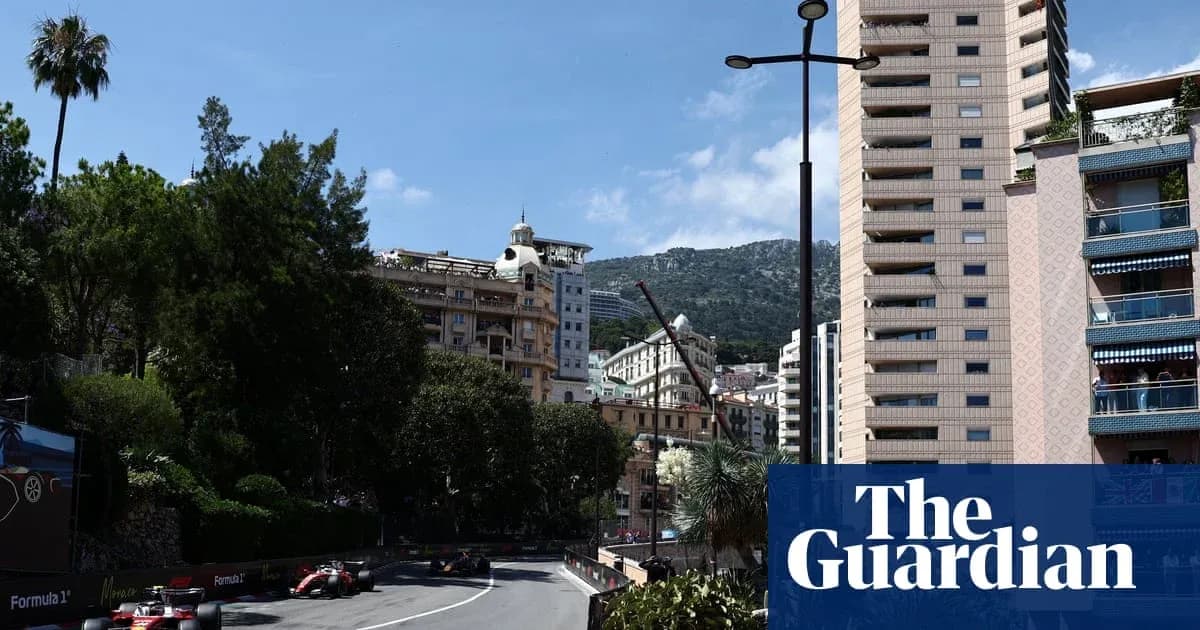
The event itself impressed. Reports from on-site painted a picture of a city that embraced F1, and onboard laps showed a fast, visually striking ribbon of asphalt. On Saturday, it looked like a modern classic in the making.
On Sunday, it went flat.
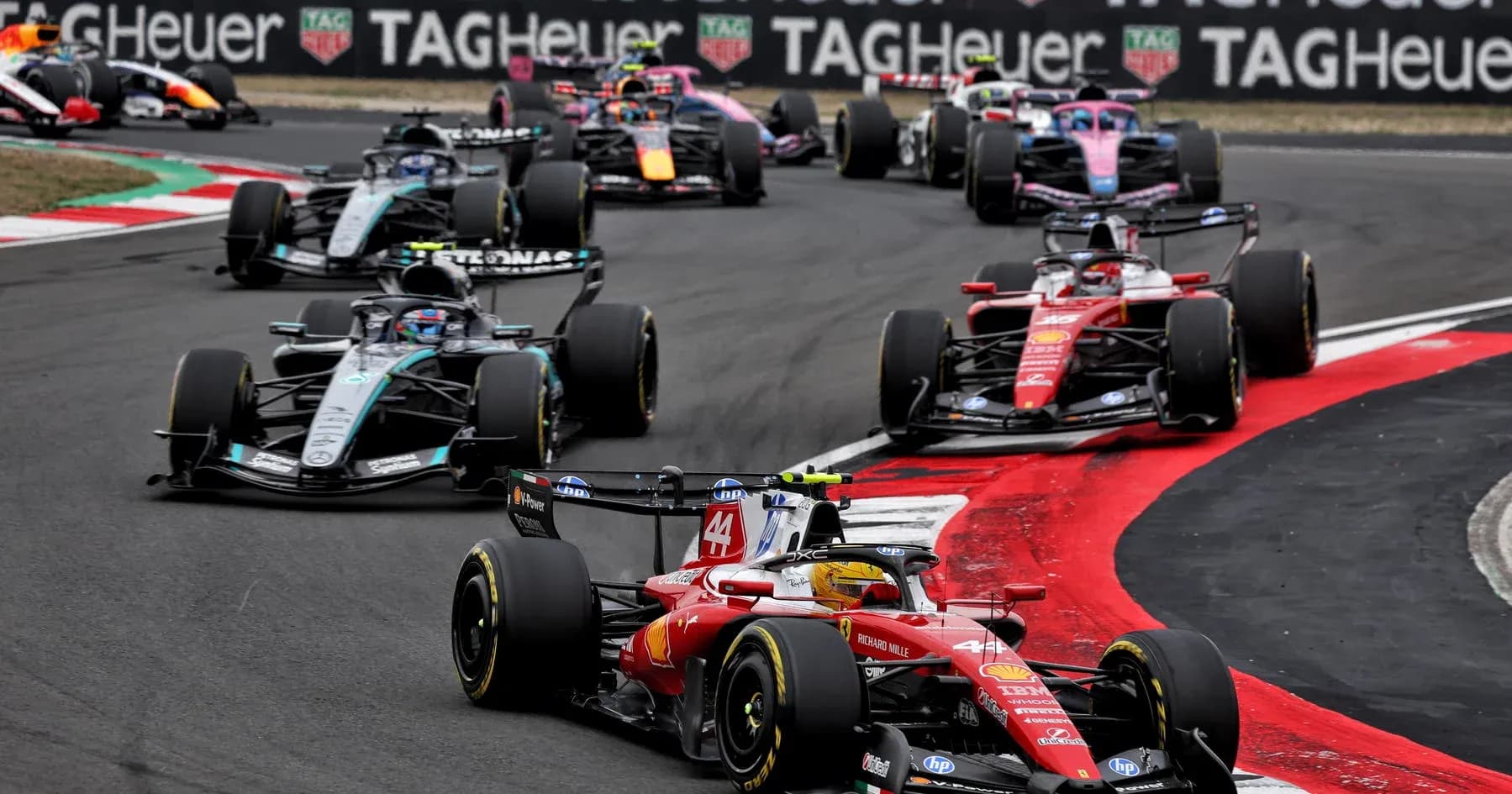
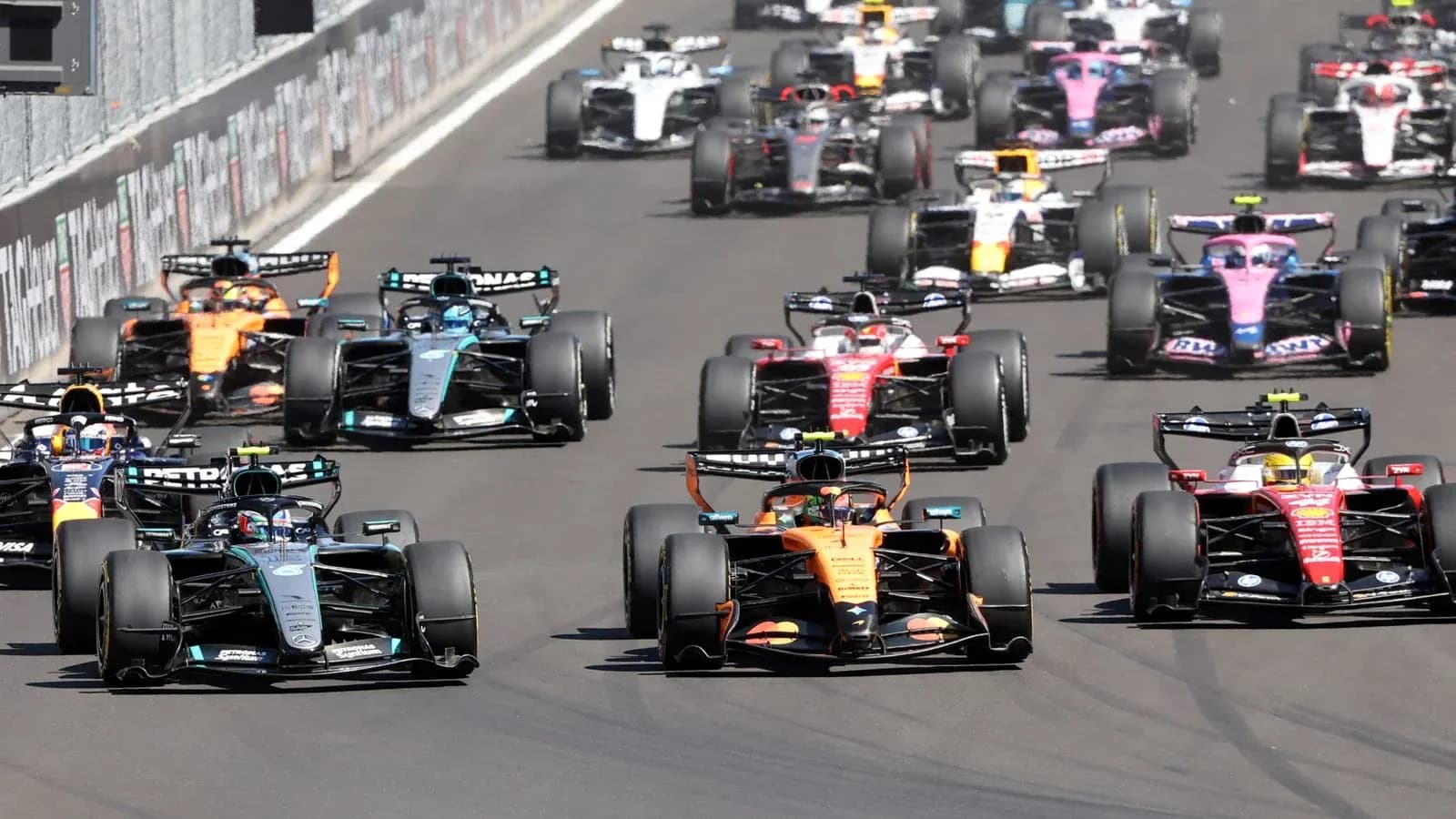
A McLaren as quick as Norris’s should not spend that long staring at the same rear wings with so few chances to do anything about it. Charles Leclerc, running an off-sequence, no-stop approach for so long at the front without being prised out of the way on track, told its own story. Too many cars sat in queues that their pace said they didn’t belong in.
The race never built that simmering tension where you know the faster car will eventually break through. It just idled. Strategy mattered, of course, but it felt like the only tool available, not one weapon among many.
The encouraging part? This doesn’t look like a lost cause. A more aggressive tyre choice alone might have forced more stops, bigger pace offsets, and some late-race jeopardy. Combine that with even modest circuit tweaks and Madrid could flip from processional to punchy very quickly.
A debut that demands a response
There’s a lot to like about Madrid on paper. The city, the spectacle, the qualifying laps, the sense of occasion. The foundations are there.
But the first grand prix at the Madring will be remembered for what didn’t happen. For the moves that never came, for the faster cars boxed in, for a race that felt like it should ignite and instead just idled to the flag.
F1 has time to fix it. The question is whether it’s willing to treat a layout like this as a starting point, not a finished product.