Madrid Welcomes Formula 1 with Royal Presence
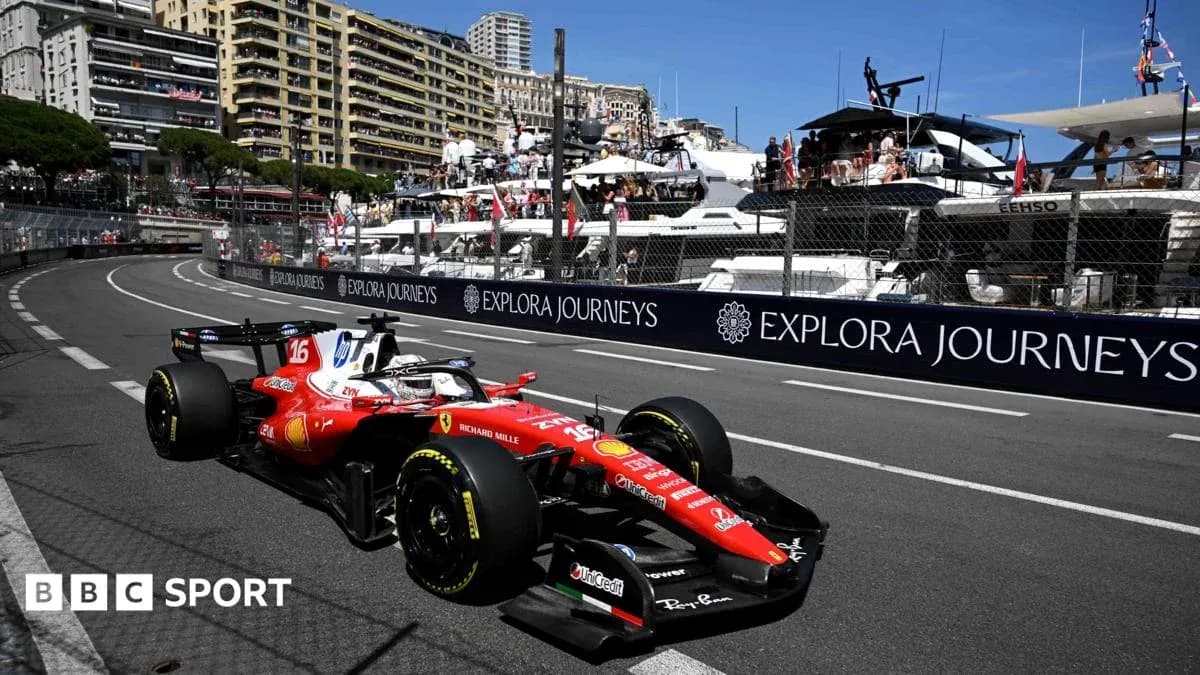
The Spanish Grand Prix came home to Madrid after 45 years, and the city answered with noise, colour and royalty. On a sun-soaked Sunday at the brand‑new Madring semi‑street circuit, King Felipe arrived flanked by Princess Leonor and Infanta Sofía, turning an already historic race weekend into a statement occasion.
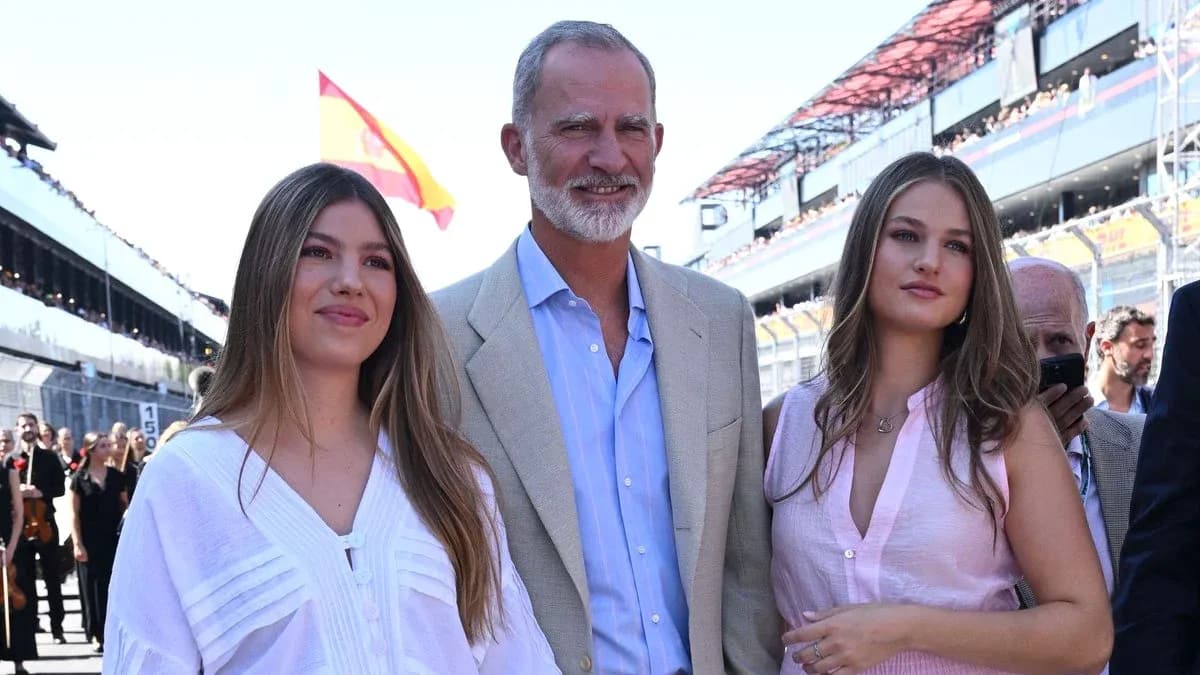
Fresh from attending the funeral of Norway’s King Harald V, Felipe swapped black tie for paddock passes, bringing his daughters into the heart of a sport he has followed for years. For Leonor, 20, and Sofía, 19, it was a milestone: their first Formula 1 appearance in an official capacity, and they walked into it as if they had been doing this for a decade.
A Relaxed King, Two Confident Heirs
This was not a stiff balcony wave or a formal reception line. The King and his daughters moved through Madrid’s new circuit with the ease of a family outing rather than a choreographed state act. Queen Letizia stayed away on this occasion, leaving the spotlight on a rare father‑daughters day in public.
The timing gave the moment extra weight. The new academic year is beginning, diaries are filling, and yet the royal calendar made space for a day at the track. Between grandstands packed with red and yellow flags and the rising whine of F1 engines, the three of them shared the kind of relaxed smiles that rarely make it into official portraits.
The paddock stop was the centrepiece. Leonor and Sofía joined their father in greeting two giants of Spanish motorsport, Fernando Alonso and Carlos Sainz. For Madrid’s fans, seeing the local hero Sainz on home asphalt with the future Queen of Spain at his side underlined just how big a day this was for the capital.
Inside the Garage: A Royal Look Under the Skin of F1
The royal visit went deeper than a quick grid photo. One of the standout moments came when Felipe, Leonor and Sofía stepped into the garage to get hands‑on with one of the most crucial machines in modern Formula 1: the Safety Car.
Guided by circuit officials, they circled the Mercedes‑AMG, listening as staff broke down the technology, performance demands and meticulous preparation behind the car that controls the race when chaos hits. No pomp, no ceremony – just three royals leaning in, asking questions, taking in the detail.
Felipe stayed close to his daughters throughout. They chatted between themselves, glanced at the timing screens, watched the mechanics at work. The warmth was obvious, the dynamic easy. On a day when Madrid was reintroduced to the sport at the highest level, Spain’s first family looked entirely at home in the most pressurised corner of the circuit.
Paddock Style with a Royal Finish
Leonor’s first walk through an F1 paddock came with a look that matched the occasion. She chose a sleeveless dusty‑pink top with a fitted smocked waist, paired with high‑waisted white wide‑leg trousers that moved cleanly in the heat of the afternoon. A matching clutch tied the outfit together without shouting for attention.
Sofía went for a sharper, monochrome line. Head‑to‑toe white, she combined a long‑sleeved V‑neck blouse with wide‑leg trousers, adding a slim brown leather belt and matching clutch to cut through the all‑white palette. It was simple, modern and made for cameras.
Felipe, as ever, found the middle ground between formality and the paddock’s more relaxed code. A beige jacket over a light‑blue open‑neck shirt, navy trousers and dark sunglasses gave him a tailored but easy look – a head of state who understands that a racetrack is not a throne room.
An Official Outing with Sporting Weight
The Royal Household had signalled the importance of the day before a wheel had turned. It confirmed that “Don Felipe, accompanied by the Princess of Asturias and Infanta Sofía, will attend the Formula 1 TAG Heuer … on Sunday, September 13, at the new circuit,” and followed up with a second note stressing the official character of the appearance at the Spanish Grand Prix.
This wasn’t a private family trip slipped into the schedule. It was a deliberate presence at one of Spain’s marquee sporting events, just before the two sisters disappear back into academic life. Leonor has begun studying Political Science at Carlos III University of Madrid; Sofía is preparing to return to France for her second year of college, this time at Forward College’s Paris campus.
They will soon be buried in lectures and exams. On Sunday, they were trackside as Madrid rejoined the F1 calendar.
Madrid Back on the Map
The Madring circuit carried the weight of history before the lights even went out. Madrid had not hosted a Formula 1 race since 1981, when Gilles Villeneuve triumphed at Jarama. That four‑and‑a‑half‑decade gap ended with a 5.4‑kilometre layout that has already sparked debate and excitement, especially around the sweeping “La Monumental” turn.
Spanish fans poured into the stands for Alonso and, especially, for hometown driver Carlos Sainz. The build‑up had not been kind to the Madrid native. A difficult qualifying left him frustrated, and he did not hide it. “It was a very bad qualifying session,” he admitted, a blunt assessment that matched the mood of his supporters who had hoped for more on home tarmac.
Even so, the atmosphere around the track never dipped. With the King and his heirs in attendance, the sense of occasion only grew.
A Sporting Thread That Runs Through Their Public Lives
For Leonor and Sofía, this was not a random drop‑in to tick a box. Sport has been woven into their public image from childhood, and their presence at Madring felt like a continuation of a long‑running story.
They have stood with Spanish athletes at some of the country’s biggest recent triumphs. They celebrated Spain’s 2026 World Cup win with the team, taking part in the festivities that followed the final. Those spontaneous scenes have run alongside increasingly formal duties – from the traditional reception at Marivent Palace to a meeting with Pope Leo XIV at the Royal Palace.
The roots go back much further. In 2010, when Spain lifted the World Cup in South Africa, Leonor was four and Sofía three, trying to hoist the trophy at Zarzuela Palace with goalkeeper Iker Casillas. The images of the tiny princesses grappling with football’s biggest prize became part of the national memory, revisited when Spain won Euro 2012.
As they grew, the settings changed but the pattern stayed. In 2022, they travelled to Brentford for the Women’s European Championship, their first official trip abroad without their parents, to support Spain. A year later, Sofía was on the pitch in Sydney celebrating with the national team after its historic Women’s World Cup victory.
The Paris Olympics in 2024 offered another stage. In the stands, they cheered on Rafael Nadal, Carlos Alcaraz and a host of Spanish contenders, visible proof that their interest stretches far beyond a ceremonial handshake and a photo op.
Their commitment has even shaped royal scheduling. During the 2026 Princess of Girona Awards, organisers moved the ceremony earlier so the entire Royal Family could watch Spain’s crucial World Cup match ahead of the final. When football called, the timetable bent.
From Stadiums to Street Circuits
From World Cup finals to Olympic courts, from women’s football to Formula E at Jarama – where King Felipe watched the electric series in March – the royal family has consistently placed itself at the heart of Spain’s major sporting moments.
Madring was the latest stop on that journey. On Sunday, as the engines screamed and the grandstands shook, Leonor and Sofía stepped into a new arena: the high‑octane, hyper‑technical world of Formula 1. They did it alongside a King who clearly relished sharing his motorsport passion with his heirs.
Madrid has its Grand Prix back. Spain’s drivers have another home stage. And now, the royal family has added the F1 paddock to the growing list of places where its next generation is learning to move comfortably in front of a global audience.