Madrid’s Madring Faces Early Surgery for Better Overtaking
The Madring arrived with a roar. It left with a question.
Formula 1’s new Spanish Grand Prix home around Madrid’s IFEMA fairgrounds delivered a striking backdrop, slick organisation and a layout that had drivers grinning on Saturday. But once the lights went out, the shine dulled. Across F1, F2 and F3, the same complaint surfaced: too hard to pass, too easy to defend.
Organisers have heard it loud and clear – and are already preparing to redraw the map for 2027.
A modern venue, a muted race
On paper, the 5.4km circuit ticked the right boxes. A modern facility, fast sweeps, medium to high-speed corners that punished mistakes and rewarded commitment. Qualifying proved it, with drivers pushing the limits and praising the challenge.
Race day told a different story.
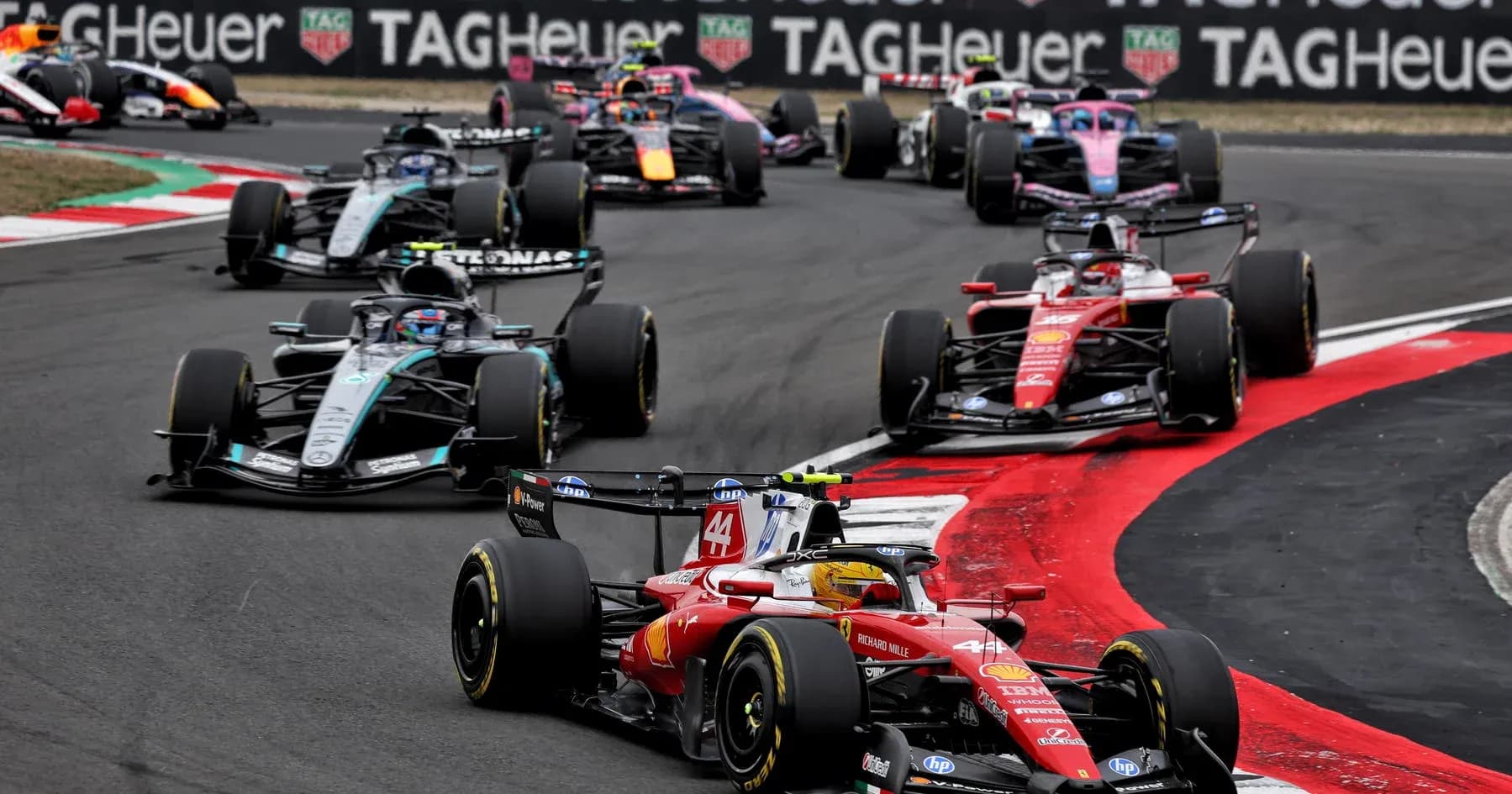
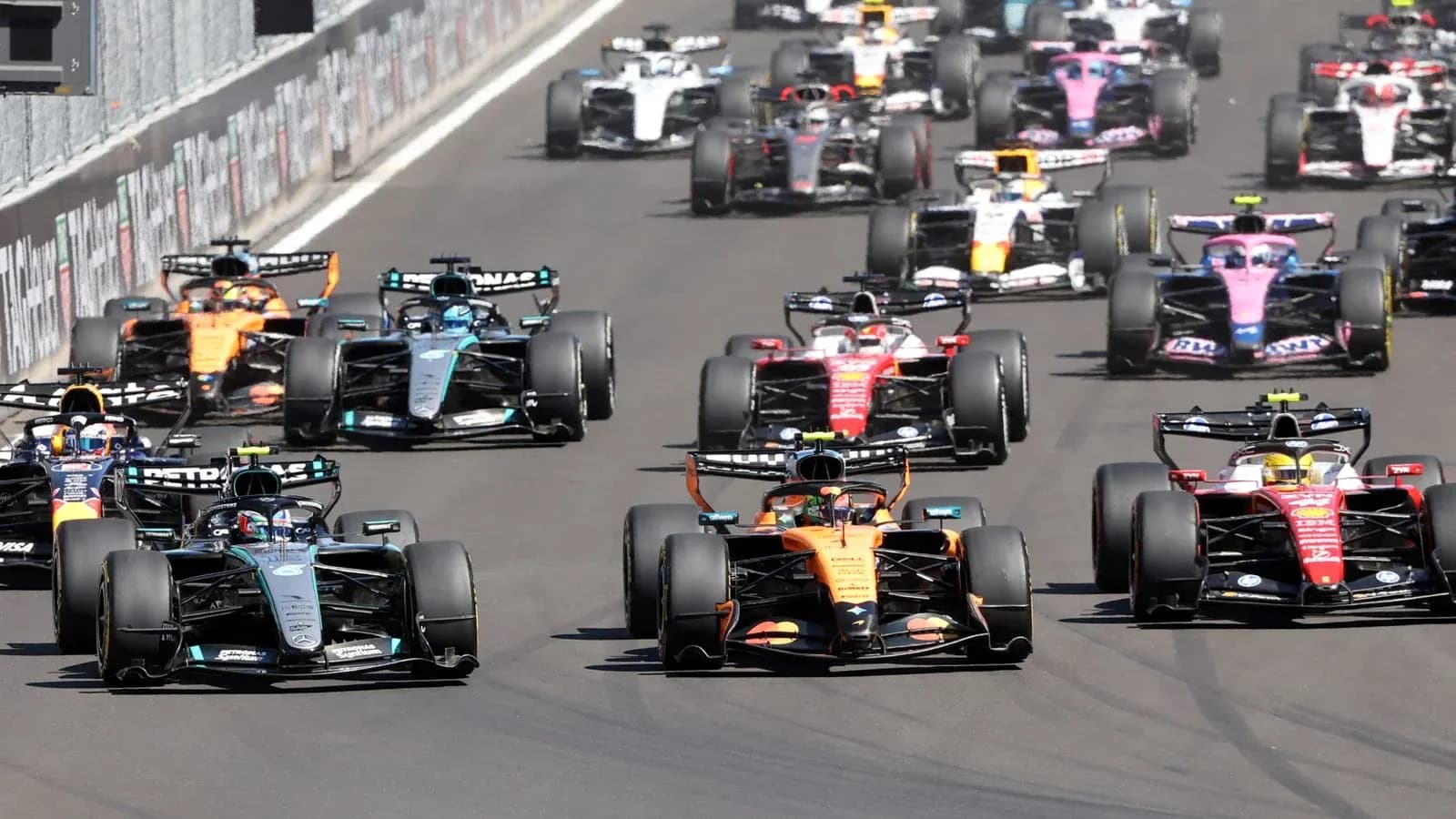
The main overtaking hope, the chicane at Turn 5 at the end of the longest straight, never really came alive. Its awkward geometry left cars strung out rather than side by side. Drivers found themselves stuck in a rhythm: close, but not close enough.
Inside Friday night’s drivers’ briefing, frustration grew. Too many combined corner entries, they argued – places where they had to brake and turn at the same time. That kind of design makes life easy for the car in front: defend the inside, manage the line, and the attacker runs out of road and grip.
The pitlane didn’t help. Its length discouraged bold strategy calls. With such a big time loss, teams had little incentive to gamble on extra stops or alternative approaches. Strategy, usually a weapon, became a restraint.
FIA recommendations already on the table
Speaking to Motorsport.com after Sunday’s race, event managing director Luis Garcia Abad made one thing clear: Madrid will not stand still.
“Being honest with you, the FIA defined clearly which is the way to improve the track layout, and we will be open because we will have to reinstall the track for the next year,” Abad said.
He stressed how much drivers enjoyed the qualifying challenge, but accepted the need to improve the racing.
The key point is flexibility. This isn’t a historic street circuit hemmed in by buildings and politics. The northern half of the Madring was drawn on a blank canvas, carved out of empty land. That gives Madrid something most new venues crave: room to change.
“We have the space, we have a venue, we have the facilities, we have the capacity to do it,” Abad insisted. “I’m sure that FOM, FIA, and ourselves, we will try. If we can improve something, we will do it.”
The race was the first of a 10-year deal. There is time, and there is pressure. You don’t get a decade in modern F1 by serving up processions.
Norris points to the problem – and a solution
World champion Lando Norris did not sugarcoat his verdict. For him, the Madring is a split personality.
“To me, it’s not a great racetrack. It’s great in qualifying,” he said.
The issue, in his eyes, lies in how the corners and straights connect – or fail to.
Norris suggested a more direct run from Turn 17 to Turn 20, opening up the approach and creating a much wider entry, something akin to Austin’s Turn 1 or Turn 10. A big hairpin, a natural funnel for late-braking moves and wheel-to-wheel battles.
“You’ll create much better opportunities for everyone and you’ll be able to enjoy the race,” he argued.
He also highlighted the Turn 5–6–7 sequence as a problem zone. The constant requirement to turn and brake at once, he said, “basically defeats the whole object of racing.” When the attacking car cannot brake in a straight line and throw one down the inside, the defender dictates everything.
Those comments mirror the drivers’ wider feedback: reduce the combined braking zones, straighten some entries, and give them at least one or two corners where courage and late braking can actually change the order.
A new circuit, an early crossroads
For a brand-new venue, this is an unusually early moment of self-reflection. But it may prove decisive.
Madrid has what many circuits dream of: a prime location, a long-term contract, and the freedom to move tarmac and kerbs without a century of tradition blocking the way. The FIA has already outlined its recommendations. The promoter is publicly on board. The drivers have offered detailed, pointed suggestions.
Now the track must evolve.
If the Madring can turn its high-stakes qualifying theatre into a stage for real racing, Madrid won’t just host Formula 1. It will belong on the calendar.