Manchester United Loan Chido Obi to Willem II Amid Academy Changes
Manchester United’s window officially shut at 11pm on Tuesday. Their business, it turns out, did not.
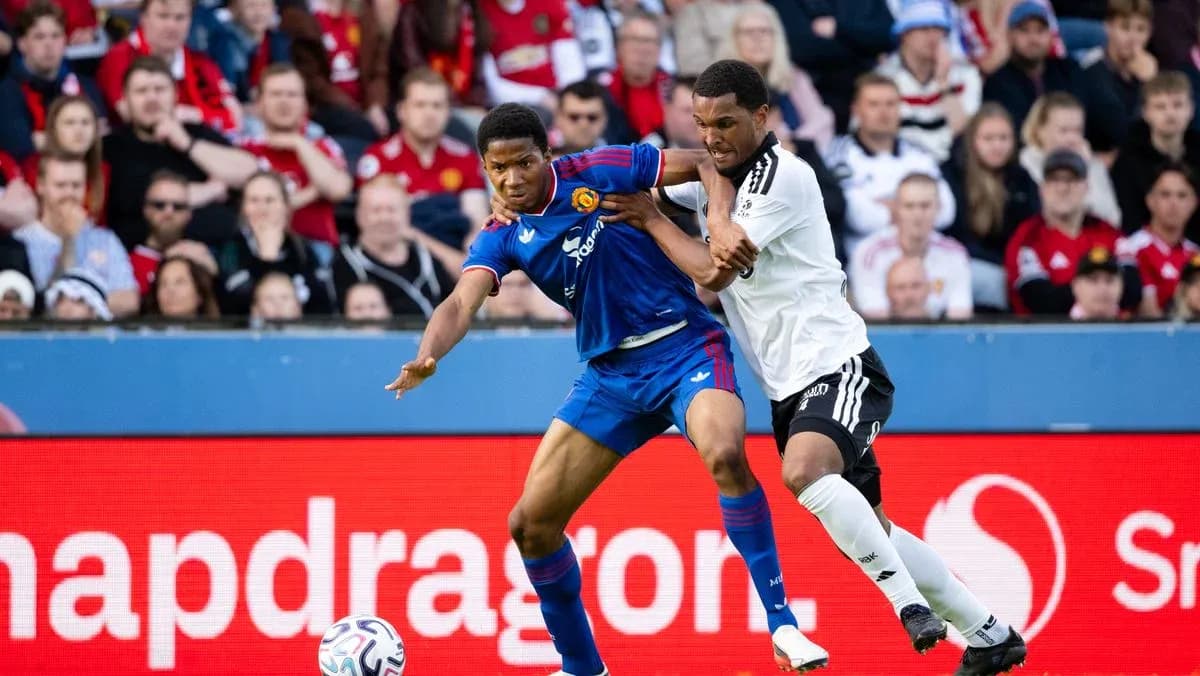
United have confirmed that 18-year-old forward Chido Obi has agreed a season-long loan move to Dutch side Willem II, with the deal subject to registration. The switch exploits the later deadline in the Netherlands, where clubs had until midnight on Wednesday to finalise transfers, giving United a crucial extra 24 hours to lock in the move.
For Obi, it is a first step into senior football abroad after a rapid rise through the ranks. He made his first-team debut in February 2025 against Tottenham and has since collected eight senior appearances, a brief but valuable taste of the top level. Last season he led the line for the Under-21s, hitting 15 goals in 31 games and underlining why United see him as one of the more promising attacking talents in their academy.
Now comes the real test: regular minutes, real pressure, a new country.
A busy conveyor belt out of Carrington
Obi’s departure continues a frenetic summer of movement around United’s academy and development squads. On deadline day itself, Jack Moorhouse agreed a loan move to Dundee, with confirmation of his temporary switch arriving on Wednesday evening. He followed a growing list of youngsters sent out to gain experience rather than stagnate on the fringes.
Among those also heading out on loan are Ethan Wheatley, Jacob Devaney and Jayce Fitzgerald, all part of a wider push to expose United’s prospects to senior football earlier and more consistently. The club has chosen churn over comfort this summer, and the numbers back that up.
It has not just been about loans. United have also cashed in on several academy graduates. Toby Collyer ended his spell at Old Trafford with a move to West Brom, a deal structured to bring in up to £7.6 million if all conditions are met. Highly rated goalkeeper Radek Vitek joined promotion-chasing Middlesbrough in a transfer that could be worth as much as £14m, another sign that the club is prepared to monetise talent that does not have a clear pathway to the first team.
By the time the final paperwork was filed, 26 players had left United this summer, either permanently or on loan. It is a striking figure, even for a club of this size.
Strategy meets reality
United went into the window hoping to generate significant funds from player sales, trimming a bloated squad and clearing space on the wage bill. They have made progress, but not enough. Once again, they struggled to shift several senior players deemed surplus to requirements, a recurring theme that continues to limit what they can do at the top end of the market.
So the academy has carried much of the movement: loans to build value and experience, sales to plug financial gaps and meet the demands of modern squad planning.
Obi’s move to Willem II fits neatly into that picture. United retain a promising forward, Willem II gain a hungry young striker with a point to prove, and the player steps into a league that has long been a testing ground for emerging attacking talent.
The window is closed. The deals are done. Now the question for United is simple: will this aggressive reshaping of their youth and fringe ranks finally translate into a leaner, sharper first-team squad—or just another summer of churn without a clear payoff?