Max Kruse Questions Joshua Kimmich’s Leadership in Germany's National Team
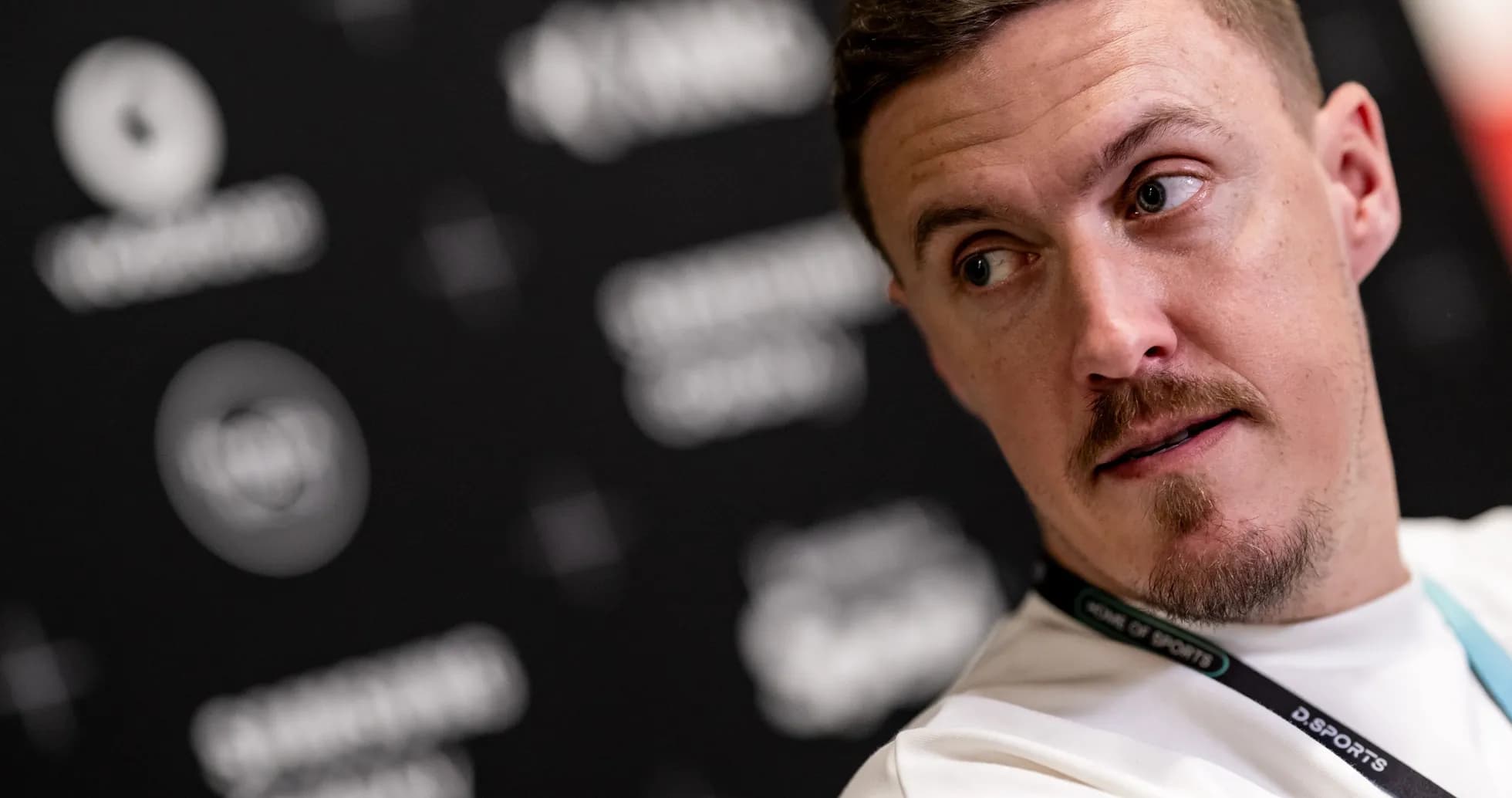
Max Kruse has never been one to bite his tongue. At 38, with his playing days behind him and a microphone now his main stage, the former Germany international has fired a sharp shot into the heart of the national team’s leadership debate – and straight at Joshua Kimmich.
Kruse questions Kimmich’s captaincy credentials
In a frank assessment of the new Jürgen Klopp era, Kruse backed up a long-discussed thesis from ex-team manager Oliver Bierhoff: the Germany squad is missing real, rugged personalities. Not just captains in name, but leaders with edges, with bite.
The DFB squad, Kruse argued, has been stripped of those types.
“Everything has been smoothed out,” he said, lamenting a group he feels lacks distinctive characters.
Kimmich, the 31-year-old Bayern Munich star and captain of the record champions, sits at the centre of that storm. For many, he is the natural face of a new Germany. For Kruse, he is not.
“For me, Joshua Kimmich is not a leader player either, despite the armband at Bayern,” the 14-cap international stated, cutting through any polite diplomacy.
He then set out his own definition of what leadership on the pitch actually means. It is not, he insisted, a piece of fabric around the arm or the occasional crunching tackle.
“Leadership is not shown only through the captain's armband and hard challenges, leadership is so much more. For me, Kimmich is not the right man for that,” Kruse made clear.
This is not a minor quibble over tactics. It is a fundamental question about who should carry a nation on the field.
Klopp stands firm: Kimmich is my midfield general
On the other side of the debate stands Jürgen Klopp, only just in the Germany job and already confronted with the country’s favourite pastime: dissecting the national team’s soul.
Klopp has named an XXL squad of 44 players, a wide pool in which he wants competition, energy, and yes, leadership. Inside that group, though, his view of Kimmich is crystal clear.
“We see him as a midfielder,” the new Bundestrainer stated. “We have not had a single conversation in which we spoke about him as a right-back.”
The message is unmistakable. At the World Cup, Kimmich had to plug a gap at right-back out of necessity. Under Klopp, that emergency solution is over. Kimmich will return to his preferred zone, organising the defensive midfield, setting the tone with and without the ball.
Klopp is not just backing him. He is building around him.
A challenge, not a comfort zone
That trust, though, comes with a demand. Klopp is not handing out free passes, not even to his captain.
“Stability only comes from the defence, from how you work defensively – and for that I need every single one,” he underlined when announcing his squad.
Then came the line that matters most in this debate.
“The point now is that we commit ourselves to that. That applies to Jo just as it does to everyone else.”
There it is: support and scrutiny in the same breath. Kimmich will get the role he wants, in the position he believes brings out his best. In return, Klopp expects him to embody the defensive steel and collective work that have too often deserted Germany in recent years.
A national team caught between eras
Kruse’s criticism taps into a broader unease. Germany has the talent. It has a charismatic coach. It has a captain at one of the biggest clubs in the world. What it does not yet have, in the eyes of its more hard-nosed ex-pros, is a core of untouchable, unmistakable leaders.
Klopp is betting that Joshua Kimmich can be one of them – not just by shouting, pointing, and protesting, but by anchoring a team’s mentality from the centre of the pitch.
Kruse is not convinced.
The question now is not who sounds more convincing in front of a camera. It is who will be proven right when the whistle blows and Germany’s new era is judged not on theories of leadership, but on results, resilience, and the personality this team shows when the pressure hits its peak.