McLaren Unveils H-Wing at Monza for MCL40 Performance Boost
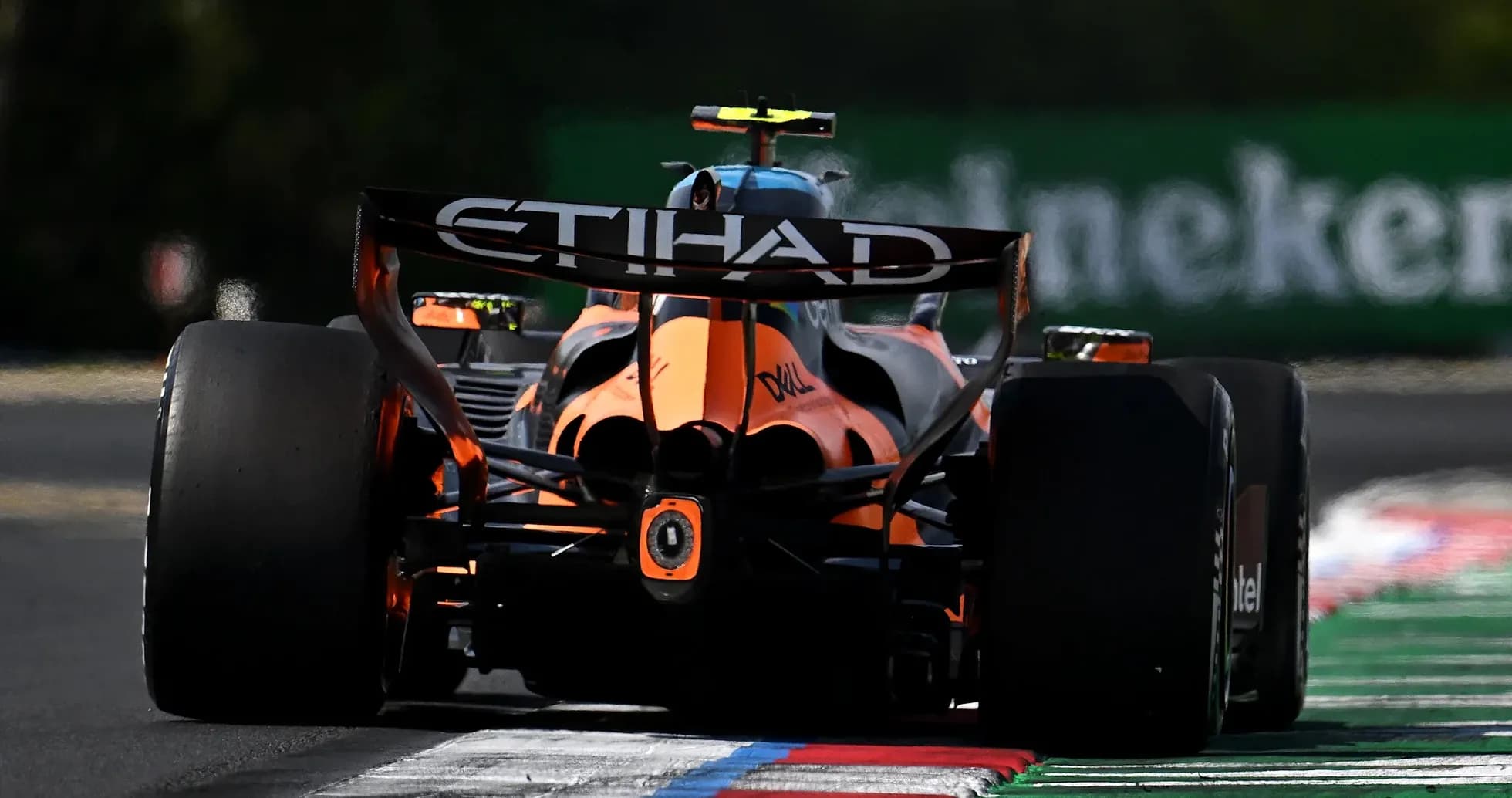
McLaren arrive at Monza riding a wave of form and carrying something new in their luggage: a fresh low-drag rear wing package built around a striking piece of hardware they’ve dubbed the “H‑Wing”.
The concept itself is no longer a secret in the paddock. Ferrari first rolled out a rotating rear wing – quickly christened the “flip-flop” – during pre-season testing. Red Bull answered with their own interpretation in Miami. McLaren then quietly joined the club in Hungary, giving a rotating design a first taste of track action in Free Practice 1.
Now comes the serious test. The Woking team intend to run their version across the Italian Grand Prix weekend, pairing it with a suite of low-drag options tailored to the flat-out demands of Monza.
Why McLaren call it the H‑Wing
McLaren have not plucked the name out of thin air. It’s a deliberate nod to one of the team’s most infamous innovations.
“The H-Wing’s naming convention pays homage to McLaren’s innovative F-duct, which debuted in 2010 and took its name from the ‘F’ in the branding positioned alongside the system’s inlet on the car,” the team explained in their race preview.
Back then, the F‑duct rewrote the playbook on drag reduction. This time, the lettering comes from a different place.
“In the same spirit, the H-Wing is named after the ‘H’ in Etihad Airways branding displayed on the rear wing as part of the team’s partnership with the airline.”
So the label is commercial in origin, but the intent is pure performance: shed drag on the straights, keep stability under braking, and squeeze every last kilometre per hour out of the MCL40 on a circuit built for speed.
Monza’s unique test
Neil Houldey, McLaren’s Technical Director of Applied Engineering, set out the scale of the challenge that awaits.
“Monza presents a unique challenge, with its long straights placing a premium on drag reduction, while the heavy braking zones demand stability and the chicanes require good ride performance,” he said.
This is not just about the bodywork. Energy management looms large over the weekend.
“Energy will also be limited around the lap, so understanding the best way to recharge and deploy it will be an important focus during practice. Managing overtakes will therefore be particularly important, as different approaches to harvesting and deploying energy could create a yo-yo effect, with cars trading an advantage at different points around the lap.”
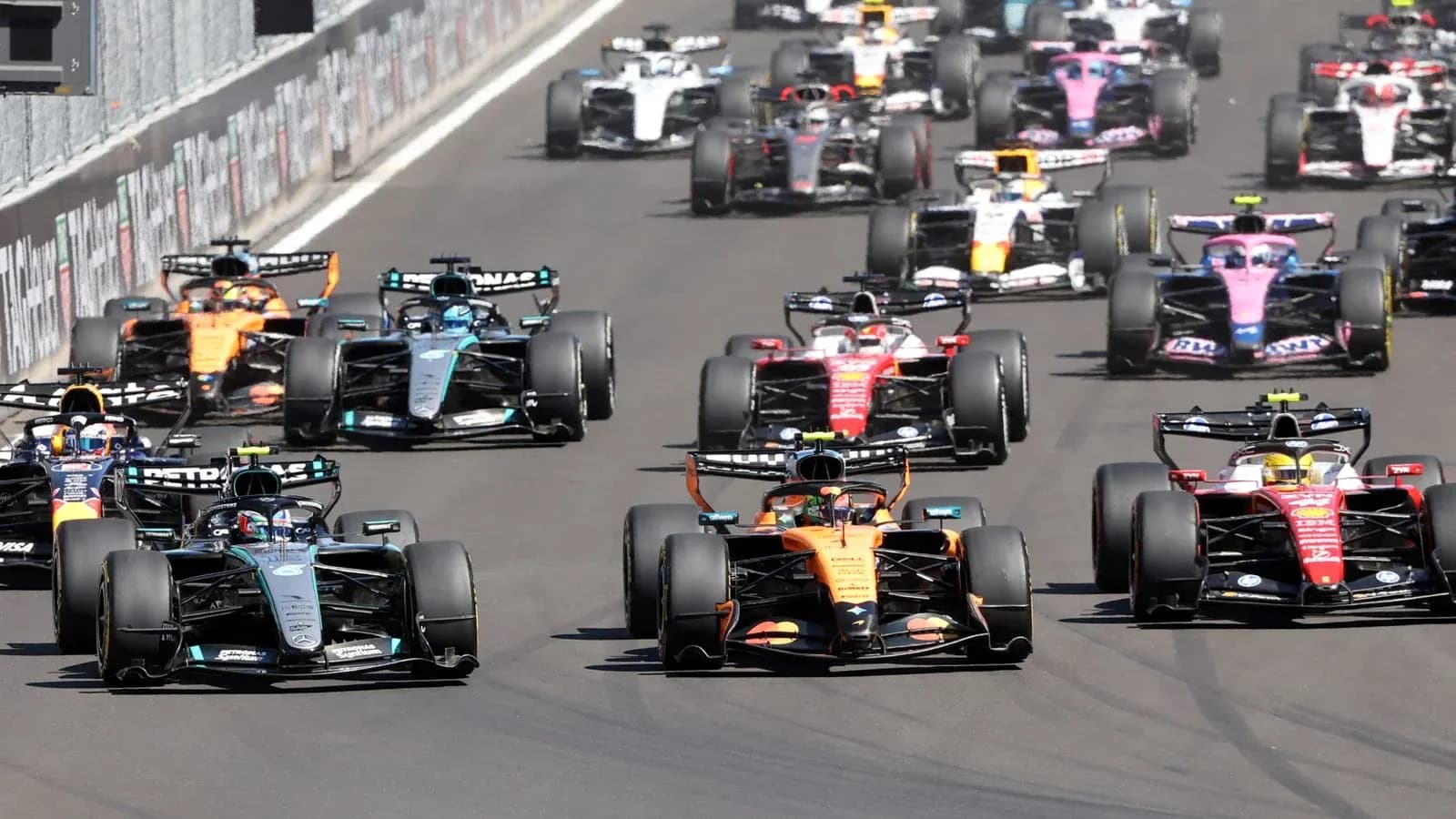
In other words, expect slipstream trains, tactical ERS deployment, and cars surging and fading along the straights as teams play different strategic cards.
At the sharp end, the room for error remains tiny.
“That said, the margins at the front remain extremely tight, so the accuracy of our pre-event simulation and simulator work will be critical in giving us a strong baseline. From there, we need clean practice sessions to refine the car and maximise the car-and-driver combination.”
Targeted upgrades, not a revolution
McLaren are not billing Monza as a wholesale upgrade weekend. The changes are focused and specific.
The team confirmed they will introduce “minor aerodynamic updates” for the Italian Grand Prix and will also lean on “previously declared parts that are specific for such a unique track layout”.
Houldey outlined the core of the package: “This weekend, we have brought what we believe is needed to be competitive, including a new low-drag rear wing specification, including the first use of our H-Wing, alongside some small aerodynamic and low-drag options that we will evaluate before deciding the final specification for Qualifying.”
The message is clear. The H‑Wing is a key piece, but it sits inside a broader, finely tuned Monza kit.
And McLaren are not pretending this is the final step for the MCL40.
“Overall, we know there is still more performance to unlock from the MCL40, both through maximising the package we already have and through further upgrades planned for the races ahead.”
The car keeps evolving, the innovations keep coming, and Monza will show whether the latest McLaren gamble on drag reduction can keep them in the fight at the very front.