Mercedes' Zandvoort Performance: Strong Points but Unanswered Questions
Mercedes leaves Zandvoort with answers on the scoreboard and questions everywhere else.
On paper, a 2-3 in qualifying, a 2-3 in the grand prix, and the second-biggest haul of points of the season – 46 in total – looks like the weekend of a title-winning operation. In reality, it felt like a team that briefly found top gear, then spent Sunday trying to work out why the car suddenly wouldn’t shift.
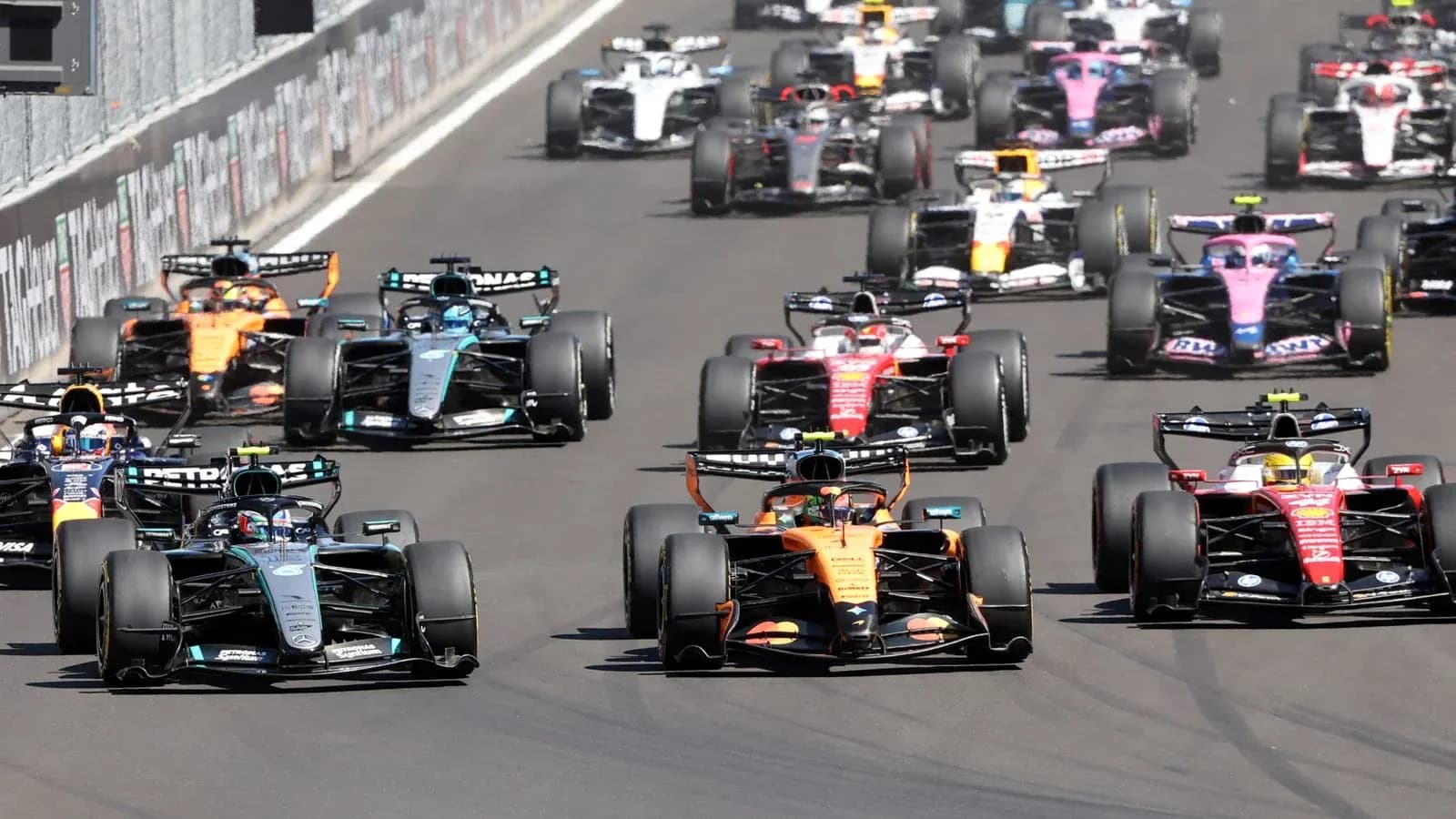
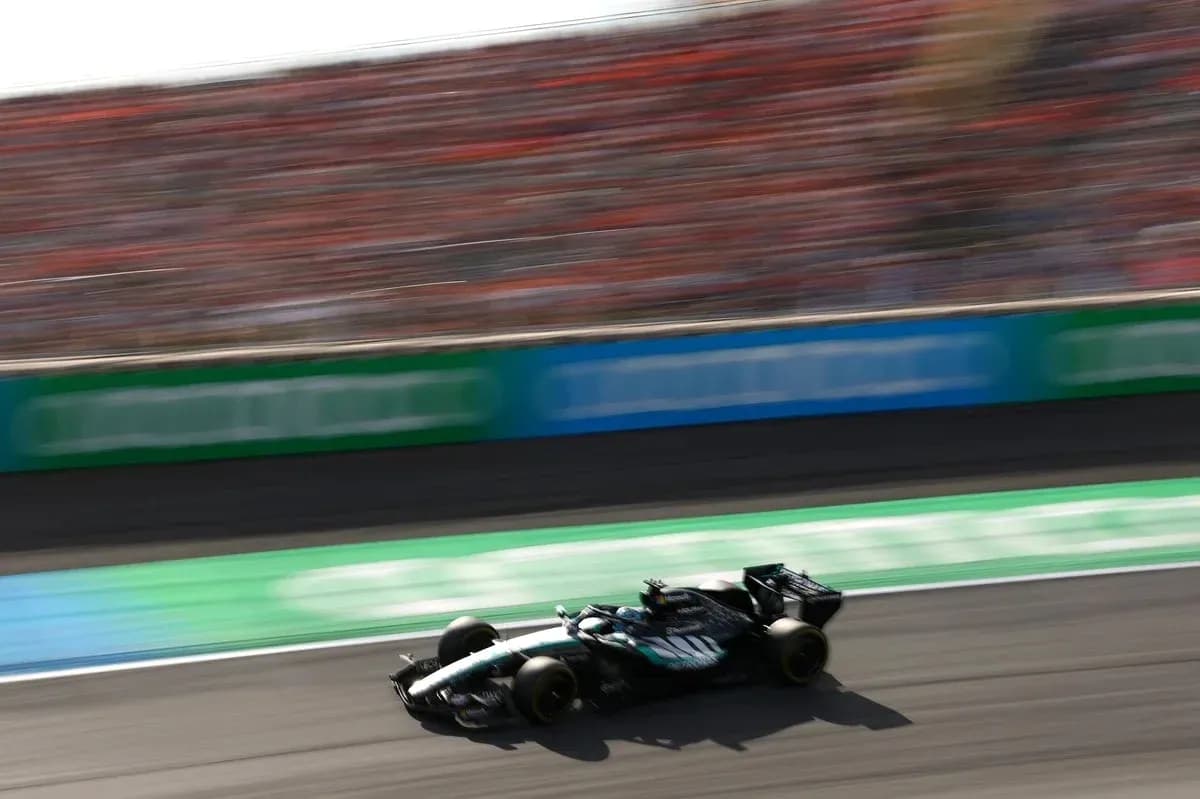
George Russell’s sprint pole and sprint win on Saturday set the tone. Mercedes looked sharp, aggressive, and fully at home around Zandvoort’s banking and rhythm. By Sunday night, though, it was McLaren and Lando Norris celebrating grand prix pole and victory, while Mercedes’ trackside engineering director Andrew Shovlin was describing the W15 through the fast stuff in brutal, one-word terms.
“Rubbish.”
Fast corners, slow answers
The problem area was clear. Turns 7, 8 and 9 – the high-speed sweepers that punish the left-hand tyres – exposed a weakness Mercedes didn’t know it had.
“There were a few corners where we were pretty rubbish, like that combination of 7, 8, 9,” Shovlin admitted on the team’s Nu Silver Arrows Radio Show. The data told the same story. Anywhere the car needed to lean hard and long in one direction, the stopwatch turned against them.
That’s what really stung. This wasn’t a known flaw reappearing. Shovlin made it clear: this kind of issue hadn’t been a theme of their season so far, even though several tracks feature similar, sustained high-speed arcs. At Zandvoort, they were “a bit off the pace in the fastest of those turns,” he said, while the rest of the lap looked “solid”.
So the car was quick. Just not where it mattered most against Norris and McLaren.
Same car, different race
What confused Mercedes even more was what didn’t change.
Between the sprint race and the grand prix, the team made minimal alterations. During the race itself, there were no big swings in set-up, no experimental tweaks that might have thrown the car off balance. Tyre compounds and stint lengths varied as expected, but the hardware and baseline remained consistent.
Yet the behaviour on track did not.
“We didn’t change the car,” Shovlin said. “George’s first stint was a bit lacklustre compared to his later ones. And then with Kimi, first stint was good, and then dropped a bit on the second, dropped a bit more on the third, a bit came back on the third.”
Nothing dramatic changed on the pitwall – no wild electronic maps, no bold flap angle gambles. Still, inside the cockpit, it felt like two different cars.
Russell ended the race feeling he had an understeery machine, reluctant to rotate and pushing wide. Kimi Antonelli, who beat his team-mate on Sunday to stretch his championship lead to 59 points, reported the opposite: a more oversteery car, livelier at the rear.
Normally, by the chequered flag, both drivers converge on similar feedback. This time, their impressions split.
“If we look at how they were set up, we don’t yet know quite why we got such a big difference,” Shovlin admitted. The engineers will spend the week buried in traces and tyre data trying to connect those dots.
A big haul with a nagging edge
Strip away the frustration and the result still carries weight. Mercedes walked away with 46 points – their second-highest tally of the year, behind only the 55 they banked in the Chinese GP, another sprint weekend with more points on the table.
For a team openly calling parts of its performance “rubbish”, that’s a powerful safety net.
“So, though, really good to have a strong point-scoring weekend when we weren’t at our best in terms of performance,” Shovlin said. From the pitwall, it was a live-fire exercise: strategy calls under pressure, tyre management on a knife-edge, and a car that shifted character from stint to stint.
“It was actually good fun, sat on the pitwall and having to make decisions in a hurry. I think the whole team enjoyed that and rose to the occasion. And it was definitely a good result, given where we were.”
The numbers back him up. Antonelli’s lead swells to 59 points. The team’s points column jumps again. But the manner of it – the unexplained drop in high-speed form, the diverging driver impressions, the inconsistency from one stint to the next – leaves a different kind of work to do.
As Shovlin put it, there’s “a bit of head-scratching to do over the next few days.” If Mercedes want this kind of weekend to feel like a platform, not a warning, they need those answers before the next circuit starts asking the same high-speed questions.