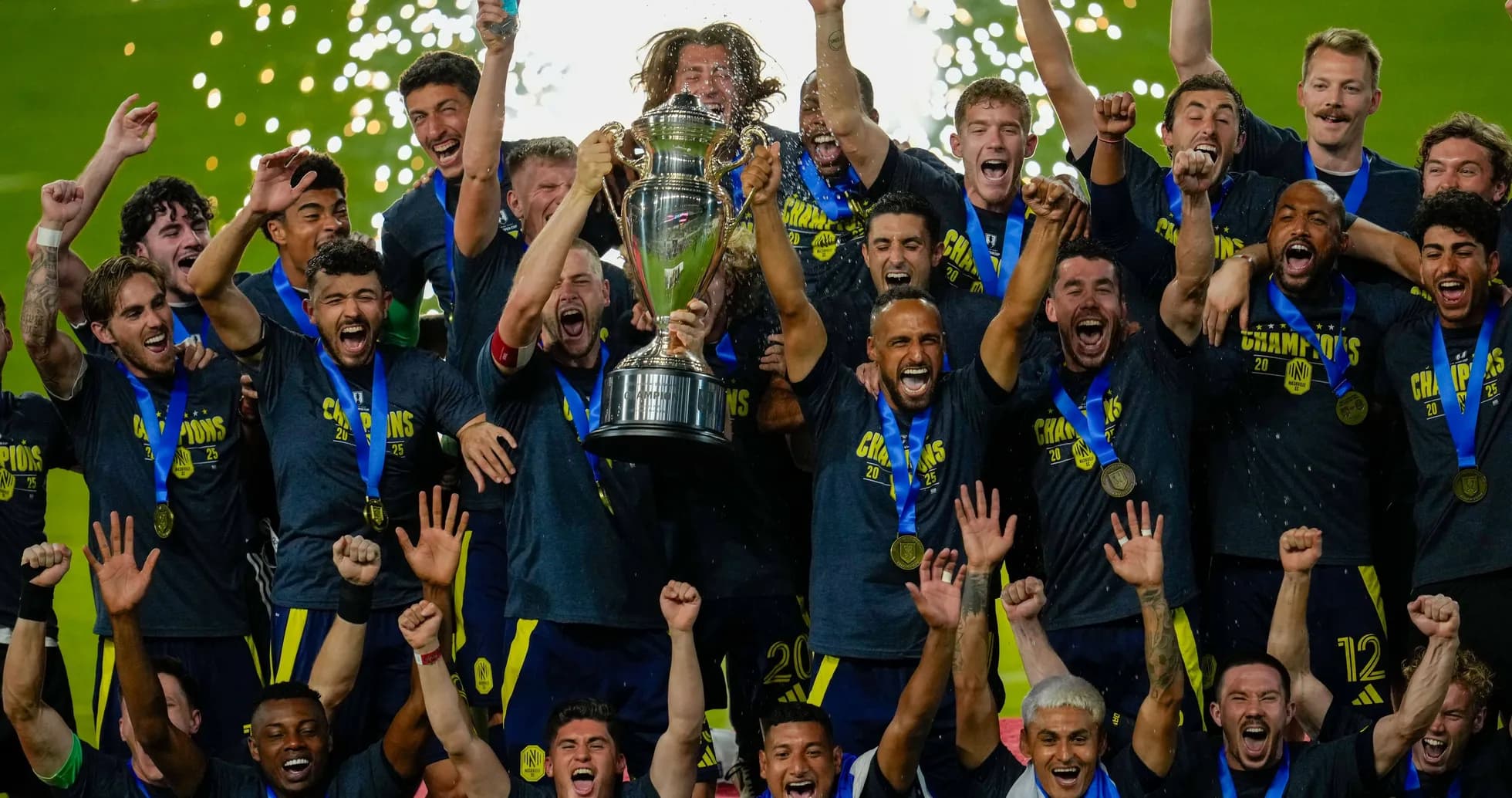
MLS Returns to the U.S. Open Cup in 2026: A Major Shift
MLS is heading back to the U.S. Open Cup – and this time, it’s all in.
After a year on the sidelines, MLS clubs will return to the historic competition in 2026, entering at the round of 64 in mid-July. Top-flight teams will host those ties, setting up the familiar – and cherished – dynamic of lower-division and amateur sides walking into big MLS stadiums with a shot at a giant-killing under the lights.
For many fans, it’s a course correction that was overdue.
Last year, MLS turned its back on the tournament, citing fixture congestion as the league ballooned its summer calendar. The expanded Leagues Cup swallowed up weeks in the heart of the season, precisely when U.S. Open Cup games would normally kick off. MLS tried to send its MLS Next Pro teams instead, effectively pushing its reserve sides into the competition. Organizers said no.
The backlash was swift and loud. Supporters of several flagship clubs felt the league had abandoned a century-old cup in favor of a made-for-TV product. In Seattle, the anger boiled over. Seattle Sounders fans, already fiercely proud of their club’s Open Cup history, boycotted some Leagues Cup matches and accused MLS of chasing the richer tournament at the expense of the sport’s oldest national competition in the United States.
Now, the pendulum has swung back.
MLS’s full return doesn’t just soothe bruised egos in supporter sections. It also lands as a major boost for the rest of the American pyramid. The U.S. Open Cup has always been the one place where the country’s fractured structure briefly feels united: MLS, USL, semi-pro, and true amateurs all thrown into the same bracket.
USL, in particular, stands to gain as the landscape shifts. The league is already plotting a bold new era, with plans to become a Division I league in 2028 and to introduce promotion and relegation that same year – a structure MLS has steadfastly refused to adopt. A revitalized Open Cup, with MLS back in the mix and USL on the rise, sharpens the stakes for those cross-division clashes.
Then there are the dreamers at the very bottom. Thirty-two amateur teams enter the competition each year, and they will relish the guarantee that, if they make it far enough, the reward is not a reserve side on a training pitch, but a full MLS club in a proper stadium. For those players, coaches, and local communities, that’s the kind of night that can define a generation.
For all the wrangling over formats and calendars, the tournament itself has refused to fade. The 2026 edition is rolling on, with four MLS clubs already locked into the semifinals and a place in the Sept. 14 final on the line. It’s a reminder of the competition’s enduring pull.
The U.S. Open Cup has been running, in one form or another, since 1914. MLS walked away once. It has stepped back in now. The next question is whether the league, its rivals, and its fans are ready to let this old trophy sit at the heart of the modern American game, rather than on the margins.