NBA Focuses on Stricter Calls for Push-Offs and Flopping in 2026-27 Season
NBA Highlights Four Key Areas for Closer Officiating in 2026-27
As the new NBA season starts, attention turns to specific challenges the league wants to address through officiating. Players, coaches, and referees all focus on different aspects, but the league’s leadership has pinpointed four main issues for tighter enforcement.
James Jones, head of basketball operations, emphasized the league’s aim to maintain a balance between offense and defense during a press session on Thursday.
Four Areas of Increased Scrutiny
- Off-arm push-offs: Offensive players using their arms to create space by pushing defenders back.
- Two-hand shoves while setting screens: Targeting a specific type of screen involving two-handed contact, not all screening actions.
- Freedom-of-movement violations: Defenders grabbing or holding offensive players off the ball to slow their progress.
- Straight-line pathway plays: Situations where drivers and defenders create contact trying to prevent shots or earn free throws.
The Four Fs Rule for Push-Offs
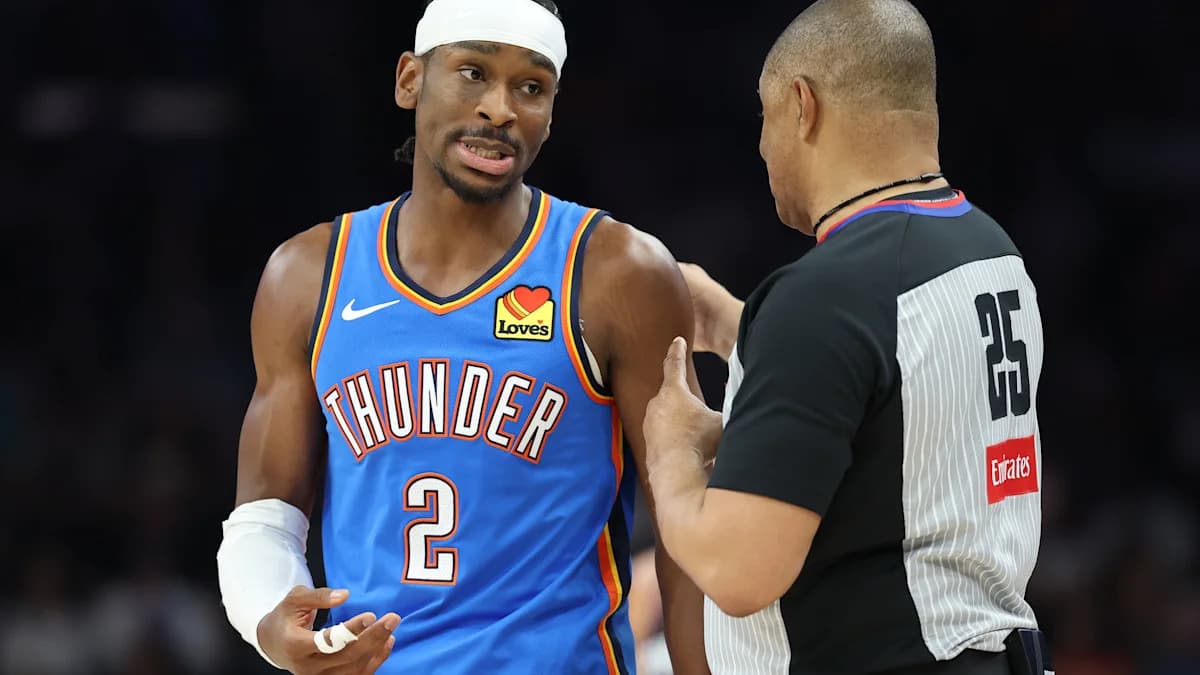
Monty McCutchen, NBA head of referee development and training, described how officials will handle push-offs by following what he calls the "four Fs." If an offensive player is merely feeling out a defender or firming up position with their legs, referees will let the play continue. But full arm extension or forceful contact to gain an advantage will draw whistles.
McCutchen explained the competition committee’s clear message: no full extensions allowed. The challenge lies in judging when a movement crosses from acceptable to foul-worthy, a line that can seem subjective.
"I think reasonable people will think that one thing is firming up, while another person may say that it’s forceful," McCutchen said. "That’s fair."
The goal is to develop a consistent standard through frequent early-season meetings with the competition committee, so referees improve their calls as the season unfolds.
Stricter Penalties for Flopping
The league plans to crack down harder on flopping, a long-standing issue. While previous measures included technical fouls or post-game fines, this season referees will be more vigilant during games.
Jones voiced frustration shared by coaches, players, and fans about flopping’s negative impact on basketball.
Officials will apply the STEM criteria when judging flops: secondary, theatrical, exaggerated movements such as wild arm flailing, unusual distance traveled, and potential risk of injury caused by the fake fall.
McCutchen warned referees must call out floppers without missing legitimate contact before the dramatics.
"We can call an offensive foul, and also, if the standard for a flop has been met, there may be a legitimate offensive foul and secondary, theatrical movement," McCutchen said.
He also noted head snaps alone won’t count as flopping, a subtle point relevant when watching players like Jalen Brunson.
Screening and Physicality Under Watch
With basketball evolving towards smaller, positionless lineups, guards are setting more screens but sometimes rely on arm pushes instead of proper body positioning.
Jones pointed out this trend allows offensive players to gain unfair advantages against defenders. The league wants to prevent two-handed pushes that depend on brute strength rather than skill and positioning.
McCutchen emphasized basketball’s essence lies in quickness and positioning, not just power.
Early Season Whistle Volume and Player Adjustments
New emphasis usually leads to more fouls called early in the season. But as teams adapt quickly, the number of whistles tends to drop.
Jones praised players’ ability to adjust within the short shot clock period and said officials must remain vigilant since players constantly test limits.
Building Respect Between Officials and Players
Referees are encouraged to communicate clearly rather than stay silent, which can come across as arrogance.
McCutchen stressed the importance of earning trust by calling games fairly and consistently.
"I don’t think any of us expect perfection, but if we’re making 10 inconsistent errors now, we aim to reduce those considerably," he said.
Better officiating will allow players to compete freely and deliver memorable moments on the court.
"It just allows our players to go out there and compete," Jones said. "When they compete, they give some really lasting, compelling plays and experiences for everyone."