Newcastle's Struggles Under Jaissle: A Shift from Glory
Thirty years on from ‘Howay 5-0’, Newcastle’s mood could hardly be more different.
On Tuesday, the club’s official account pushed out the familiar clip: Kevin Keegan on the touchline, St James’ Park in full roar, Manchester United taken apart goal by goal until the scoreboard read 5-0 and Newcastle sat top of the Premier League. A reminder of what this place once felt like at full throttle.
Right now, it feels a long way away.
A new era, a flat beginning
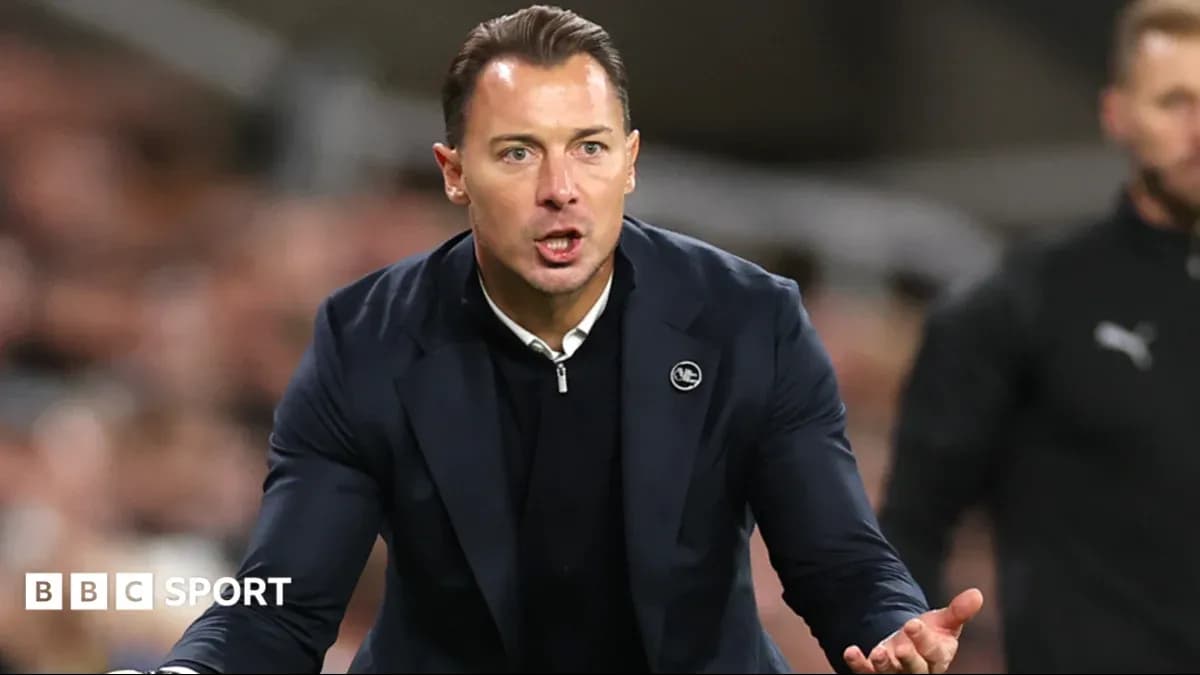
Matthias Jaissle was hired to bring a sharp, modern edge to a club reshaped by five years of Eddie Howe. Newcastle paid Al-Ahli £9.5m in compensation to get him, seduced by a CV built on consecutive Asian Champions League titles and earlier success with Red Bull Salzburg.
Seventy-nine days into his reign, the Premier League is proving a very different test.
Newcastle travel to Crystal Palace on Sunday with three defeats in their last four league games. They were booed off after last weekend’s home loss to Aston Villa. Before that came back-to-back 4-1 away hammerings at Leeds United and Coventry City.
“The pressure will seriously be on if they don't get a result at Palace,” says Charlotte Robson from the True Faith Newcastle United podcast. The table backs that up. Eight points from seven games, only two wins – at Tottenham and at home to newly promoted Hull City – is not the start anyone on Tyneside imagined.
Identity lost, cutting edge missing
Under Howe, Newcastle had a clear personality: aggressive, front-foot, emotionally plugged into the crowd. Under Jaissle, that picture is blurred.
Supporters have voiced concerns about a lack of identity, and the numbers on the pitch are unforgiving. Newcastle are conceding an average of two goals per league game. Fourteen shipped already; only Crystal Palace (17) and Ipswich (15) have let in more. They have not kept a home clean sheet in 16 games in all competitions – the longest such run in the club’s history.
At the other end, the Villa defeat laid bare how blunt they can look. One shot on target in 90 minutes at St James’ Park, their lowest tally in a home Premier League game since August 2024. It came not from a forward, but from centre-back Sven Botman. By the end, Jaissle had thrown on another defender, Dan Burn, and used him up front.
Chris Sutton, watching for BBC Radio 5 Live, did not like what he saw. “There is not enough in the final third in terms of creativity and they have a vulnerability at the back,” he says. His overall verdict on Jaissle’s Newcastle is stark: “chaotic”.
When centre-halves are carrying the attacking threat and being repurposed as emergency strikers, supporters’ anxiety tends to follow.
The cost of cashing in
The turbulence of the summer is impossible to ignore. Newcastle did not just change manager; they sold the spine of Howe’s team.
Anthony Gordon went to Barcelona in a deal worth more than £69m. Sandro Tonali left for Tottenham in a move rising to £100m. A week later, Bruno Guimaraes joined Arsenal for £75m. Then, as the window closed, Kieran Trippier, 36 and one of the dressing room’s key leaders, also departed.
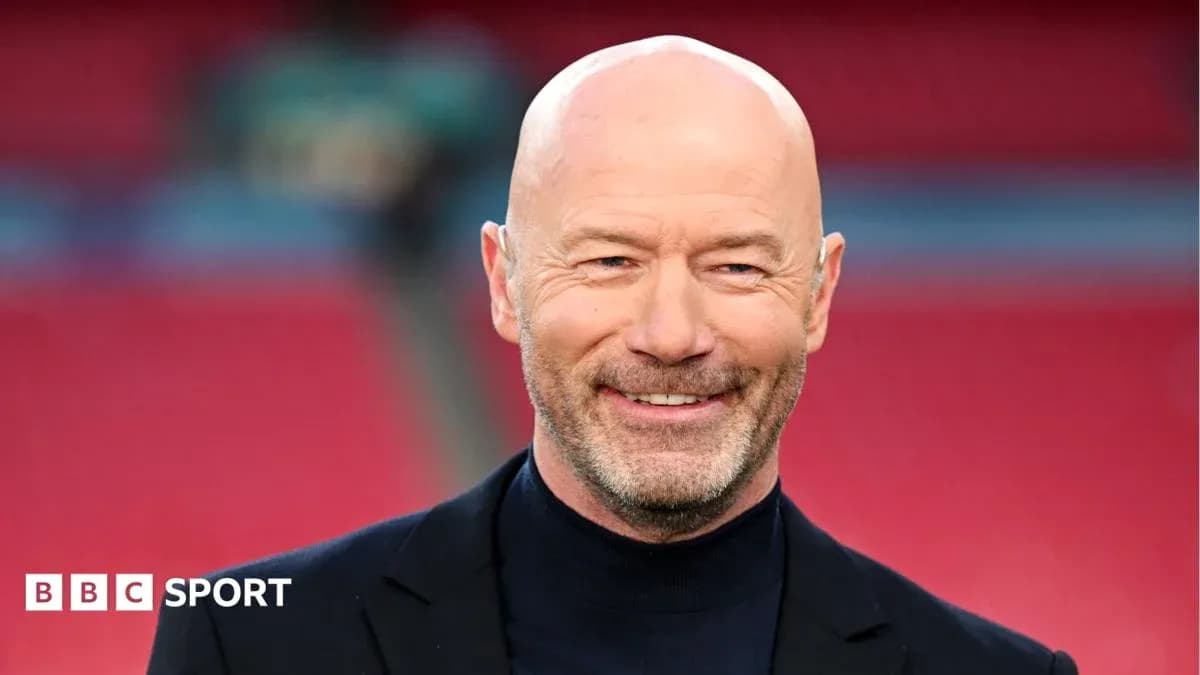
“You cannot keep on selling your best players and then hope to be in contention at the top of the table,” Alan Shearer warned back in July, speaking to BBC Sport after Howe stepped down. “Speaking purely as a fan, I think we have to get ready for a tough season and some very challenging times ahead.”
Seven games in, the club’s record goalscorer looks prescient.
Rory Smith, football correspondent of the Observer, put it bluntly on BBC Radio 5 Live’s The Monday Night Club: “If you had said at the end of last season Newcastle would lose Gordon, Guimaraes, Tonali and Howe, you would probably get this [eight points from seven games].”
Jaissle has walked into a dressing room stripped of some of its best players and most experienced voices. The recruitment strategy that followed only deepened the sense of a reset.
Youth, promise – and a gap in the here and now
Newcastle spent about £250m in the summer, but they shopped at the youthful end of the market. Many of the new arrivals are 21 or under. The upside is clear: energy, resale value, the promise of a team that can grow together.
The downside is just as obvious in the short term.
Ivory Coast winger Bazoumana Toure and French midfielder Aladji Bamba are yet to start a Premier League game despite being fit. Sean Steur, an 18-year-old who impressed when he started against Hull in September, has not played a minute since.
“The profile of the players Newcastle signed in the summer, and it may well bear fruit in time... they went very young and relatively inexperienced,” says Smith. “They didn't go out and sign a load of established Premier League players.”
Up front, the picture is even more complicated. Newcastle are still wrestling with the fallout from losing Alexander Isak to Liverpool in a British record £125m deal almost 14 months ago. There is an argument they have not properly replaced Callum Wilson either; he left in the same summer as Isak.
Yoane Wissa arrived as Wilson’s replacement, Nick Woltemade as the man to fill Isak’s boots. Woltemade, signed in a club-record deal worth up to £69m in August 2025, is now on loan at Juventus. Wissa, back from injury, has struggled to find rhythm or consistency.
“Newcastle fans have every right to be a little bit concerned,” says Sutton. “They didn't look like scoring against Villa and that is what really concerns Newcastle fans.”
When your most dangerous efforts are coming from centre-backs and your big-money No 9 is in Turin, concern feels like the mild word.
Jaissle’s tightrope
For all the noise outside, the mood at the top of the club is calm. Chief executive David Hopkinson and sporting director Ross Wilson are not panicking. Jaissle is expected to be given time. The line from within is that this is a project, not a quick fix.
Robson shares some of that patience. She points to the “summer of upheaval” and the scale of the transition. Yet even she concedes the questions are getting louder.
“There are more questions being asked now,” she says. “At the start of the season it was made clear in interviews we wanted to be an aggressive attacking team. We are not there yet, we're still working it out.”
That gap between words and reality is where the tension lies. Jaissle arrived with a reputation for high-energy, structured attacking football. Newcastle, right now, look anything but. They are open at the back, short of ideas in the final third, and struggling to impose themselves in games the way Howe’s side once did.
The fixture list offers little room for drift. After Sunday’s trip to Selhurst Park, Newcastle face Everton three times in quick succession: away in the last-16 of the Carabao Cup next Thursday, then at home in the league on 2 November, before a visit to Fulham five days later.
Jaissle will not want to reach the international break without a win in six league and cup matches. Nor will the stands tolerate many more afternoons like Villa.
Newcastle’s social media team can keep posting those clips of Keegan’s entertainers and Shearer thundering in goals against title rivals. The memories still stir the blood. But nostalgia does not win points, and it does not buy managers time.
In south London on Sunday, in front of a restless away end and a Palace side fighting their own fires, Jaissle needs something more tangible than history. He needs a performance that looks like the future.