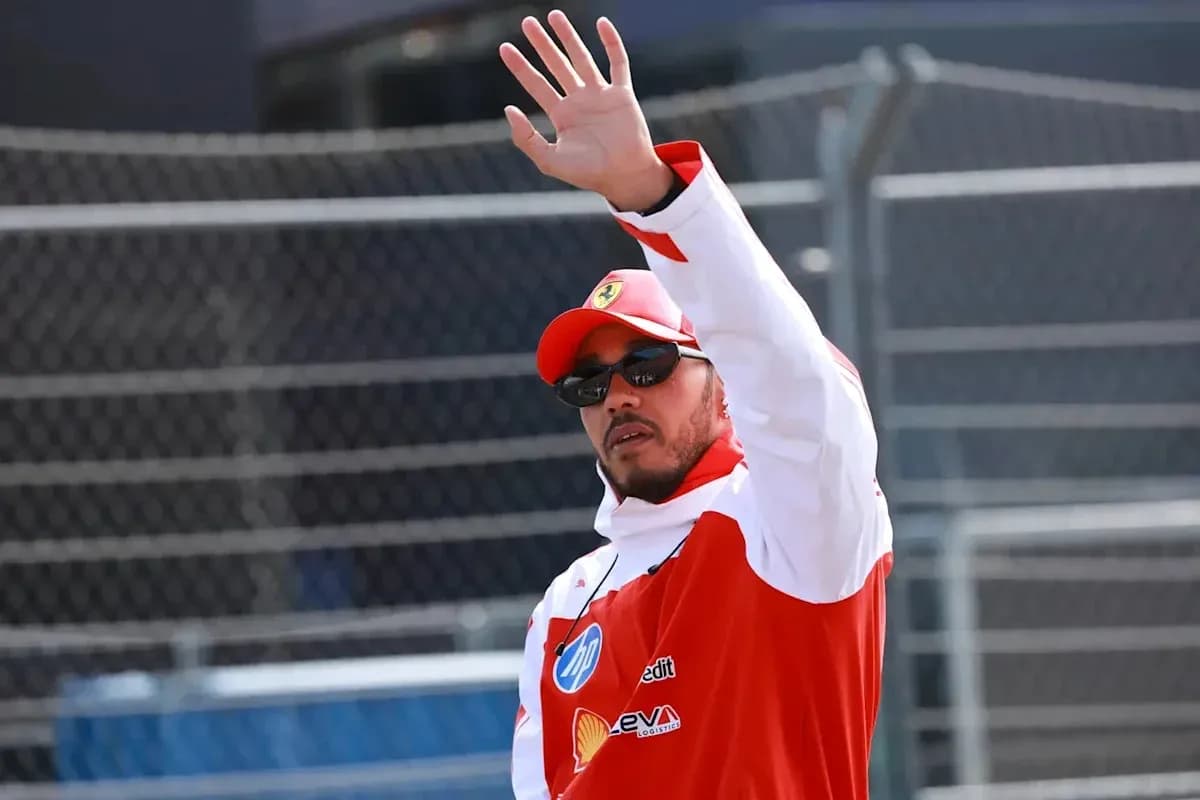
Ralf Schumacher Critiques Hamilton's Ferrari Outburst
Lewis Hamilton left Zandvoort with more than just points and frustration. He left with a public debate over how a seven-time world champion should carry himself when the pressure boils over.
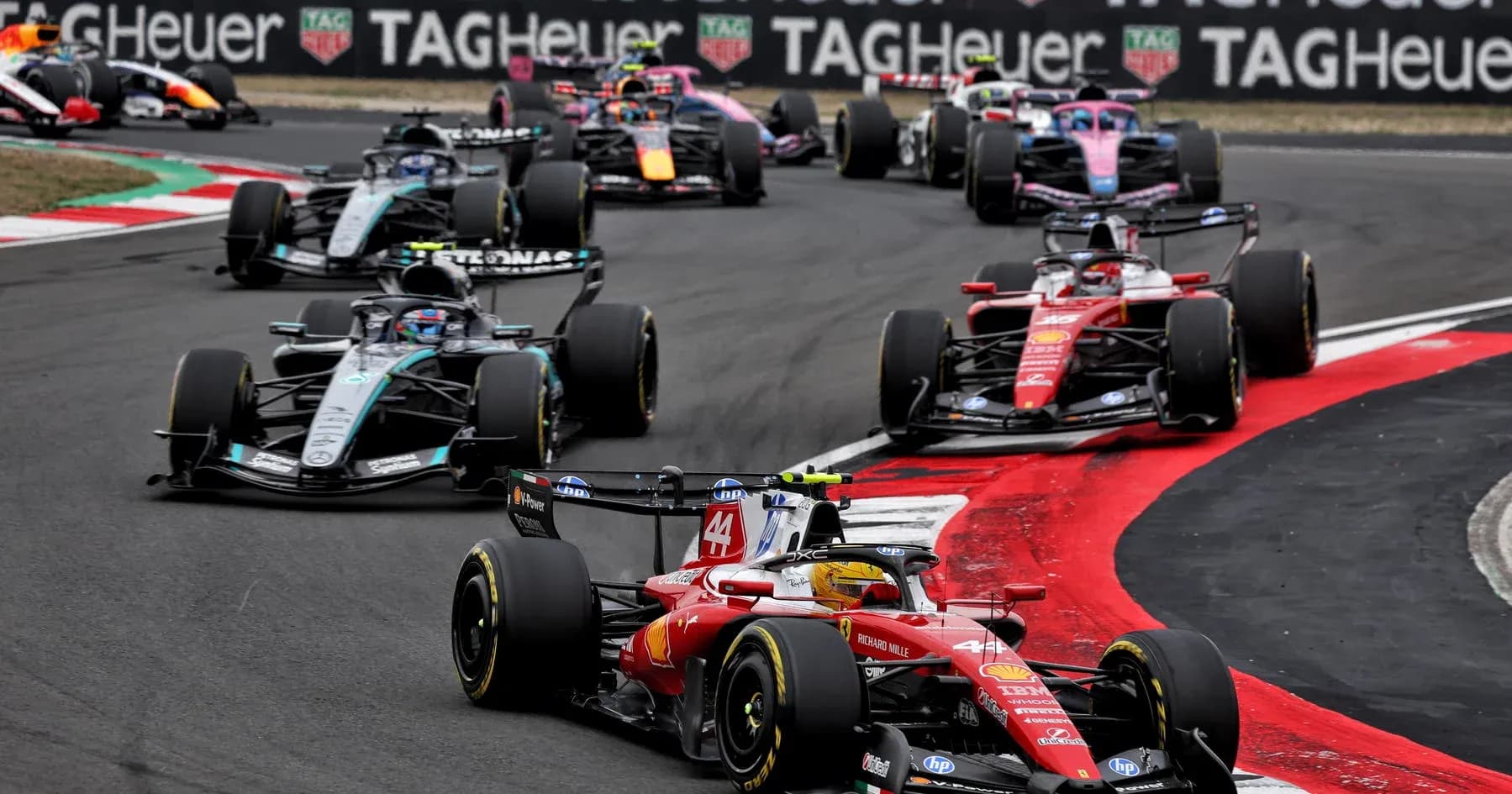
Lando Norris may have taken the win, but Hamilton’s radio outbursts at Ferrari were the soundtrack of the Dutch Grand Prix. Lap after lap, as he sat behind Charles Leclerc and watched his race slip away, the Briton lit up the airwaves, questioning strategy, track position and the time being lost in red traffic.
By Monday, the tone had changed. Hamilton took to social media to apologise for the way he had vented, admitting the heat of battle had got the better of him. He stressed his commitment to Ferrari, underlining that the anger came from a burning desire to maximise the result, not from any loss of trust in the people on the pit wall.
For Ralf Schumacher, that wasn’t quite enough.
“At His Age and With His Standing…”
Speaking on the Backstage Boxengasse podcast, the former Formula 1 race winner said he understood the raw emotion in the immediate aftermath of a tense race. Drivers live on adrenaline; tempers flare. But Hamilton, he argued, is no rookie finding his way.
“I can understand a certain amount of frustration. That's always there as a driver, and especially immediately after the race, the emotions are still there,” Schumacher said. “But at his age and with his standing, you could handle it a little differently. Especially when it comes to criticising the team publicly.”
That was the heart of Schumacher’s point: not that Hamilton had no right to be annoyed, but that someone of his experience and status should have exercised more restraint once the visor came up and the microphone went live.
Schumacher then flipped the perspective. In his view, Ferrari currently owes Hamilton less patience than Hamilton owes Ferrari.
“I think that particularly applies to him, considering that last year he really didn't help the team. I think the team still has a little more credit in the bank than he does. You can handle that differently,” he added.
Those comments cut to the core of the Ferrari–Hamilton relationship. The team has backed a huge signing and ridden out a difficult first season. Schumacher’s message was simple: that kind of faith deserves calmer handling when strategy calls don’t land perfectly.
He also pointed to the unique atmosphere inside Ferrari, and especially within the Italian racing culture. In the paddock, he noted, there are whispers that this is the first time the Italians feel a driver sees himself as bigger than the famous red brand. In Maranello, that perception matters.
How “One Lap More” Lit the Fuse
On the other side of the garage door, team principal Frederic Vasseur moved to clarify how the situation spiralled in the first place.
Speaking after the race, Vasseur admitted Ferrari’s communication with Hamilton at Zandvoort was not sharp enough, even if he stood by the core strategic choices made under pressure.
The plan was initially straightforward. Ferrari expected Hamilton to pit once he caught Leclerc. Then traffic complicated everything. As Hamilton closed in, the pit wall asked him to stay out for one more lap. That single extension shifted the strategic picture and boxed Ferrari into a corner.
The team could hardly ask Hamilton to remain on track again while at the same time orchestrating an immediate position swap with his teammate. The timing simply didn’t work. The moment passed, and with it, the cleanest route through the strategy puzzle.
Looking back, Vasseur admitted that a different call around lap 46 might have delivered a better result. The kind of decision that looks obvious on Monday morning and anything but on Sunday afternoon. His bigger criticism lay elsewhere.
For Vasseur, the real failure was clarity. Hamilton, he said, had not been properly informed that Ferrari now expected him to run to the end rather than just push for a short, aggressive stint. The driver thought he was attacking in one scenario; the team had quietly moved to another.
That disconnect is what turned tension into fury and sent Hamilton’s voice crackling around the world.
So the question lingers over Ferrari and its star signing: does this flashpoint become a line in the sand, or just another sharp edge in a partnership still trying to find its rhythm under the brightest spotlight in Formula 1?