Rashid Latif criticizes PCB after Pakistan's Lord's defeat
Rashid Latif has never been one to pull his punches. After Pakistan’s 194‑run hammering at Lord’s, he didn’t even bother with the gloves.
The former wicketkeeper-batter launched a ferocious attack on the Pakistan Cricket Board (PCB), the selection committee and the coaching staff, branding the current set-up among the worst the country has seen in half a century, as Babar Azam’s side slid to a series defeat with a Test to spare.
England’s victory at Lord’s sealed an unassailable 2-0 lead in the three-match series and deepened the sense of crisis around Pakistan’s tour of the UK. The margins have not just been big; they’ve been bruising. With the bat, Pakistan have barely landed a blow.
“Worst in 70 years”: Latif turns fire on the board
While the British press has lined up to describe this as the weakest Pakistan side in decades, Latif argued the spotlight is pointed in the wrong direction.
“Everyone is talking about the Pakistan team, and how it is the worst touring team in the last 50 years. But nobody is speaking about how the current board is the worst in the last 70 years. Nobody is talking about the worst selection committee and coaches,” Latif said on Geo News.
He didn’t stop there.
“If you combine these issues, you will get the answer to your question. You will know who has ruined this team. Now you are losing consistently. This is the worst cricket board, that’s a fact,” he added.
The message was blunt: don’t just blame the players. Latif laid the responsibility squarely at the feet of those picking the squad, running the dressing room, and shaping the direction of Pakistan cricket.
Batting in freefall
On the field, the numbers are damning enough. Across the first two Tests, Pakistan have not crossed 200 in a single innings. In English conditions, with a quality attack, that can happen once. Twice in succession, with barely a partnership of substance, points to something deeper.
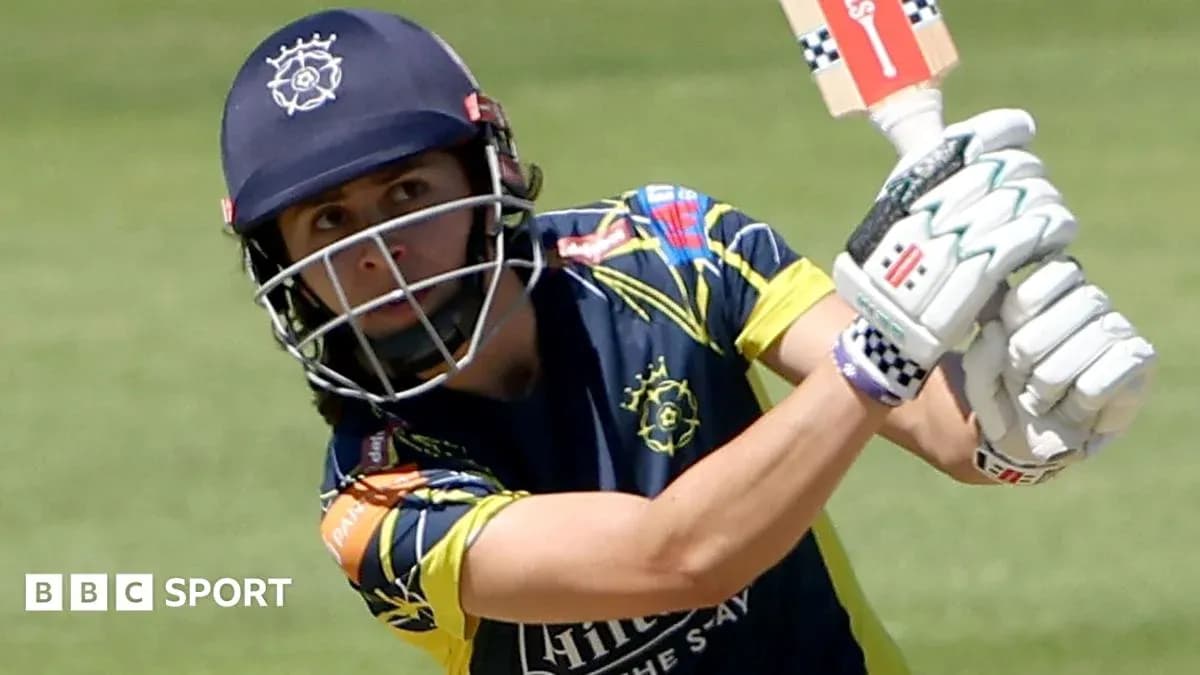
Babar Azam’s return at Lord’s was supposed to steady things. He had missed the opening Test, and his presence at No. 3 or No. 4 usually offers Pakistan a measure of calm. Instead, his comeback only underlined the chaos.
Eight in the first innings. Six in the second. No authority, no statement, just two brief visits to the crease that ended with more questions than answers.
His dismissal in the second innings captured the mood. Jofra Archer dug in a sharp short ball, Babar fended awkwardly, and the edge or miscue only tightened the noose around a batting line-up already gasping for runs. When your premier batter looks that uncomfortable, the dressing room feels it.
The collapses have become a pattern rather than an accident. Top-order wickets early, a brief resistance in the middle, the tail exposed by lunch or shortly after. England have smelled blood every time.
Off-field storm at Lord’s
The Lord’s Test carried a different kind of tension as well. An 18-minute interview with Imran Khan’s sons, aired by Sky Sports and focused on the former Pakistan captain and prime minister’s imprisonment, stirred political and emotional undercurrents far from the middle.
Reports emerged that the PCB had even threatened to pull Pakistan out of the Lord’s Test over the broadcast. That claim, explosive as it was, hung over the match.
Babar Azam and head coach Sarfaraz Ahmed publicly denied that Pakistan had considered withdrawing. They insisted the team remained committed to playing. Still, the noise around the interview added another layer of distraction to a tour already fraying at the edges.
Edgbaston or embarrassment?
Now comes the hard part: trying to salvage something from a series already gone.
The third and final Test at Edgbaston in Birmingham starts on September 9. The scoreboard pressure is gone; the series is lost. But the psychological weight is heavier than ever. Pakistan are not just fighting England anymore. They are fighting the narrative that this is the worst touring side in 50 years, and that the structure above them is even worse.
Avoiding a 3-0 whitewash is the immediate target. Ending a miserable tour with a performance that hints at resilience, pride, and some semblance of direction is the broader aim.
Latif’s words will not be forgotten quickly. The question now is whether Pakistan’s players, and those running them, have any kind of response left — on the field or off it.