Real Madrid and Referee Tensions: Mourinho's Absence from Key Meeting
The 2026-27 season is barely a month old and Real Madrid are already at war with the whistle. What began as muttering over early-season calls has erupted into a full-blown institutional conflict, fuelled by a chaotic Madrid derby and now spilling into the corridors of Spanish football power.
Derby flashpoints that lit the fuse
At the heart of the storm sits Ortiz Arias. His handling of the derby has been dissected from every angle, and Madrid feel the decisions cut in only one direction.
Dean Huijsen’s red card became the central flashpoint, the moment the temperature inside and outside the stadium soared. Madrid saw it as excessive, a decision that changed the game and, in their view, not applied with the same severity to Atletico.
Because while Huijsen walked, two Atletico players stayed on the pitch. Cuti Romero and Kang-In Lee were both involved in incidents that Real Madrid believe merited red cards of their own. Neither saw more than the referee’s leniency.
Then came the handball shout. Marc Pubill, inside his own box, with the ball striking his arm. No penalty. No review given the weight Madrid expected. Another decision logged in a growing internal file of grievances.
By the final whistle, the football had long since given way to fury.
Mourinho turns up the volume
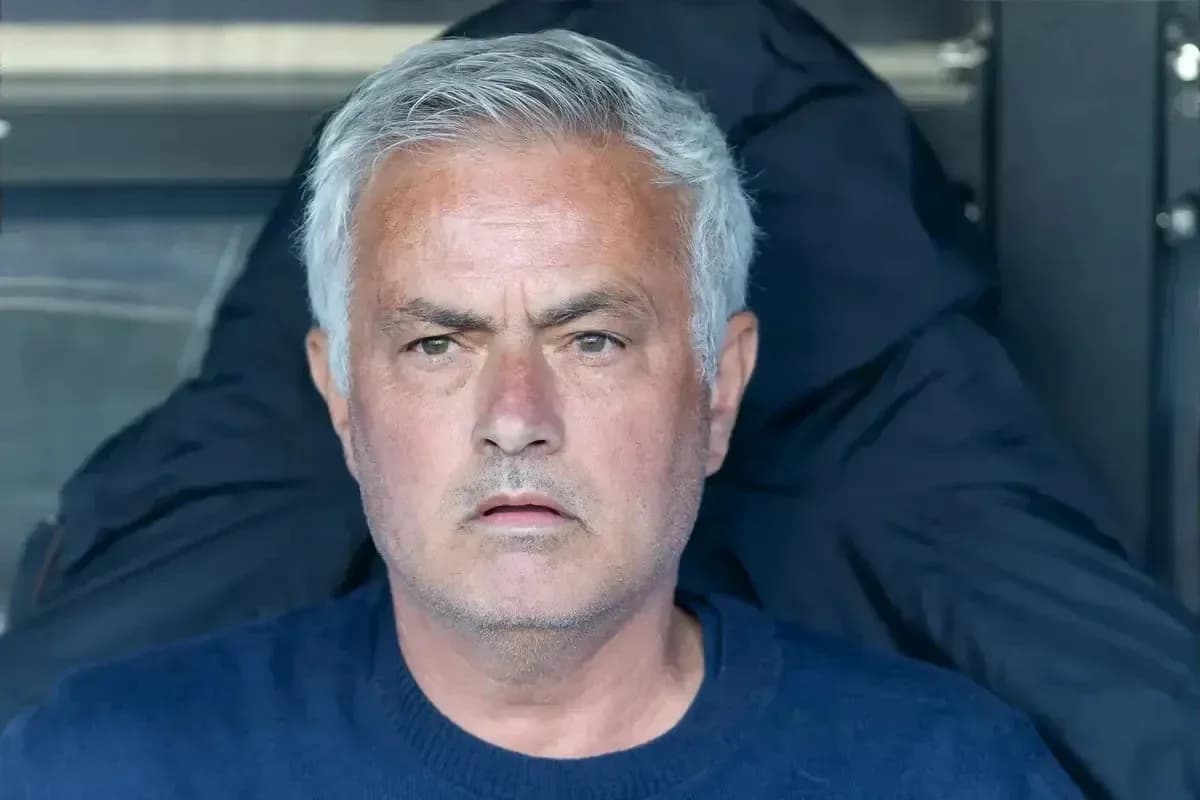
If the derby ignited the tension, Jose Mourinho poured fuel on it afterwards.
The Real Madrid coach launched a fierce attack on the federation and the officials responsible for the match. His words were not measured, not diplomatic. They were designed to sting, and they did.
This is not new territory for Mourinho, a man who has built much of his career on challenging authority when he feels his team are being wronged. But the timing and the ferocity of this latest broadside have pushed the issue from the pitch to the institutional agenda.
On Tuesday, an annual coaches’ meeting was scheduled, a rare space where managers from Spain’s top two divisions sit down and air their concerns. Refereeing and finances usually dominate the conversation. This year, the referees were always going to be the headline act.
An empty chair where Mourinho should be
Mourinho will not be there.
As reported by Diario AS, the Real Madrid coach has already communicated that he will skip the meeting and has explained his reasons. His absence is striking. This is exactly the forum where complaints are normally channelled, softened, turned into proposals rather than accusations.
Instead, the most high-profile critic of the current refereeing climate is leaving his chair empty.
Traditionally, the big three – Real Madrid, FC Barcelona and Atletico Madrid – are represented. Their presence gives the meeting weight and, often, direction. Diego Simeone almost never misses these gatherings, yet this year even his attendance is in doubt due to personal reasons.
Hansi Flick, by contrast, will be there. The Barcelona coach steps into a room that will be missing two of its most influential voices, at a moment when the debate around referees has rarely been so charged.
A league under scrutiny
The clash between Real Madrid and the refereeing establishment is no longer a background grumble. It is public, raw, and highly political.
The CTA, RFEF and La Liga now find themselves under pressure to respond, not with statements but with measures that convince clubs their concerns are being heard. The stakes are obvious: the credibility of one of Europe’s flagship competitions.
When a club of Madrid’s stature openly questions the integrity and consistency of officiating, the issue does not stay confined to Spain. It travels. It shapes how the league is viewed abroad, how every major decision is interpreted, how every referee walks onto the pitch knowing his performance will be framed by a wider narrative of mistrust.
The coaches’ meeting was supposed to be a safety valve, a place to lower the temperature. Instead, with Mourinho absent and Simeone unlikely to appear, it risks becoming a symbol of the fracture.
The season has barely begun. The football should be setting the agenda. Instead, the question now is whether Spanish football’s institutions can get ahead of this conflict before the next whistle blows and the next controversy explodes.