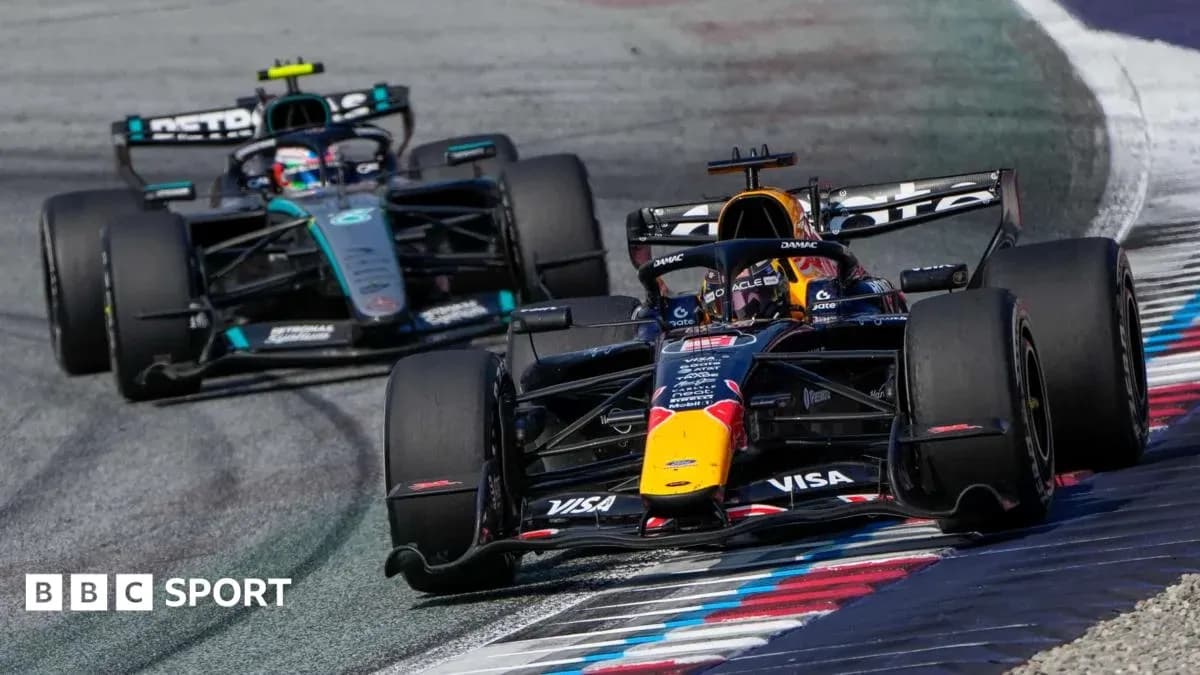
Red Bull's Engine Ranked Most Powerful Yet Faces Controversy
Red Bull have again been told they possess the most powerful engine in Formula 1 – and they could hardly be less pleased about it.
In the latest rankings issued by governing body the FIA, the team’s power unit has once more been classified as the benchmark for outright combustion power. The verdict mirrors the findings from three months ago and, crucially, shuts the door on Red Bull’s hopes of being granted extra scope to upgrade their engine under the new rules.
On paper, that sounds like a compliment. In reality, it’s a problem.
A system designed to help the strugglers
This year’s hybrid-era regulations introduced a new mechanism aimed at levelling the playing field between engine manufacturers. The idea is simple enough: if a power unit is judged to be significantly down on performance, its maker is handed additional development and upgrade opportunities – the FIA’s so‑called Aduo programme – to help close the gap.
Every power-unit supplier signed up to the scheme. Everyone agreed to the criteria. But the execution has proved anything but straightforward.
The key detail sits in the small print. The Aduo assessment looks only at the internal combustion engine – the traditional engine block – when calculating who is ahead and who is behind. It ignores the electrical side of the modern F1 power unit, even though those hybrid systems now account for close to half of the car’s overall performance.
So Red Bull, whose combustion figures top the FIA’s latest charts, are officially too strong to qualify for extra development. Yet around the paddock, many still point to Mercedes as the team with the best all-round power unit package.
That tension is where the controversy lives.
Power on paper, questions on track
The numbers say Red Bull’s internal combustion unit leads the field. The stopwatch tells a more nuanced story, with rival engineers long convinced that Mercedes’ blend of engine, hybrid deployment and efficiency remains the reference.
Because the Aduo scheme isolates only one element of the power unit, it can crown a “most powerful” engine that does not necessarily deliver the most complete performance on track. That distinction matters when almost half of the total output comes from the electrical systems that sit outside the scope of the FIA’s calculation.
For Red Bull, the ruling locks them into their current specification while others with a measured deficit can push on with upgrades. For their rivals, it reinforces a system they believe will, over time, drag the grid closer together.
The question now is whether a programme that measures only half the modern F1 power unit can truly balance the other half – or whether this ruling becomes the spark for the next big political fight in the hybrid era.