Stan Wawrinka’s Last Dance at the US Open
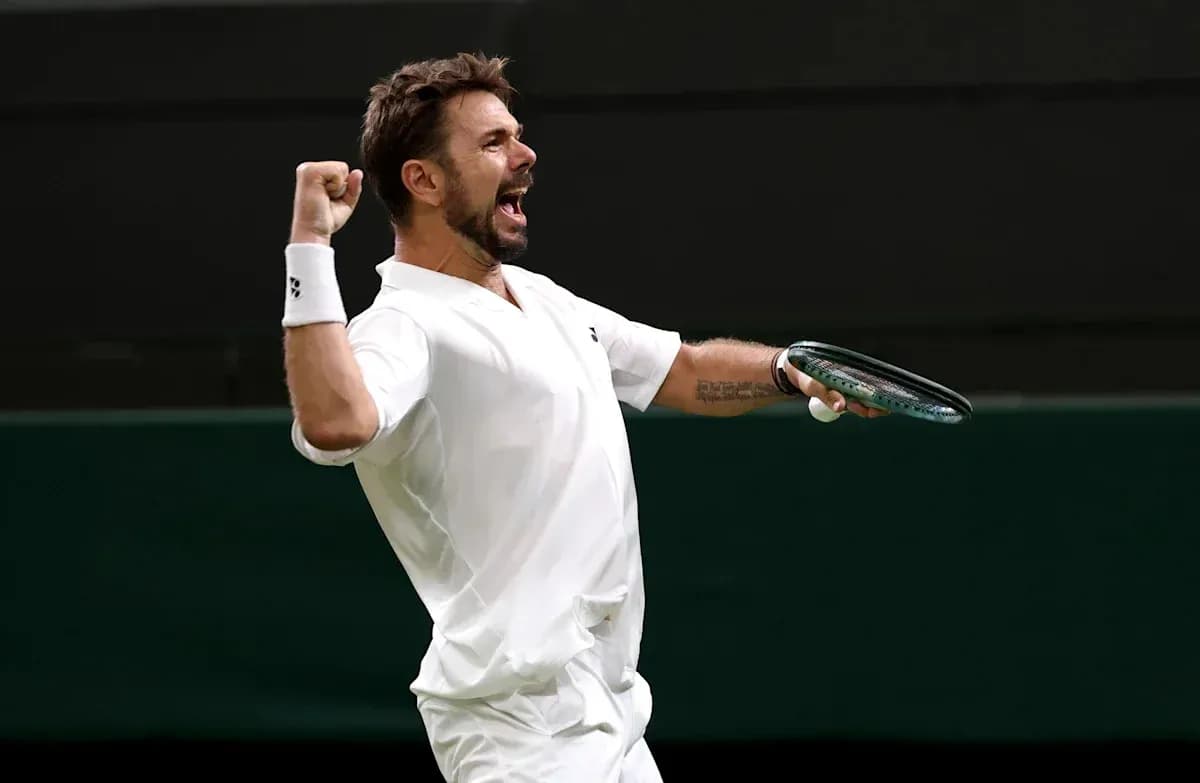
Stan Wawrinka will walk into the 2026 US Open knowing this is it. One last lap in New York, 10 years after the night he tore through Flushing Meadows and claimed the title that completed his late-blooming assault on tennis history.
For many, he has been background noise to the era of giants. For others, he has been the soundtrack.
The one-handed Swiss shot-maker has been a constant presence for 18 years, a familiar figure on the outer courts and the biggest stages, always lurking just beyond the glow of Roger Federer, Rafael Nadal and Novak Djokovic. Not the headliner, but the man who kept crashing the show.
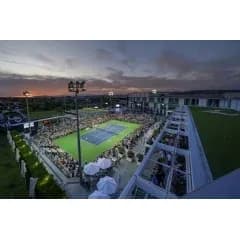
The first glimpse, for one fan, came in the California desert in 2008. The Pacific Life Open, now BNP Paribas, Indian Wells. A high-school freshman, a long drive with his father, and a quarterfinal that felt like a footnote at the time: Stanislas Wawrinka against a brash young Australian Open champion called Novak Djokovic.
Djokovic won that day, 7-6, 6-2. It was routine on the scoreboard. It would be anything but routine in the story that followed.
Wawrinka refused to settle for a supporting role. While Juan Martin del Potro punched through the wall once in New York in 2009, it was Wawrinka who built a body of work that could not be ignored: three Grand Slam titles, each carved out against the heaviest opposition on the biggest courts.
- Australian Open 2014.
- French Open 2015.
- US Open 2016.
Three different surfaces, three different fortresses breached, the same heavy, violent backhand ripping through the air like a signature.
At his peak, Wawrinka was a spectacle. Plenty of players owned elegant one-handed backhands; his felt like a weapon of blunt force. The stroke was not just pretty, it was punishing. The ball exploded off the Yonex frame he wielded in Melbourne in 2014, a racquet many fans still keep as a memento of that breakthrough fortnight.
His influence stretched beyond his own trophy cabinet. Federer’s Olympic doubles gold in Beijing in 2008 owed plenty to Wawrinka’s fire and resilience. Switzerland’s Davis Cup triumph in 2014 carried his fingerprints as much as anyone’s. He was never just the “other Swiss.”
The first major title changed everything. For one supporter watching from a student flat in Kirkstall, a suburb of Leeds, it meant a lost night of sleep and a lifetime of memories. Wawrinka beat an injured Nadal in four sets in that Australian Open final, a result that at the time felt like a glorious outlier. It didn’t stay that way. He backed it up with Roland Garros in 2015, then New York in 2016, each time flattening the idea that he was merely a one-off disruptor.
Now the circle closes where that third Slam was won.
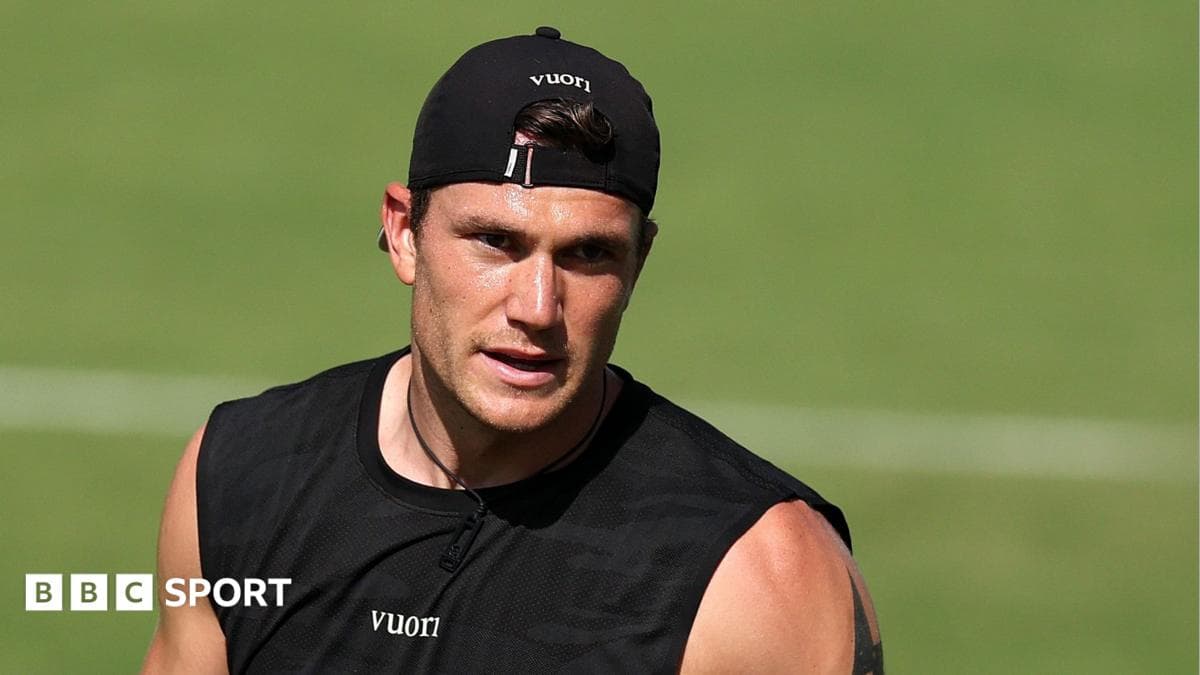
At this US Open, Wawrinka opens against Matteo Berrettini, a former Wimbledon finalist whose own career has been chewed up by injuries. It is the sort of match that sells itself: two big games, two battered bodies, two men trying to squeeze one more surge out of careers that have taken a pounding.
If Wawrinka finds a way through – and at this stage of his journey that is a towering ask – Djokovic likely waits in round two. The same Djokovic he stunned in the 2015 French Open final, the same Djokovic he took apart in the 2016 US Open final. Their rivalry never matched the volume of the sport’s headline acts, but when Wawrinka was dialled in, he turned the Serb’s dominance into something fragile.
This is the disorienting part of tennis. In club football, heroes fade but the shirt remains. Harry Kane leaves, Moussa Dembele retires, yet Tottenham Hotspur still run out every weekend. The crest survives the turnover. The team is the constant.
Tennis offers no such cushion. The sport is its players. When they go, they don’t get replaced, only remembered. Maybe they reappear in a coaching box like Juan Carlos Ferrero, but that is an echo, not a continuation.
When a tennis player retires, the curtain really does fall. There is no rebuilding phase, no transfer window, no promise of a like-for-like signing. The tour keeps rolling, indifferent, and the names on the order of play change. One day it’s Wawrinka and Djokovic; the next it’s Flavio Cobolli, Sandro Tonali, Savio. The wave doesn’t slow down so you can adjust.
Fans either learn to ride it or get left behind.
Wawrinka has ridden it as long and as hard as his body has allowed, through surgeries, slumps and resurgences that would have broken lesser players. He leaves behind three majors, an Olympic gold in doubles, a Davis Cup, and a backhand that will live in highlight reels for as long as the sport is shown.
He also leaves behind something less tangible but just as real: the feeling that, at his best, the established order was never entirely safe.
Now he steps into his final US Open with that same stubborn defiance that defined his rise. One more draw. One more night session, perhaps. One more chance to let that backhand fly under the New York lights.
Go get them, Stanislas Wawrinka.