Stephen Fleming's Vision for England's Ashes Campaign
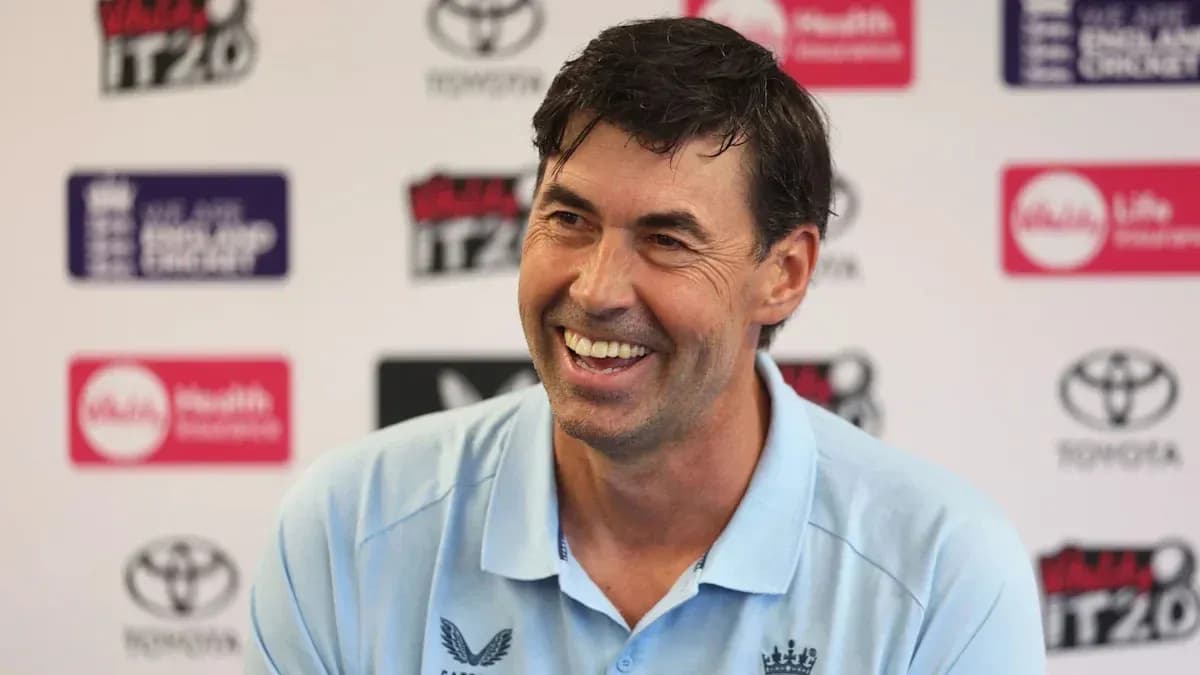
Stephen Fleming walked into his first media briefing as England’s new Test coach and went straight to the heart of it.
The Ashes.
Not South Africa in December. Not culture, not reset, not “process”. Australia.
“I have an obsession with it as well,” he told BBC Sport when asked if England care too much about beating their oldest rivals. “New Zealand has an obsession with it, we love it. We want to beat the Aussies.”
For a man who never beat Australia in 14 Tests as New Zealand captain, it sounded less like a soundbite and more like unfinished business.
A Kiwi with England’s Ashes itch
Fleming arrives from the same cricketing outpost that produced Brendon McCullum, but he framed New Zealand in typically dry fashion: “the little cousin” to Australia. That cousin, he pointed out, has grown up with a deep, almost generational urge to knock over the big neighbour – and, by extension, a vested interest in how England fare.
“We’re heavily linked to England performances,” he said. “We have a deep desire to beat Australia in everything, as the little cousin. We are linked, and I’m incredibly excited about being part of it.”
Next summer’s Ashes in the UK looms large. England have not won a series against Australia since 2015 and are still smarting from last winter’s 4-1 hammering down under, a series that helped end McCullum’s reign after just two wins in his final 10 Tests.
Fleming has walked straight into that context and embraced it. “You don’t think you’re ever going to get that opportunity,” he said of leading an Ashes campaign. “To have that opportunity and be part of it, I can’t wait.”
The language was ambitious, almost idealistic. “I want to be my best self and have a team that represents itself in the best possible way. I’ve got a vision of that and it’s aspirational. It will be brilliant.”
The message was clear: this is not a man easing himself in.
From Bazball to something colder, sharper
If McCullum’s tenure was defined by risk and romance, Fleming’s early words hinted at something more calculating.
He knows McCullum as well as anyone – a former team-mate, a long-time friend, a business partner. Asked to explain the difference between them, Fleming reached for a gambler’s metaphor.
“I’ll bet on the favourite and he’ll bet on the longest odds possible.”
That one line cut through a year of debate around “Bazball”. Under McCullum and Ben Stokes, England thrilled, then stalled. The criticism grew familiar: a refusal to adapt to conditions, a lack of detail, a belief that style could trump circumstance.
Fleming sounded like a man intent on stripping away the branding.
On whether a Test side should have a named “brand” or fixed style, he was blunt. “I don’t think so. The greatest thing for a team to do is to be able to play conditions and situations.”
He does not want a slogan. He wants respect for the basics.
“I’d love people to say we are well-planned, there’s a discipline and a really strong basic structure to what we’re doing, but there’s also a bit of flair.”
The flair stays. The percentages move to the front of the queue.
Discipline, late nights and a line in the sand
McCullum’s final months were overshadowed by headlines that had nothing to do with cover drives or reverse swings. Late-night drinking stories clung to the dressing room and did not vanish with a change of coach.
On Friday, Derbyshire Police confirmed they had closed an investigation into England fast bowler Brydon Carse after allegations of assault last month. No criminal action will follow, but Carse now faces a Cricket Regulator investigation and has not featured in any England squad since the incident.
Fleming did not name him, but the direction of travel was obvious.
“There are standards,” he said. “We pick on runs and wickets primarily, but I think it’s foolish not to also say there are standards that need to be set.
“You need to behave in accordance with your position. We’re in a very privileged position, and it’s understanding that privilege and what goes along with it. It can’t be convenient. You can’t be when it suits you to do the right things, then when you don’t want it to suit you, not.
“You’ve got to live it every day. If we can create something when you want to live it every day and better, then that’s really powerful.”
The words were measured, but the line was firm. Runs and wickets will get you noticed. Behaviour will decide if you stay.
Stokes, respect and a door that stays shut
Fleming has wasted no time embedding himself in the English game. He watched England beat Sri Lanka in the third T20 at Old Trafford on Saturday, toured county grounds earlier in the week and met Ben Stokes during Durham’s draw with Worcestershire.
The easy storyline would have been a charm offensive, a new coach trying to tempt England’s former Test captain out of his sudden retirement from international cricket in July.
He shut that down.
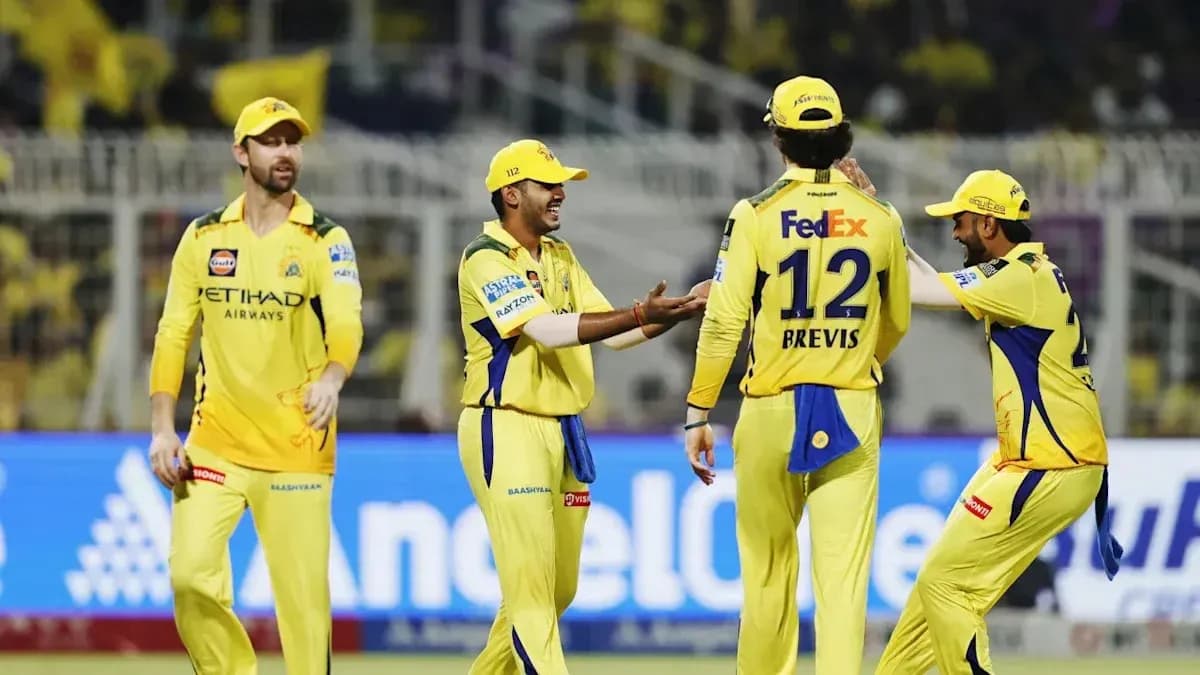
Stokes, who worked under Fleming at Chennai Super Kings in the IPL, is planning a winter with his family and, according to the coach, looked “really happy” and “very much at peace” with his decision.
Fleming would not push.
“When a player makes that decision to retire, I respect that decision 100%,” he said. “To try to turn that around and question that is wrong. I know how much goes into that type of decision, and I respect that.”
No hint of arm-twisting. No public lobbying. Just acceptance that some doors, once closed, stay closed unless the player himself reaches for the handle.
‘Stress fracture of the left ear’ – and no time for ‘Flemball’
For all the talk of discipline and structure, Fleming did not present as a dour technocrat. Those who feared a joyless corrective to McCullum’s freewheeling approach will have noted the humour.
He joked that he has a “stress fracture of the left ear” after weeks of phone calls with players and staff. He laughed about occasionally arriving in fancy dress to lighten the mood at Chennai Super Kings.
And when the inevitable label arrived – “Flemball” – he dismissed it with a quip: a “medical condition”, not a manifesto.
The contrast with McCullum is still striking. Where his friend often chased the long shot, Fleming looks far more likely to play the odds, respect the World Test Championship, and grind his way through series rather than try to blast them open in a session.
Those close to the set-up have already described their dynamic as “big brother” and kid sibling. England’s split-coaching model has misfired before, but this pairing might just work: McCullum still in charge of the white-ball side, Fleming taking the red-ball reins with the air of a grown-up called in after a wild party.
He missed the Pakistan series because of family and commercial commitments. That absence has only added to the sense that his tenure truly starts now.
South Africa in December will be the first hard evidence of what his England actually look like. Assured? Mature? Less fun? Possibly. More successful? That is the standard Fleming has just set – and the Ashes clock is already ticking.