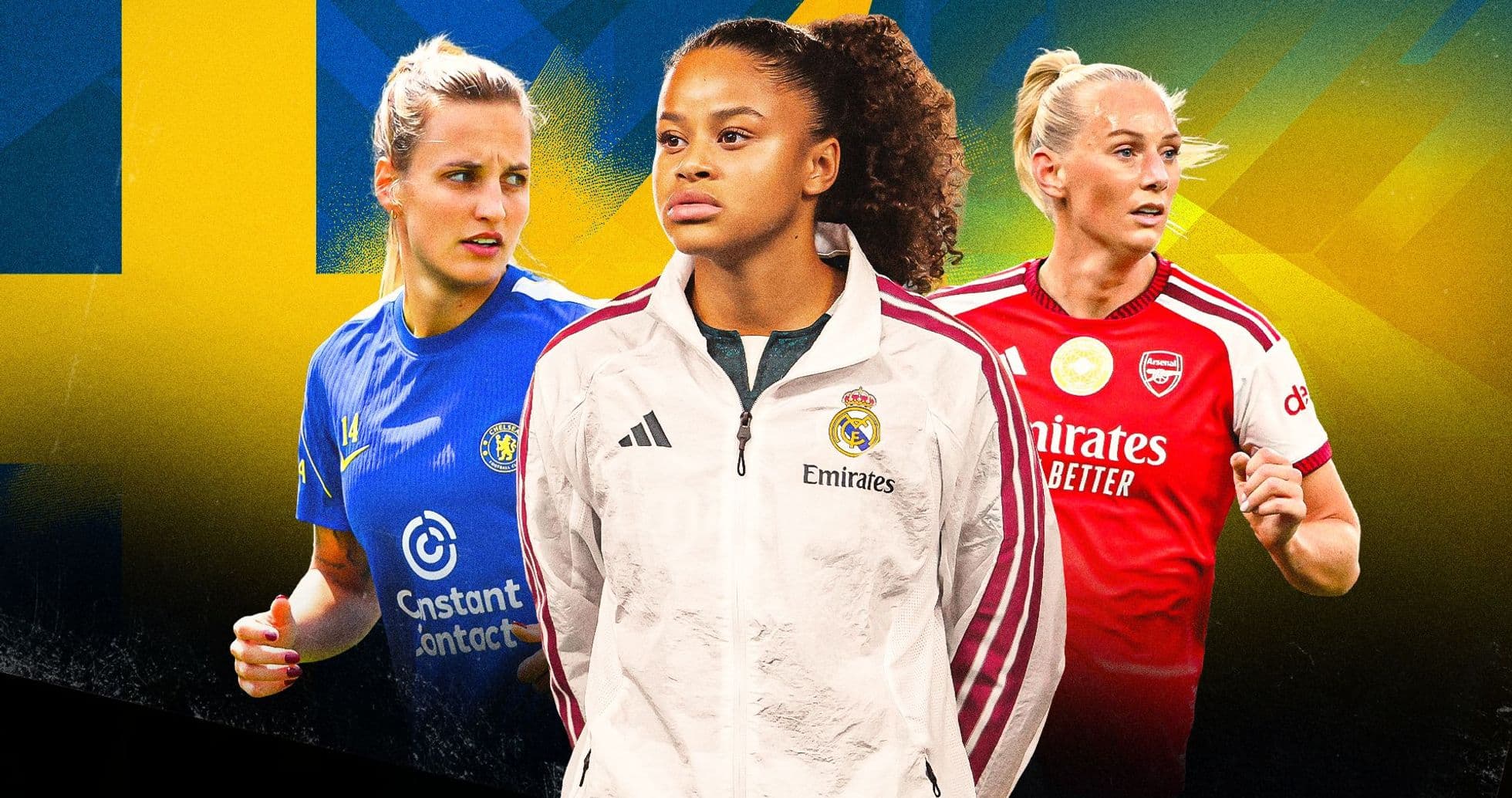
How Sweden's Damallsvenskan Manages Its Role as a Top Talent Supplier to the WSL and Beyond
Sweden’s Damallsvenskan: A Talent Hotbed for Bigger Leagues
Once considered the premier women’s football league globally, Sweden’s Damallsvenskan has shifted into a role where it regularly supplies top talent to larger leagues, especially England’s Women’s Super League (WSL). Clubs often lose key players mid-season, yet they consistently adapt and remain competitive. How do they manage this constant outflow?
Expecting Player Departures
Christian Lundstrom, head of women’s football at Swedish champions Hacken, reflects on the club’s history of losing talent to bigger leagues. The squad once included stars like Felicia Schroder (Real Madrid), Stina Blackstenius (Arsenal), and others now spread across Europe’s top clubs. While the Damallsvenskan was the best league about 20 years ago—boasting icons like Marta—its position has evolved. It is now a prime recruitment ground for powerhouse leagues.
The WSL has tapped into Sweden’s league more than any other, bringing over 60 players since summer 2022. Names such as Blackstenius, Frida Maanum, and Nathalie Bjorn have made the leap. FIFA's 2026 transfer data highlights that Damallsvenskan clubs earned $4.2 million (£3.2m) from just 30 transfers during the summer window, topping all divisions in revenue from player sales, despite the WSL conducting 95 deals worth $3.97 million (£3m).
Facing Reality Head-On
Lovisa Strom, part of the sports team at Kristianstads DFF, explains how her club embraces the reality of losing players. Despite regular departures—including stars like Jutta Rantala and Beata Olsson—Kristianstads have placed in the top six in eight of the last nine seasons. They accept that while some players stay long-term, many join to develop and then move on. Planning around this expectation is key.
Long-Term Planning and Squad Balance
Hacken demonstrates this approach by planning two transfer windows ahead. They constantly evaluate potential signings for upcoming seasons, knowing player sales are inevitable. They aim for a balanced squad with experienced leaders, promising youngsters, and academy prospects ready to fill gaps. This mix reduces turnover and maintains competitiveness.
Eva Nystrom, former Hammarby player and Finland captain, credits her club’s stability to a strong team culture and clear principles. This framework minimizes disruption when key players leave, making transitions smoother.
Contracts and Player Relations Matter
Longer contracts are becoming more common as the women’s game grows, allowing clubs to secure transfer fees. When Felicia Schroder signed a deal with Hacken until 2029, Real Madrid had to pay a near-record fee a year later to acquire her. Lundstrom stresses the importance of honest communication with players about the club’s goal to develop and sell talent, not just hold onto them indefinitely.
Strom adds that Kristianstads keeps an open dialogue, welcoming moves abroad but also ensuring that selling clubs receive fair compensation for developing players.
Damallsvenskan’s Appeal Remains Strong
Despite being a feeder league, Damallsvenskan ranks highly in global league power rankings, just behind giants like the US, England, Germany, Spain, and Italy. It surpasses France and other European development leagues, attracting international players seeking exposure in UEFA competitions and quality football.
Nystrom notes the difference between Sweden and Finland’s leagues, emphasizing Sweden’s professionalism and European participation. Manchester City’s sporting director Therese Sjogran highlighted in 2021 the league’s environment for nurturing talent that eventually moves to bigger clubs—a truth still relevant today.
Club Culture and Player Ambassadors
Kristianstads prides itself on a supportive culture and close ties with former players, who act as ambassadors. Strom believes this positive reputation helps attract new signings. For example, Evelyne Viens, sold to Roma, would likely recommend the club to others considering joining.
Similarly, Hacken showcases its successful player development track record when recruiting new talent.
Challenges Beyond Transfers
While transfer fees like Schroder’s are exceptional, most sales bring smaller sums, which are nonetheless important, especially for independent clubs like Kristianstads. Developing a robust youth system is vital but challenging due to financial constraints and difficulty finding qualified coaches willing to commit full-time.
Erling Nilsson of FC Rosengard points out the struggle to fund youth coaching positions, given better-paying opportunities elsewhere. Moreover, top young players increasingly leave earlier to join elite clubs like Barcelona or Lyon directly, bypassing local teams.
Independent Clubs and New Competition
Of the 14 Damallsvenskan clubs, six operate independently without men's affiliates. Rosengard faces competition from Malmo FF, a men’s club that recently reintroduced a women's team and climbed swiftly into the top division. This challenges Rosengard’s ability to attract young talent who may prefer established men’s clubs with larger brands.
Lundstrom admits that clubs with men's teams have financial advantages, but clubs like Kristianstads focus on maximizing their own resources and strategies. In fact, Kristianstads is one of the few clubs breaking even or turning a profit in the league.
A Changed Landscape, But Still Competitive
It’s a far cry from 12 years ago, when Swedish clubs frequently reached Women’s Champions League finals. The bankruptcy of Tyreso in 2008 marked a turning point, with many big-name players leaving. Today, the Damallsvenskan is no longer the top women’s league but remains financially stable and a leading talent developer.
Recent successes include Hacken winning the inaugural UEFA Women’s Europa Cup final in 2026 and notable victories over Arsenal and Real Madrid. Most Swedish national team players have spent time in the Damallsvenskan, confirming the league’s ongoing importance.
Nathalie Bjorn, now with Chelsea, sums it up: “Something is done right in Sweden.”