Top Tennis Players Halt Public Prize Money Dispute with Grand Slams
Top Tennis Players Step Back from Public Prize Money Fight with Grand Slams
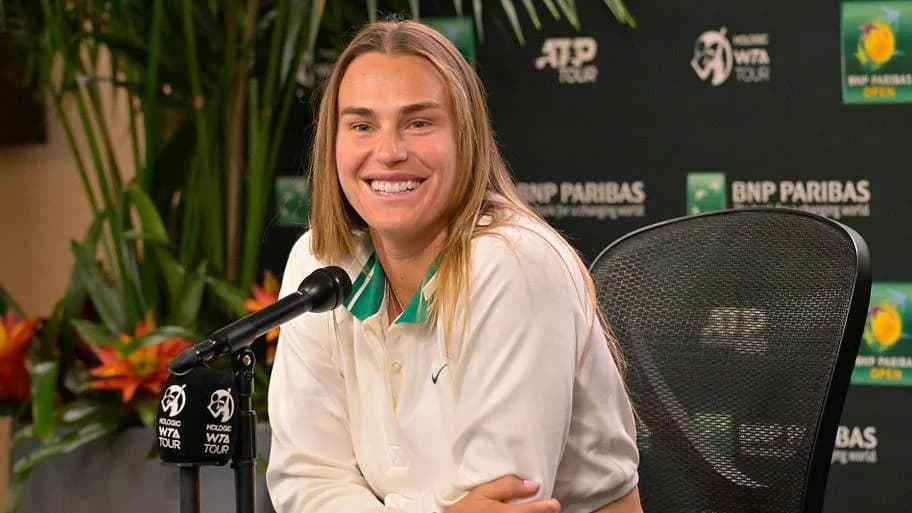
After more than a year and a half of tension, leading tennis players have paused their public dispute with Grand Slam organizers to concentrate on private talks. The group includes world number ones like Jannik Sinner and Aryna Sabalenka, who initially demanded better player welfare programs, an athlete advisory council, and a larger share of tournament revenue.
In August, the Grand Slam events created the requested player advisory council, marking progress for the athletes. This development encouraged players to end public protests and lift media restrictions by mid-September.
Player Requests and Progress
The advisory council represents a major step forward but does not conclude the conflict. Negotiations continue behind closed doors over key points such as athlete welfare funding and increased prize money.
Players had asked that prize money reach 22% of total tournament revenues by 2030, aligning with ATP and WTA 1000 event standards. Despite the 2026 U.S. Open boasting the largest prize fund ever at $108 million, this amounted to just about 18% of operating revenue. Other Grand Slams typically allocate between 14% and 16% of revenue toward prize money.
Athlete welfare remains a pressing issue, especially as playing conditions grow tougher. Jannik Sinner suffered severe heat illness at both the French and Australian Opens this year, with players like Novak Djokovic, Casper Ruud, and Lorenzo Musetti reporting similar struggles.
Timeline of the Dispute
- July 31, 2025: Players submit a formal proposal focused mainly on prize money, later expanding to welfare and advisory council demands.
- May 2026: Players limit press conferences to 15 minutes, symbolizing their roughly 15% share of Grand Slam revenue. Aryna Sabalenka notably cut short one conference, stressing fair earnings for all players, especially lower-ranked ones.
- Mid-2026: Media time restrictions remain the primary form of protest. Proposed match boycotts surface but are not executed. Wimbledon nearly faces a coordinated player strike, avoided through last-minute negotiations.
- September 14, 2026: Following the advisory council's formation, players end public protests after the U.S. Open.
Voices from the Tennis World
Carlos Alcaraz, ranked No. 2 in men's tennis, initially joined the campaign but stepped back before the U.S. Open. He emphasized his focus on welfare issues, citing grueling experiences like finishing a quarterfinal at 3:33 AM. Alcaraz mentioned plans to take longer breaks from competition, saying, "Maybe not four months, but one month, two months, missing some tournaments, because it’s impossible to play them all."
At the Laver Cup, John McEnroe called for stronger action, suggesting players boycott one or two Grand Slams to gain partnership status with the majors. He said, "The players should be partners in the majors. The fact that they’re not causes friction—they’re getting such a small part of the revenue."
Advisory Council Takes Shape
By late September, a twelve-player advisory council was announced, split evenly between men and women. Fans and players await to see if this new body will deliver meaningful change to tennis.
Summary of Player Prize Money Demands and Current Allocations
- Players' request: Prize money set at 22% of total revenue by 2030
- U.S. Open 2026 prize pool: $108 million, about 18% of revenue
- Other Grand Slam prize allocations: Roughly 14-16% of total revenue
Notable Health Issues Reported by Players in 2026
- Jannik Sinner: Severe heat-related illness at French and Australian Opens
- Novak Djokovic: Experienced heat strain
- Casper Ruud: Faced heat-related difficulties
- Lorenzo Musetti: Also reported playing condition challenges