UFC 331: The Contrast Between Winning and Entertainment
The UFC has never pretended to be fair. UFC 331 just underlines how lopsided the equation can be.
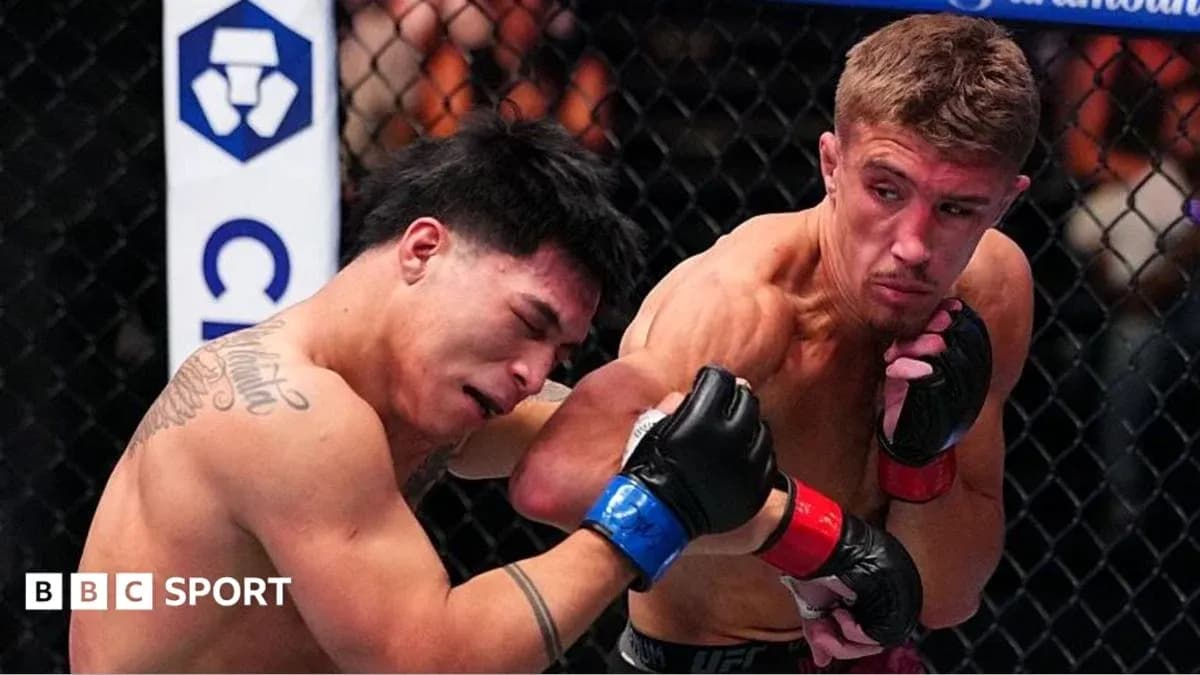
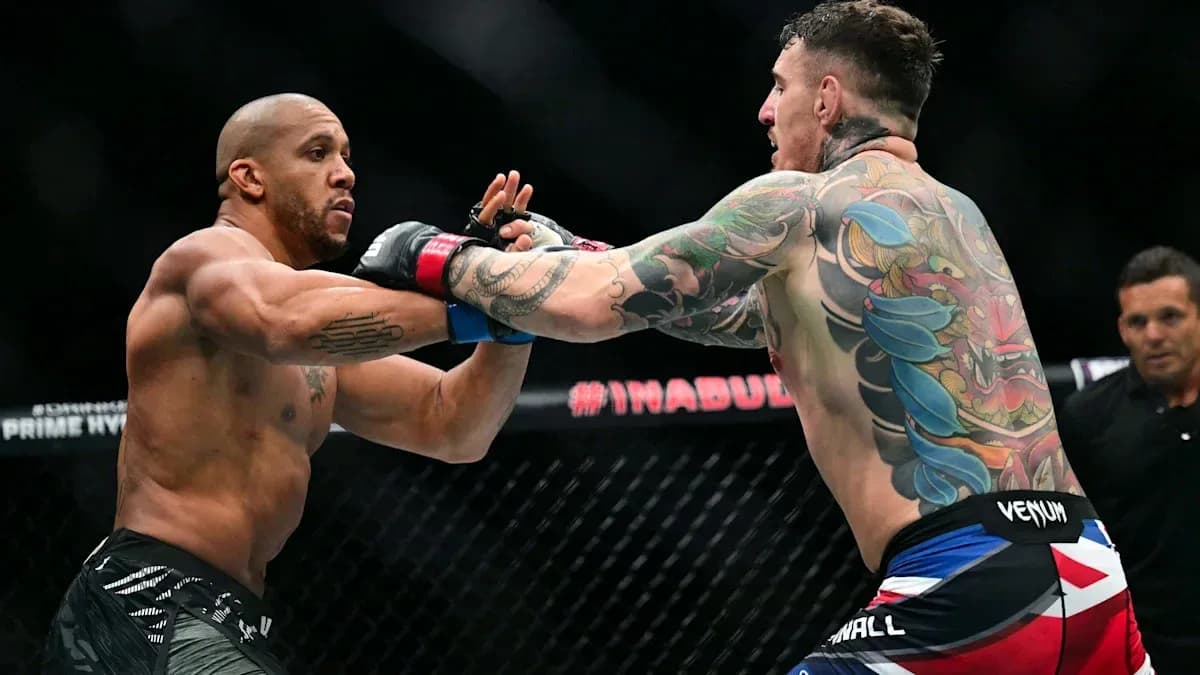
Two weeks ago in Paris, Michael “Venom” Page walked out of the Octagon for the last time as a UFC fighter. He won, moved his UFC record to 5-1, and slipped out of the promotion without so much as a public tug-of-war over his future. No drama. No negotiation leaks. Just gone.
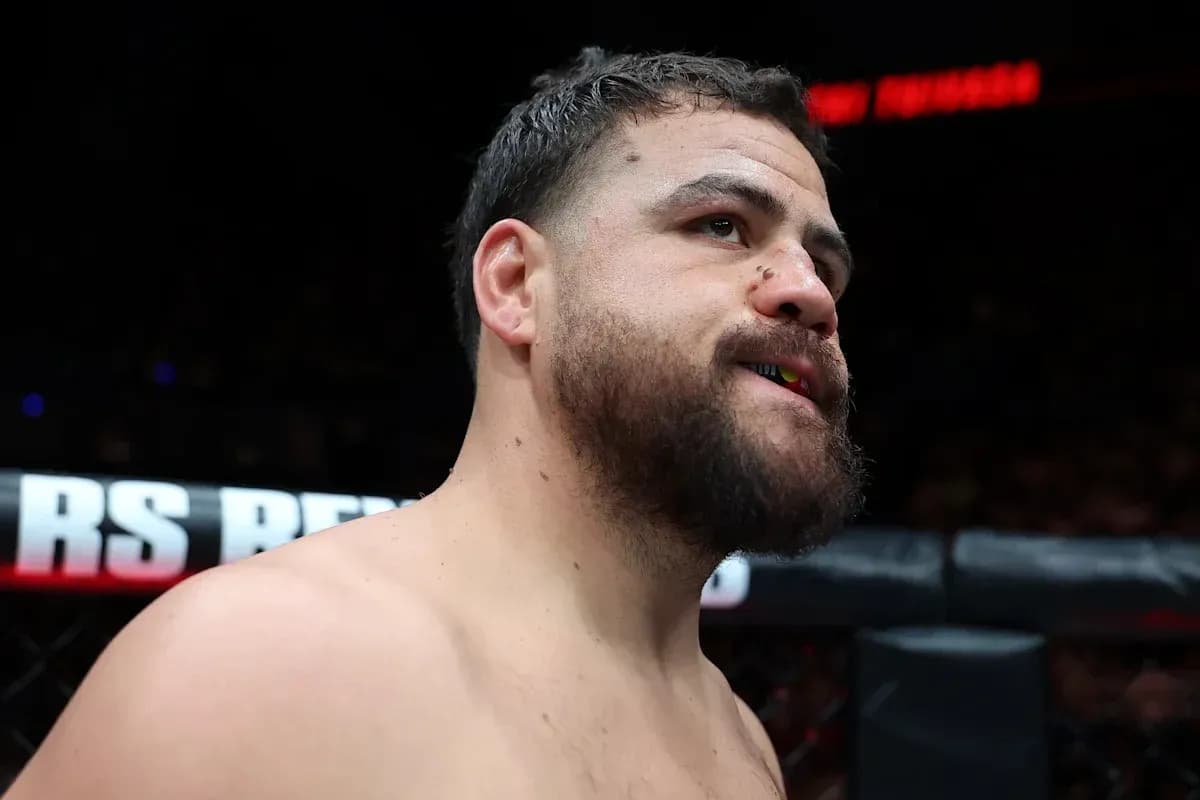
On Saturday in Las Vegas, Tai Tuivasa will walk in trying to avoid an eighth straight loss.
One man wins almost every time he shows up and gets quietly shown the door. The other can’t buy a victory and still finds himself in a pay-per-view heavyweight showcase, welcoming Robelis Despaigne back to the promotion.
That contrast is the whole story.
Winning isn’t everything. Being watchable is.
Tuivasa has now lost more consecutive fights than Page ever even had under the UFC banner. Seven in a row. The kind of streak that usually sends a fighter to the regional circuit or the broadcast booth.
Yet he’s still here.
Page, meanwhile, never got a chance to become a problem for matchmakers. He fought six times, lost once, and never really lit up the fanbase. His final UFC outing was a bland decision win that drifted out of memory almost as soon as the scorecards were read. No brawl, no chaos, no viral moment. Just a technically solid, low-risk victory that did nothing for the blood pressure of the people paying for the show.
That’s the unforgivable sin in this company: winning boring.
The UFC has always sold itself as the pinnacle of the sport, but its business model runs on entertainment. The only thing more frustrating to a promoter than a dull fighter is a dull fighter who keeps beating the fun ones. That guy gums up the works. He doesn’t brawl, and he won’t let anyone else brawl either.
So you let him walk. Let someone else explain to their TV partners why the main card sounds like a library.
Why Tuivasa survives
Tuivasa is the opposite. He’s chaos with gloves on.
He has fans. Real ones. People who feel like they know him, who see a heavyweight who looks like he’d be just as comfortable at a backyard barbecue as a main event. That matters. The “would you have a beer with him?” test? Tuivasa turned it into a brand, then poured that beer into a shoe.
The image lingers: Melbourne, a lopsided submission loss, Tuivasa trudging out of the cage. No highlight. No win bonus. But in the crowd, a fan stands there with a full beer in one hand and a shoe in the other, offering a shoey in defeat. Tuivasa gives a brief, silent “not tonight” look and keeps walking. The ritual doesn’t even require victory anymore. Fans just want to be part of the act.
From a promoter’s standpoint, he’s also brutally simple to book. You know exactly what you’re buying when you sign him to a fight.
He’ll plant his feet and trade. He’ll throw from his heels. He’ll stuff very few takedowns. If the fight spills into the later rounds, he’ll slow down, but he’ll still stand there and absorb punishment out of sheer stubbornness. He will not shoot a double-leg and hug his way to a decision.
You can build cards around that kind of reliability. Matchmakers can scan the roster and see, almost at a glance, which opponents will produce fireworks with Tuivasa and which will turn him into cannon fodder. The problem only starts when he begins losing the ones he’s meant to win.
That’s where we are now.
In May in Australia, Tuivasa walked in as a -225 favorite against Louie Southerland and walked out with another unanimous decision loss, his seventh straight. The heavyweight wild card had become a heavyweight skid.
And yet, here comes another high-profile assignment.
Despaigne’s return, Tuivasa’s test
On Saturday, Tuivasa stands across from Robelis Despaigne, a towering puncher returning to the UFC after starching Junior dos Santos at the MVP Netflix event in May. That performance turned heads. It also gave matchmakers a very clear idea of what to do next.
Despaigne needs a dance partner who will meet him in the middle and not panic-wrestle at the first sign of trouble. Someone who will trade, not shoot. Someone who understands the assignment.
Enter Tuivasa.
Of course, a heavyweight with Tuivasa’s power is never completely out of a fight. One clean shot can turn a losing streak into a redemption arc in seconds. But nothing about this matchup suggests a favor from the promotion. It feels like a calculated piece of casting: the proven brawler with a loyal fanbase, positioned as the perfect foil for a returning knockout artist.
That’s how a fighter can lose over and over and still keep his job. He remains useful. He fits the script.
Page, on the other hand, was too effective at the wrong thing. He won, but he didn’t give the UFC what it values most: chaos, risk, jeopardy. He neutralized opponents and, in the process, neutralized the product.
One man is punished for being “zero fun” and successful. Another is rewarded for being consistently thrilling, even in defeat.
The cost of being the show
Fighters aren’t blind to the pattern. They don’t need a memo from the front office to understand what gets rewarded.
Former UFC champion Tyron Woodley laid it out this week on “The Ariel Helwani Show.”
“You hit me, I hit you,” Woodley said. “Rock ’em, sock ’em. I’m bleeding, you’re bleeding. I almost die, you almost die. We hug at the end, raise each other’s hand. That’s the ‘best’ fight.”
That’s the blueprint the promotion loves. Mutual destruction. High drama. Clips that live forever online.
But the toll is brutal. Even the fighters built for that kind of warfare can’t do it forever. The chin goes. The reflexes slow. The body starts sending invoices that never stop coming due.
And when that happens, Woodley knows what comes next.
“As soon as they become a bag of bones and they become a little older, and there’s a younger fighter that’s willing to do it with less backtalk, willing to do it for less money, they’re going to be matched up with that person,” he said. “That’s really how the cycle of the sport goes.”
The impossible balance
In most sports, the equation is clean. Win and you stay. Lose and you go. The table, the standings, the leaderboard — they tell the story.
In the UFC, the job description is messier. You’re not just an athlete. You’re part warrior, part performer, part content generator. Every fighter is hunting for that elusive personal ratio: enough risk to stay employed, enough defense to stay conscious.
Too safe and you’re Page, winning your way out of a job. Too wild and you’re Tuivasa, clinging to your place on the roster by giving the company exactly what it wants while your body pays for every second of it.
UFC 331 won’t solve that contradiction. It will just put it under the lights again, in heavyweight form, and ask the same ruthless question the sport always does:
How much of yourself are you willing to spend to keep your name on the marquee?