Umar Nurmagomedov's Knockout Loss: A Technical Mistake
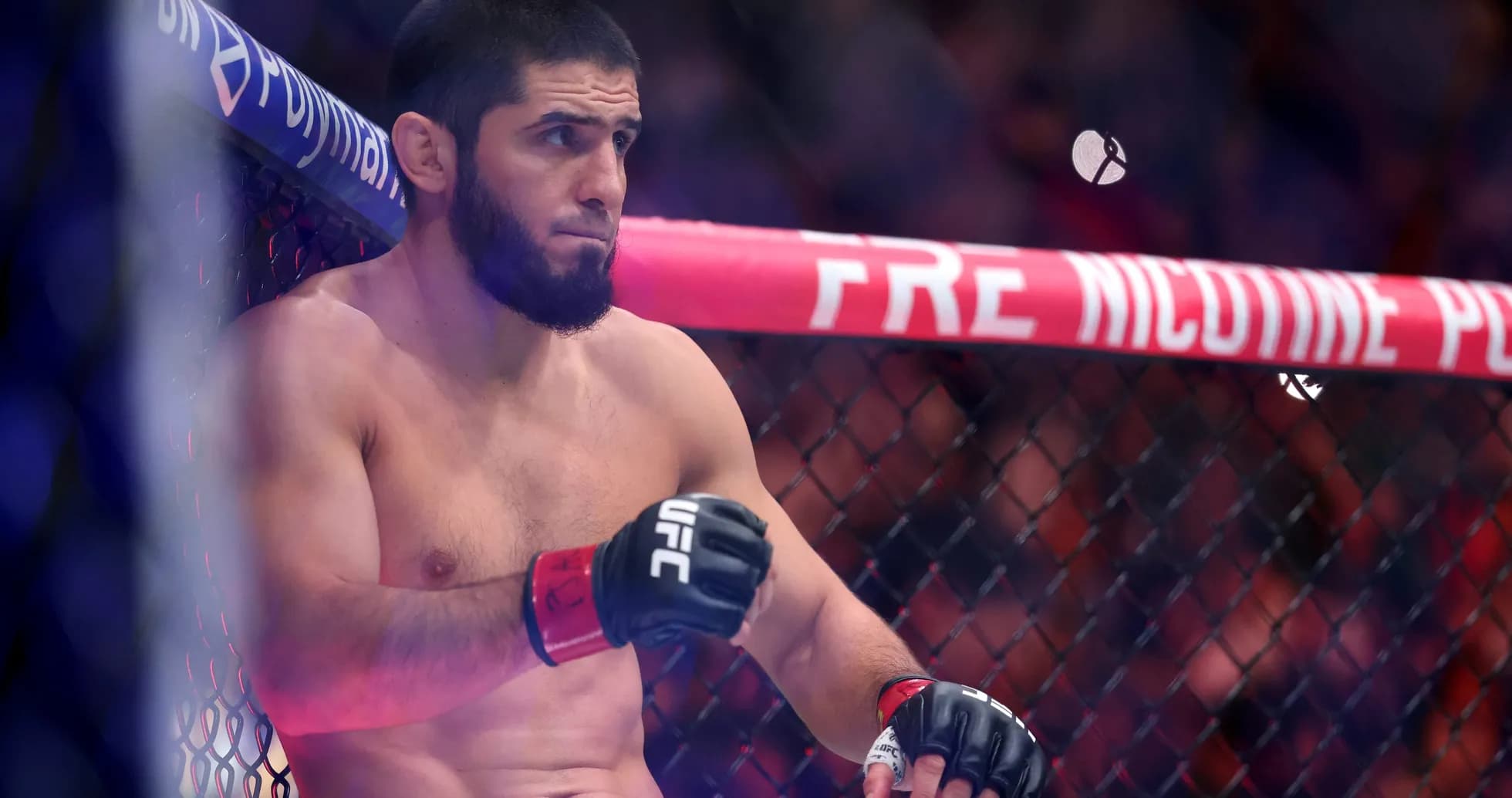
Javier Mendez has seen enough champions built — and broken — to know the difference between a bad fighter and a bad moment. What happened to Umar Nurmagomedov in Shanghai, he insists, was the latter.
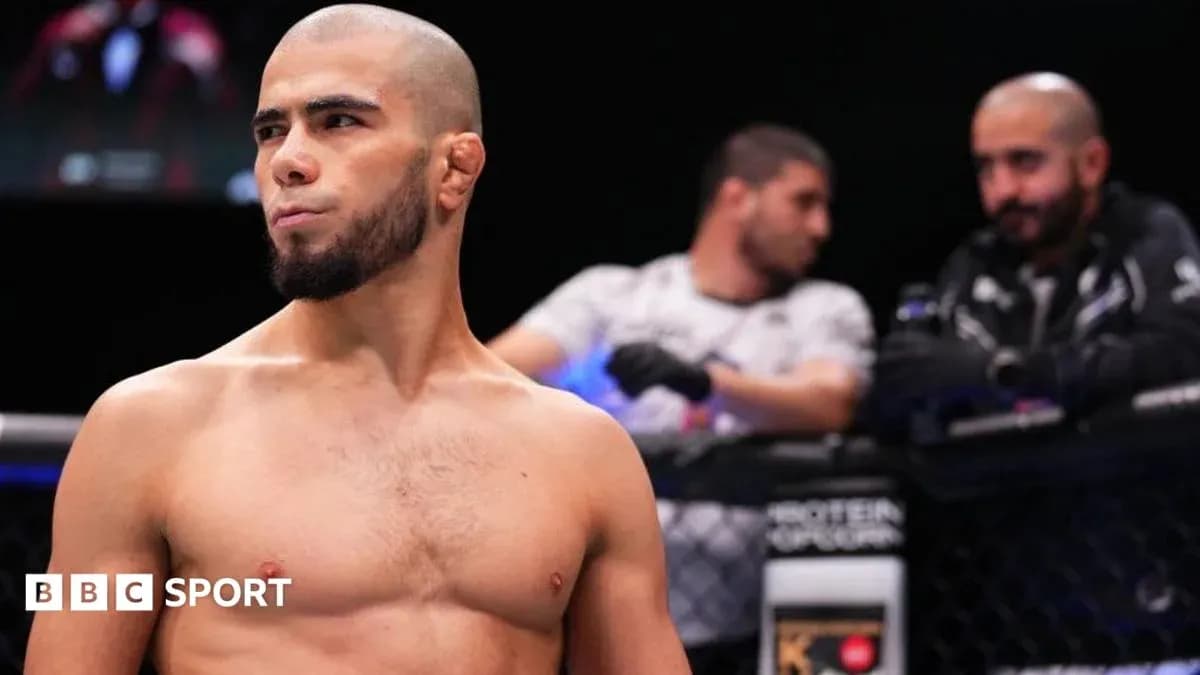
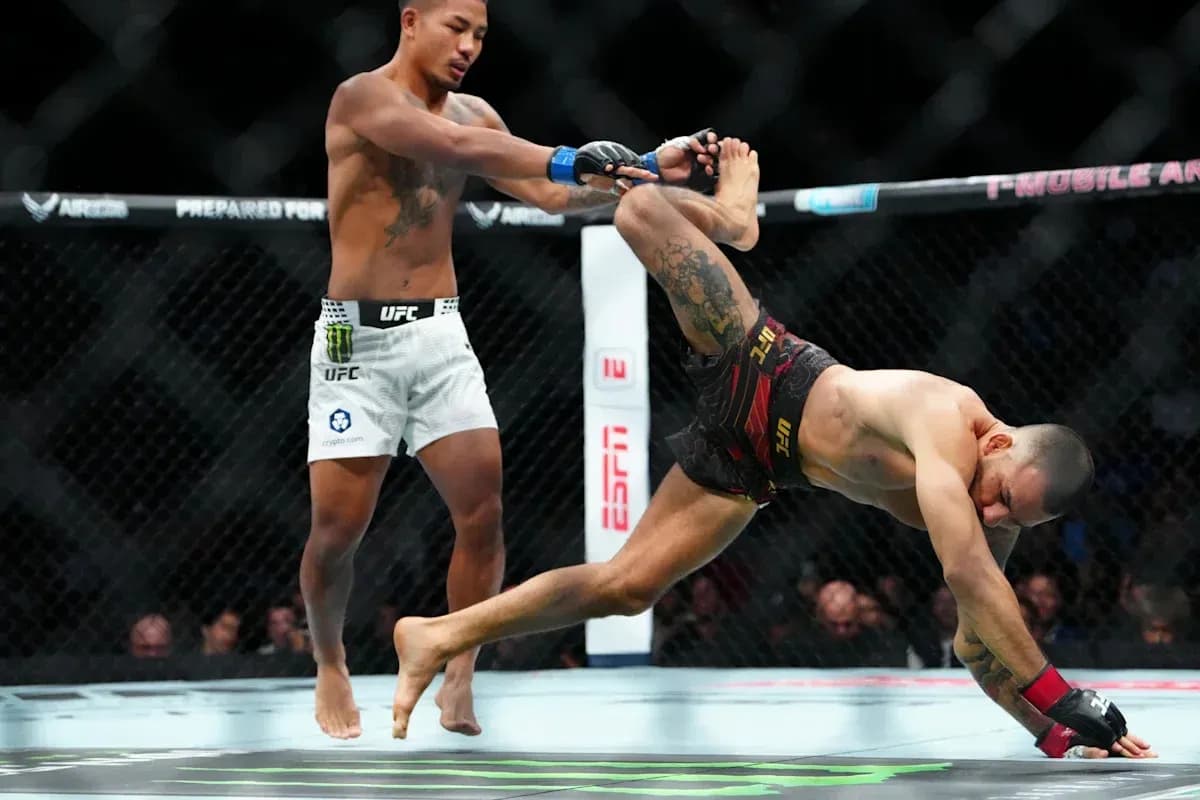
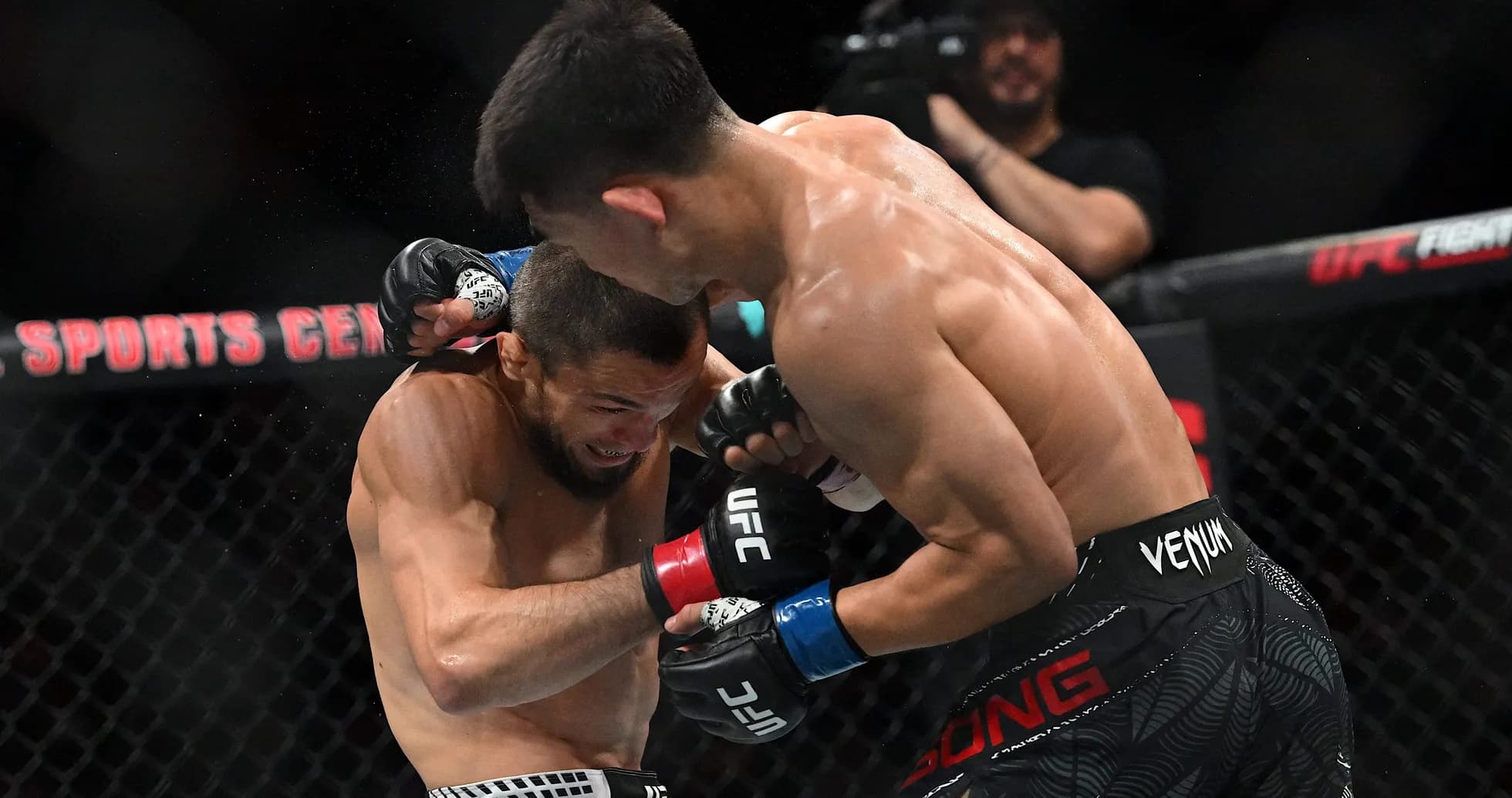
The unbeaten aura around Nurmagomedov shattered under the fists of Song Yadong, a heavy underdog who walked into UFC Shanghai as the B-side and walked out with one of the knockouts of the year. Second round. Sudden. Brutal. The kind of finish that silences a crowd before it finds its voice again.
For many, it was a shock. For Nurmagomedov’s head coach, it was a mistake.
‘He made a technical mistake’
Speaking to Submission Radio after the event, Javier Mendez, who coaches Nurmagomedov at American Top Team, stripped the upset down to its essentials.
“In my heart, I believe 100% that Umar can become champion,” Mendez said. “But unfortunately, in the first fight with Merab, Merab pulled it off by being great at what he does. And in this one here, Umar got hit with the right shot in the right spot. He made a technical mistake.”
No excuses. No talk of bad camps, injuries, or weight cuts. Just a clean admission that one opening, one lapse, was all Song needed to fold a man many had penciled in as a future UFC bantamweight champion.
The knockout lands harder when you remember the context of Nurmagomedov’s rise. He carried the famous surname, the suffocating expectations, and the stylistic menace to match. High-level wrestling. Relentless pressure. A game built for five-rounders and title eliminators.
Shanghai showed how quickly that kind of narrative can come apart.
A second career crossroads
This is not the first time Nurmagomedov has had to stare down a setback.
His first professional loss came only last year, when Merab Dvalishvili outworked him in a failed bid for the UFC bantamweight title. That defeat could have stalled him for years. Instead, he strung together a win streak, rebuilt momentum, and pushed himself right back toward contention.
Then came Song.
The knockout doesn’t just dent his record; it raises uncomfortable questions about durability in a division full of sharp punchers and ruthless finishers. The numbers do not flatter him. In his UFC career, Nurmagomedov has been dropped three times — more than Song, Dvalishvili, Petr Yan, and Sean O’Malley combined.
That is not a throwaway stat. It lingers. It forces you to look again at the way he enters exchanges, the positions he accepts, the risks he takes on the feet.
How can someone with such elite wrestling and control find himself on the canvas more often than the division’s most notorious strikers?
Power, risk, and what comes next
The raw tools remain. Nurmagomedov’s wrestling alone is enough to carry him deep into the top tier at 135 pounds. He has already proved he can reset after a loss, already shown he can turn disappointment into a run of victories.
But this latest setback is different. Getting outpointed by a machine like Dvalishvili is one thing. Getting “hit with the right shot in the right spot,” as Mendez put it, is another. Knockouts leave echoes — in a fighter’s confidence, in opponents’ game plans, and in the way matchmakers view future headliners.
The technical error Mendez points to can be fixed. Footwork can be tightened. Entries can be cleaned up. Defensive habits can be drilled until they become instinct. The question that now hangs over Nurmagomedov is harsher and simpler:
In a division this unforgiving, how many more “technical errors” can he afford?