Usman Nurmagomedov Defiant After UFC Shanghai Incident
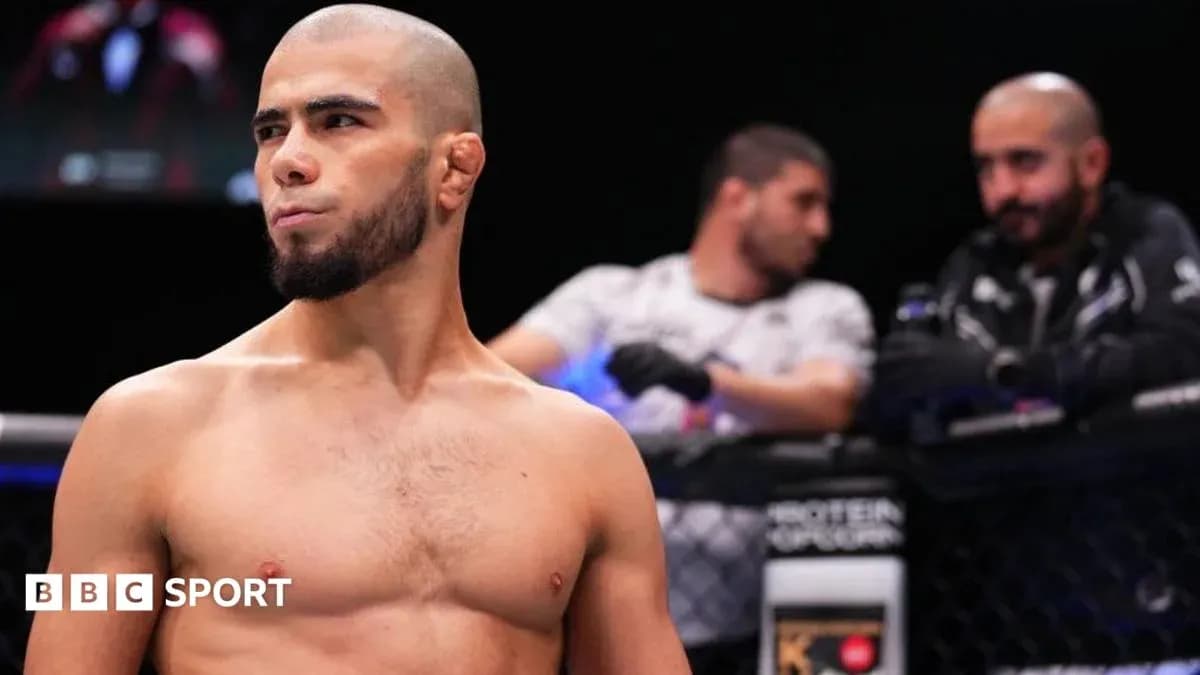
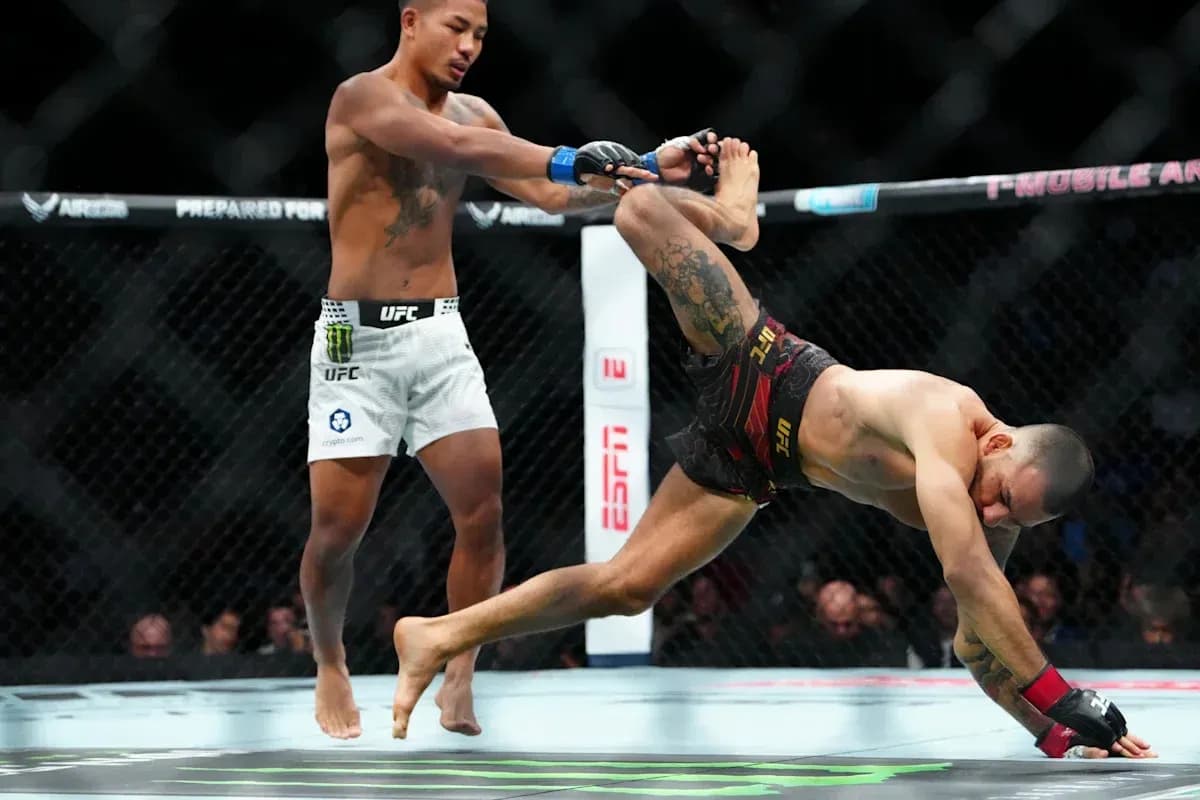
The main event in Shanghai was supposed to be about Umar Nurmagomedov’s rise. It ended with a knockout, a near brawl, and a storm of criticism aimed not at the winner, Song Yadong, but at Umar’s cousin and cornerman, Usman Nurmagomedov.
When Song flattened Umar in the UFC Shanghai headliner, the arena gasped. Usman didn’t. He bolted. The PFL lightweight champion vaulted the fence and sprinted into the Octagon, desperate to reach his fallen brother before anyone else.
Song, in the middle of his celebration, wheeled around and almost collided with him.
For a split second, the cage turned from a stage into a flashpoint. Usman shoved Song away and started to fire a backward elbow in his direction, an instinctive, violent reaction from a man who lives by fight rhythms. He pulled it at the last moment. No contact. No post-fight brawl. But the image of that half-thrown strike raced across social media in seconds.
The verdict from many fans: reckless, dangerous, unacceptable.
Usman has heard all of it. He’s not backing down.
If I Had Wanted to, I Would Have Hit Him
Breaking his silence on social media, the undefeated PFL champion laid out his version of events and his mindset in a long, pointed statement that mixed faith, family, and fury at his critics.
“Only what is ordained for us will befall us. In any situation—Alhamdulillah,” he wrote on Instagram, framing the night’s chaos within his belief that fate governs all.
Then he turned to the backlash.
“People make such a huge tragedy out of this; they really ought to calm down. There are far worse things; you don’t need to think long—just look at what is happening in the world.”
The flashpoint, of course, was the suggestion that he had tried to attack Song in the aftermath of the knockout. Usman rejected that outright.
“And as for the claim that I supposedly wanted to hit his opponent… If I had wanted to, I would have hit him,” he wrote, making it clear he sees the incident as a choice he controlled, not a moment where he lost his head.
Then the tone hardened. He aimed straight at those hammering him online.
“You spiteful, petty, and envious people—your problem is that you have never known, nor will you ever know, family love and understanding. If you don’t know what a brother means to a brother, then it is not me you should pity, but yourselves.”
No apology. No concession. No softening of the edges. Usman’s message was simple: I did what any brother would do, and I could have gone much further if I wanted to.
Where the Line Was Crossed
Emotion explains his reaction. It does not erase the rule he broke.
Usman entered the cage before he was allowed to. Cornermen must wait for the referee and officials to clear the scene and permit them inside. He didn’t. He jumped the fence the moment Umar hit the canvas, putting himself directly in the path of a celebrating winner and creating a combustible situation the UFC works hard to avoid.
That is the heart of the problem for regulators and promoters. Not the shove. Not the half-thrown elbow. The decision to breach the Octagon at all.
This event was sanctioned in China, not Nevada, and that matters. Had this unfolded in Las Vegas, under the gaze of one of the sport’s strictest commissions, Usman would likely be staring at formal disciplinary action. A hearing. A fine. Perhaps even the loss of his corner license for jumping the cage, never mind the confrontation with Song.
He’s far from the first fighter to watch a loved one get brutally finished. The UFC has seen brothers, cousins, teammates knocked cold, bloodied, and broken over the years. Yet scenes like this, where a cornerman storms the cage and nearly sparks a second fight, remain rare. That is why this one lingers.
Will It Cost Him With the UFC?
The question now hangs over a different part of Usman Nurmagomedov’s career: his future as a potential UFC signee.
On talent alone, the answer is obvious. He is one of the most gifted lightweights outside the promotion, a PFL champion with a polished game and a famous surname. The UFC would welcome that kind of addition to its 155-pound roster.
Incidents like Shanghai complicate the picture but rarely close the door. Promoters have signed and pushed fighters with far longer rap sheets than a heated cage invasion. They value star power, skill, and storylines. Usman brings all three.
What he does not bring right now is contrition.
He has chosen to stand firm rather than walk back his actions or publicly apologize to Song Yadong. For some fans, that stance reinforces the image of a fighter who lost control in the most emotional of moments and still refuses to admit it. For others, it paints him as fiercely loyal, unbending when it comes to family.
The UFC, as always, will weigh risk against reward.
Usman Nurmagomedov has made his position crystal clear. He would do anything for his brother. He insists he stopped himself before crossing the line from chaos into violence. Regulators and promoters will decide whether that split-second restraint is enough in a sport where one more inch, one more impulse, can change everything.