Alexander Zverev Becomes World Number One After Decade of Struggle
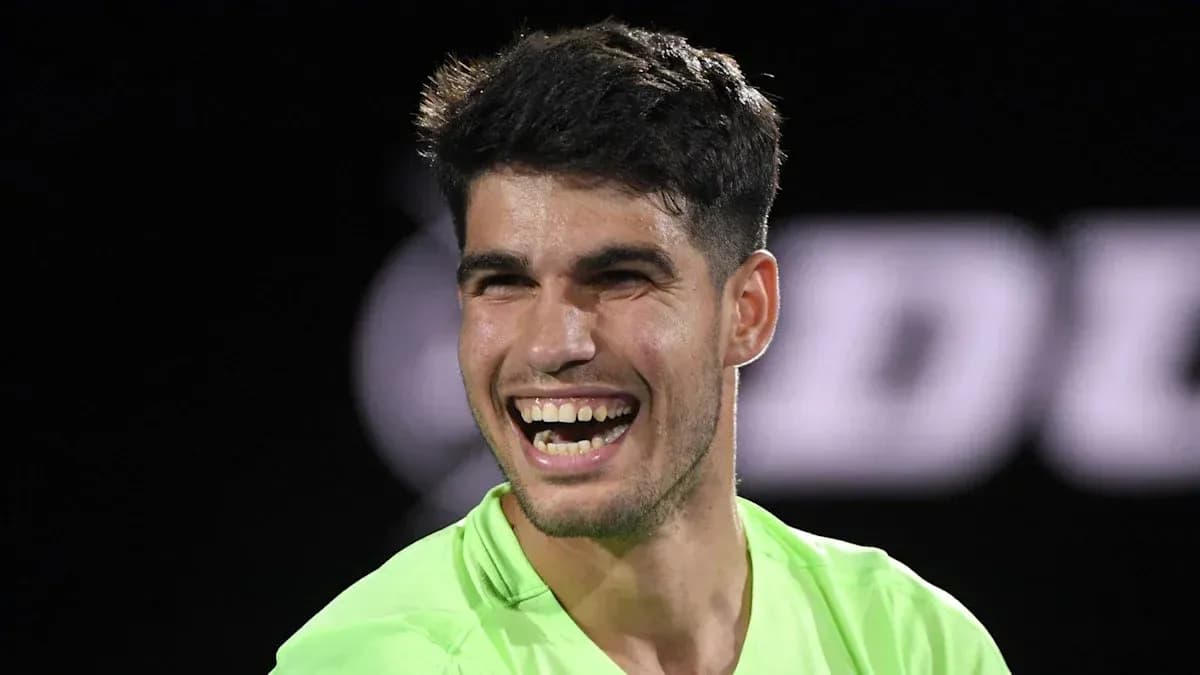
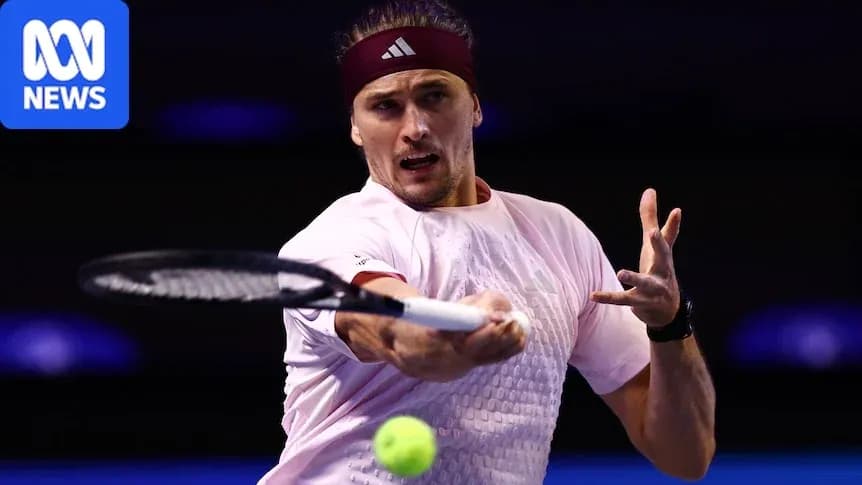
Alexander Zverev spent a decade staring up at a mountain that never seemed to move. First, the granite wall of Federer, Nadal, Djokovic and Murray. Then, just as the old guard finally loosened its grip, a fresh barricade of youth in Jannik Sinner and Carlos Alcaraz rose in front of him.
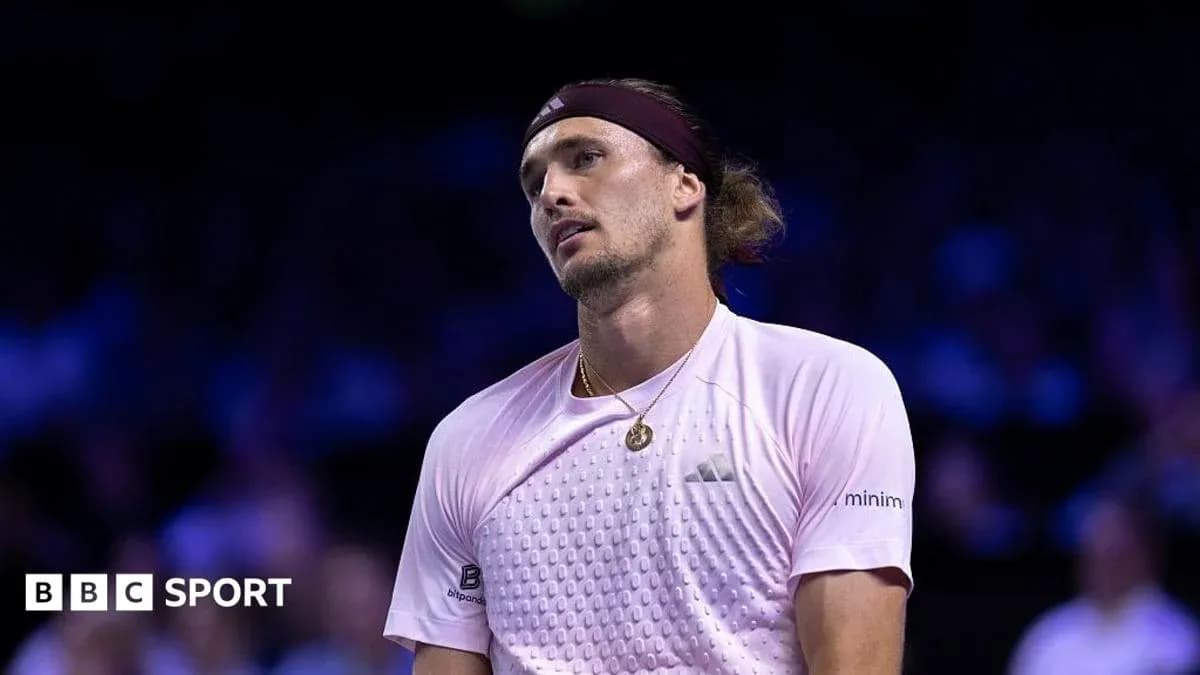
Now, at 29, Zverev has finally reached the summit.
The German will become world number one for the first time on Monday, displacing Sinner and ending years of frustration in which his talent always seemed a step ahead of his achievements at the majors. He is the 30th man to hold the top spot since the rankings began in 1973, and only the second from his generation — after Daniil Medvedev — to break the monopoly that defined the “Big Four” era.
“It’s incredibly special,” Zverev said. “It’s something I’ve worked towards for years and you have to show great tennis the whole year to be in this position.”
For a long time, that was the problem. Zverev’s résumé sparkled everywhere except where it mattered most. Two ATP Finals titles, an Olympic gold medal in Tokyo, countless weeks inside the top five — yet the Slams kept slipping away. While he wrestled with second-week nerves and brutal near-misses, Sinner and Alcaraz raced through the open door, stacking up 12 majors between them as the legends faded.
The turning point arrived this season. With Alcaraz stalled by a wrist injury and Sinner hampered by a knee problem, Zverev stayed upright, stayed present, and finally stayed ruthless. He claimed the French Open and US Open titles and reached the Wimbledon final, a run of consistency and durability that left the rankings with only one logical conclusion.
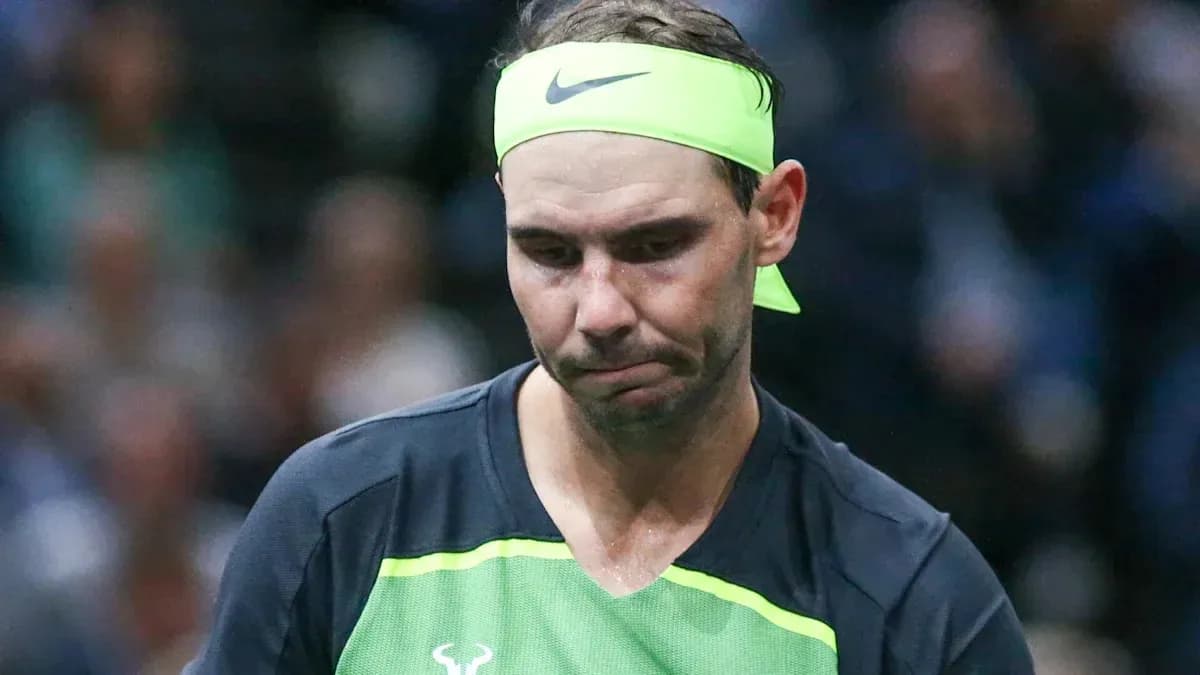
The irony is hard to miss. Two years ago in Paris, on the same Philippe Chatrier court where he lifted the trophy this spring, Zverev’s charge was shattered by a horrific ankle injury in his 2022 French Open semi-final against Nadal. His push for the top ranking went with it. Grand Slam heartbreak became a theme: lost finals, lost chances, and a creeping doubt over whether his window had already closed.
“I’ve had a lot of difficult moments in my career: the lost grand slam finals, the injury in 2022,” he said. “But I always somehow kept believing, kept going. This year I also took the step of changing my game a little and rebuilding it, at 29. The way this season has gone is a dream.”
Rebuilding at 29 is not a romantic slogan; it is a risk. Players that age usually double down on what they know. Zverev chose to tinker with the identity that took him to the elite in the first place. The reward is now written in the rankings.
His rise, though, has never been a simple sporting story. Away from the court, Zverev has faced serious turbulence, with allegations of domestic abuse that he has consistently denied. A German court closed a case involving his former partner Brenda Patea in 2024 after a settlement, without a finding of guilt. The ATP ended a separate investigation into allegations made by Olga Sharypova in 2023, citing insufficient evidence.
Those episodes have shadowed his progress and complicated the way parts of the tennis world view his ascent. Being number one, as he acknowledged, is not just about forehands and trophies.
“The number one position brings a lot with it,” said Zverev, who becomes Germany’s second men’s world number one after Boris Becker in 1991. “You have to be a good role model, do a lot of things right and on court that means more than returning and serving well.”
On court, the debate will not disappear either. Zverev’s 3–8 record against top-10 opponents this season will fuel arguments over whether the ranking automatically makes him the game’s best player right now. The numbers say one thing; the eye test, especially when Sinner and Alcaraz are fully fit, might say another.
But staying available is part of the job. Patrick Mouratoglou, one of the sport’s most prominent coaches, framed it bluntly.
“A player is not only performing on court, it’s also being healthy, managing your body,” he said. “If someone is never injured and others are often injured, the one that’s not injured will probably end up having a higher ranking … staying healthy when you’re a professional athlete is a real skill.”
For Zverev, who has managed type 1 diabetes since childhood, that skill has always carried an extra layer of complexity. His ability to handle a heavy schedule this year, when the field around him thinned, became his greatest weapon.
The context matters. This is not the 2015 tour he is conquering, with peak Djokovic snarling across every draw and Federer and Nadal waiting on alternate surfaces. It is a transitional landscape, with legends in retreat and the new wave still learning how to survive the grind of a full season. Zverev, once the impatient prodigy, now stands as the seasoned campaigner exploiting every gap.
He knows, though, that the chase is not going away. Sinner and Alcaraz will be back, younger, fresher, hungry to reclaim the narrative.
“I still have Carlos and Jannik,” Zverev said. “Hopefully, I can keep competing with them over the next few years.”
For a player who spent so long blocked by eras on either side of him, that might be the real question now. Can Alexander Zverev, late-blooming world number one, turn this long-awaited breakthrough into a reign, or will this season stand as the peak of a mountain he was made to climb the hard way?