Steve Ballmer Accepts NBA Penalties for Kawhi Leonard Circumvention
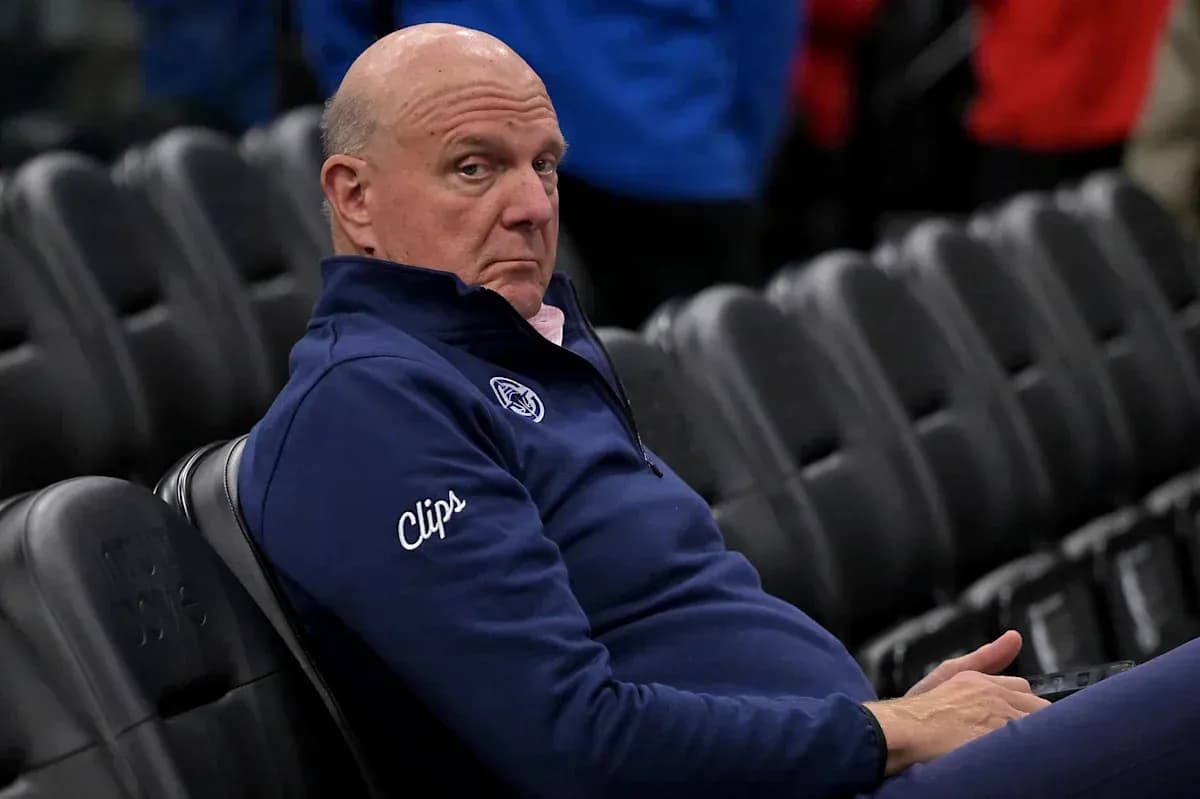
Steve Ballmer has stopped swinging.
After weeks of defiance and talk of a “witch hunt,” the Los Angeles Clippers owner has decided to accept the NBA’s heavy sanctions for salary-cap circumvention tied to Kawhi Leonard, pay the bill and live with the damage.
The $30 million fine? Paid, Ballmer said Sunday night. The one-year ban from “all league and team activities”? He’ll serve it. The loss of draft capital that will shape the franchise’s future? That, too, now stands.
“This has been a very difficult time for everybody associated with the Clippers, and for that, I have sincere regrets,” Ballmer said in a statement. He apologized to fans, employees and fellow owners for “the distraction and distress this matter has caused,” and said he accepts responsibility as principal owner.
Then came the pivot. No more public war.
“We are committing to put this chapter behind us,” Ballmer said. The team has told the league it will comply with the penalties, the fine is paid, and he insists his focus is now on moving forward. He still has “disagreements” with the NBA’s findings, but he’s done fighting them in public. “Team owners should support, not distract.”
From “witch hunt” to surrender
The climbdown is striking given how aggressively the Clippers initially attacked the investigation.
The NBA’s punishment followed a damning probe that concluded the Clippers and Leonard had worked around the salary cap through arrangements with third-party companies, a scheme first exposed by a Pulitzer Prize–winning investigation from the “Pablo Torre Finds Out” podcast.
League’s Response
The league’s response was severe:
- Five first-round draft picks stripped from the Clippers
- A $30 million fine and one-year ban for Ballmer
- A $700,000 fine for Leonard
- Additional penalties for other Clippers employees
The case drew immediate comparisons to the Minnesota Timberwolves’ infamous Joe Smith cap-circumvention scandal in 2000. Back then, the NBA initially seized five first-round picks but later returned two after Timberwolves ownership and executives accepted responsibility. That precedent loomed over this saga and may well have nudged Ballmer toward acceptance rather than a prolonged, likely futile legal fight.
His decision could also clear the way for the Clippers to formally complete their trade sending Leonard to the Toronto Raptors, another major domino in a messy saga.
Just days ago, though, the tone from Los Angeles could not have been more different.
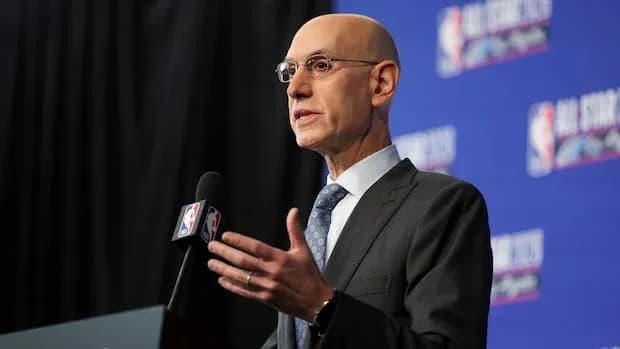
The Clippers blasted the league’s findings as “vehemently” wrong. In a letter to commissioner Adam Silver, they labeled the process a “witch hunt,” accused the investigation of bias and claimed Ballmer had spent nearly $50 million to fund the independent law firm’s work — only to see his “reputation… irreparably damaged.”
“This investigation has been flawed from the outset,” the letter charged, calling the decision to issue the report without notice to the team or its counsel “inexcusable.” The conclusion was even sharper: this “witch hunt,” they wrote, undermined “fundamental fairness and the integrity of the league and of this sport that we all love.” The Clippers vowed to explore “every legal remedy” to address what they called a “gross injustice.”
The NBA, though, had locked the doors. The league said the discipline was agreed upon with the players’ union and is “final and binding on all parties.” The bylaws offered no formal appeal route. And the 35-page report came loaded with receipts.
According to the league, it had evidence the Clippers helped facilitate third-party arrangements between Leonard and vendors, and that they “induced the companies to enter into these agreements by offering them business from the team.” For a franchise already operating under the microscope, the paper trail left little room to maneuver.
When the legal path narrows to a dead end, even the richest owner has to decide how much more he wants to spend on a fight he cannot win. Ballmer chose to fold.
A costly reset for the Clippers
The damage is real. Losing multiple first-round picks will shape the Clippers’ future long after this news cycle moves on. The organization will have to build and pivot with a thinner stock of assets in a league where draft capital is currency.
Ballmer, barred from all league and team activities for a year, will watch the early stages of that reset from the outside. For a hands-on, hyper-visible owner, the forced distance cuts deep in a way money never will.
Still, his statement tried to turn the page toward what remains.
“The challenges ahead of us are significant, but so is our resolve,” Ballmer said. He pledged to keep building the team and investing in the community, and framed fan trust as “our priority.” With what he called a talented roster, outstanding staff and a clear vision, he expressed certainty the Clippers will “compete at the highest level” and be “an organization our fans can be proud of.”
The league has its punishment. The owner has his scars. The draft cupboard is lighter. Kawhi Leonard’s name is now etched into another chapter of cap-circumvention history.
What’s left is the part no investigation can script: whether the Clippers can actually win enough, without their owner in the building and with fewer picks in their pocket, to make this scandal feel like a brutal detour rather than the defining moment of Ballmer’s era.