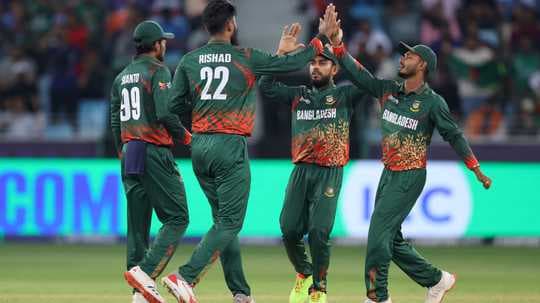
Bangladesh’s T20 World Cup Absence Linked to Former Adviser
The mystery around Bangladesh’s absence from the ICC Men's T20 World Cup 2026 has been dragged into the daylight – and the finger is pointing squarely at one man.
An inquiry committee, formed by the Ministry of Youth and Sports, has concluded that former youth and sports adviser Asif Nazrul was responsible for the decision not to send the national team to the global tournament. The report, made public on Tuesday, lays out a stark picture of how a Test-playing nation simply vanished from one of cricket’s biggest stages.
Inquiry Lays Blame
The three-member committee was set up after widespread confusion and criticism over Bangladesh’s withdrawal from the World Cup. Led by Dr A.K.M. Oli Ullah, additional secretary of the ministry’s administration wing, the panel also included former national captain and current chief selector Habibul Bashar, along with Barrister Faisal Dastgir.
Their mandate was clear: find out why Bangladesh did not take the field in 2026, and who made that call.
After weeks of interviews, document reviews and media analysis, the committee’s conclusion was blunt. Speaking at a press conference at the National Sports Council, Dastgir said the investigation had identified Nazrul, then youth and sports adviser, as the central figure behind the withdrawal.
“Based on what emerged from the investigation, our discussions with the relevant people, media reports and everything else, it can be said that the person responsible for not going to the World Cup was then youth and sports adviser Asif Nazrul,” Dastgir said. “The government at the time and he were responsible.”
The report also states that the Bangladesh Cricket Board (BCB) backed the ministry’s stance. Rather than resisting, the board aligned itself with the decision not to send the team, effectively closing the door on Bangladesh’s participation.
Players Left on the Sidelines
Nazrul, for his part, has maintained that the players were fully aware of the situation and accepted it. The committee’s findings, however, frame the episode not as a collective, considered sporting decision, but as a top-down political and administrative call that the BCB ultimately supported.
The fallout is significant. For a country where cricket drives national conversation and emotion, missing a T20 World Cup is not a scheduling quirk; it is a rupture. The committee was unambiguous on that point as well, stressing that Bangladesh should have taken part in the tournament.
That line cuts deep. It suggests not just a misjudgment, but a missed opportunity on the world stage – one made in offices, not in dressing rooms or on training pitches.
The report now sits with the authorities. The questions are obvious, and unavoidable: who will be held accountable, and how does Bangladesh ensure that a decision like this is never taken so quietly, and never taken again?