Brendan Taylor Sets ODI Longevity Record Passing Tendulkar
On a cool Harare morning, with Australia back in town for their first ODI in Zimbabwe in 12 years, Brendan Taylor walked out and quietly rewrote a line in cricket history.
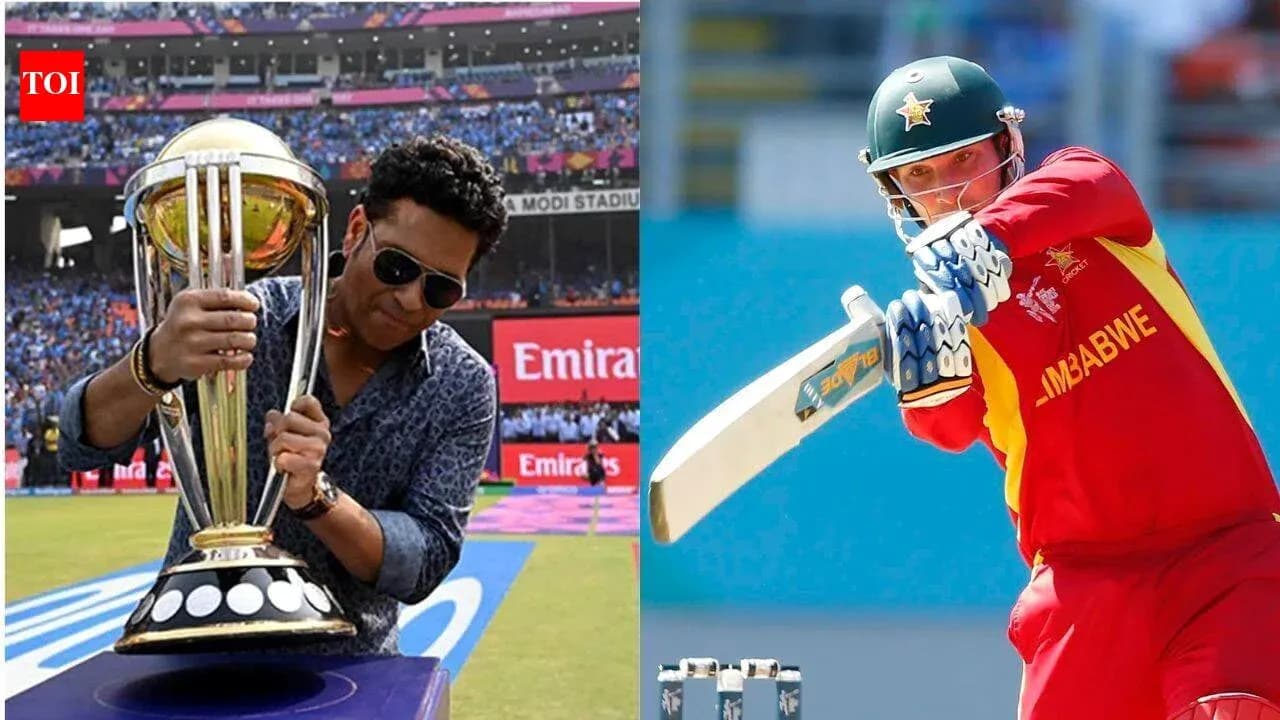
By taking the field in the first ODI on Tuesday, the 40-year-old went past Sachin Tendulkar to become the longest-serving player in men’s ODI cricket. No fanfare, no guard of honour. Just another toss, another team huddle, and a milestone that speaks to endurance as much as talent.
Tendulkar’s ODI career stretched an extraordinary 22 years and three months before it closed in 2012. Taylor’s now runs to 22 years and four months, starting from his debut back in 2004 and looping, improbably, through retirement, suspension and a late-career return.
Tendulkar still towers over the format in other ways. He remains the all-time leading ODI run-scorer with 18,426 runs and holds the record for most appearances with 463 matches. Those numbers are unlikely to be touched for a long time. Taylor operates in a different universe statistically, but in Zimbabwean cricket terms, his presence has been just as defining.
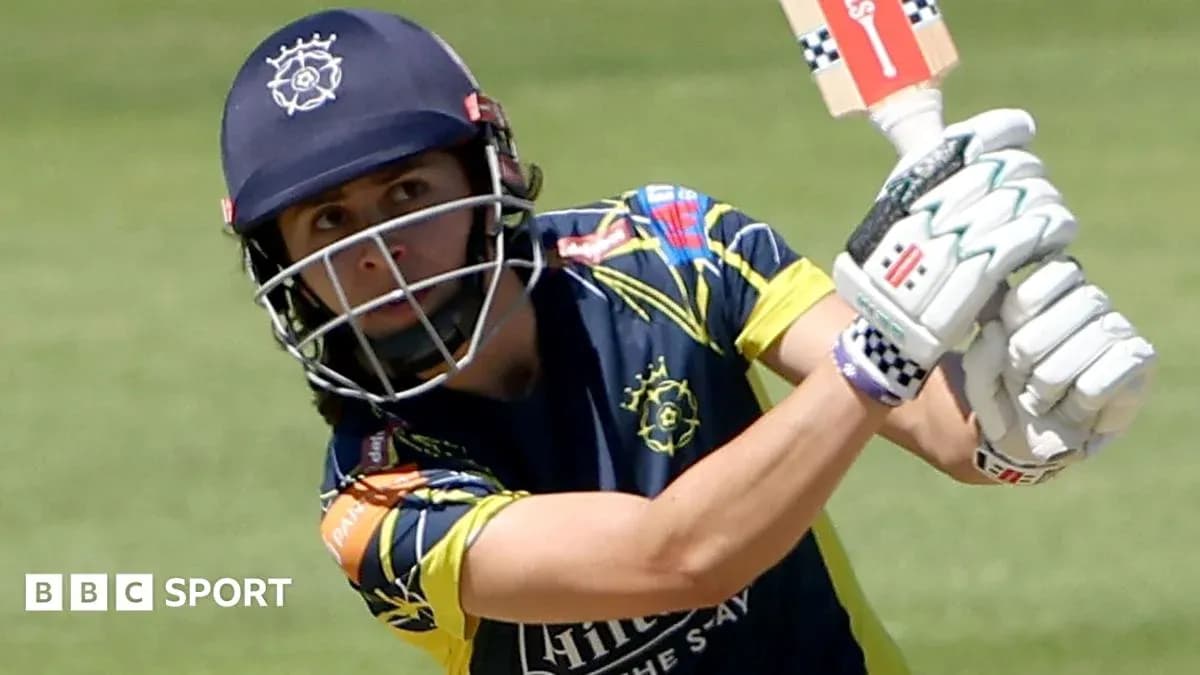
A mainstay of the side for two decades, Taylor has grown into one of Zimbabwe’s premier batters. Coming into Tuesday’s match, he had compiled a national-record 11 ODI centuries in 207 games, a body of work built largely in a struggling team that has often had to fight for every fixture, let alone every win.
His story has never been a smooth, linear climb. Taylor retired from international cricket in 2021, seemingly closing the book on a long and loyal stint in national colours. The following year, he was hit with a three-and-a-half-year ban for breaching the ICC’s Anti-Corruption and Anti-Doping codes, a sanction that appeared to draw a hard line under his career.
Yet here he is again.
Having completed his suspension, Taylor came out of retirement in 2025, pulled back into the fold as Zimbabwe began laying the foundations for co-hosting the 2027 ODI World Cup with South Africa and Namibia. For a country trying to stitch together a competitive squad and a compelling narrative ahead of a home World Cup, the return of its most seasoned batter carries both symbolic and practical weight.
Harare offered a fitting backdrop for this chapter. Australia, absent from Zimbabwean soil in ODI cricket since 2014, won the toss and chose to bat, setting up a long day in the field for Taylor and his teammates. The match also tugged on the threads of memory: only three players across both sides had featured in that last ODI in Zimbabwe 12 years ago, when the hosts stunned Australia.
Mitchell Marsh, now Australia’s captain, was one of them. On the other side, Sikandar Raza and Taylor were the survivors from that famous 2014 victory, when Zimbabwe punched above their weight and sent a powerful side home with bruised pride.
The line-ups told their own story of renewal and continuity.
Australia named Mitchell Marsh at the helm, with Travis Head, Cooper Connolly, Josh Inglis, Alex Carey, Matt Renshaw, Ollie Peake, Xavier Bartlett, Nathan Ellis, Adam Zampa and Spencer Johnson completing a side that blends established white-ball names with newer faces.
Zimbabwe, building towards 2027 but still anchored by familiar pillars, fielded Brian Bennett, Ben Curran, Innocent Kaia, Brendan Taylor, Craig Ervine, captain Sikandar Raza, Wessly Madhevere, Brad Evans, Newman Nyamhuri, Wellington Masakadza and Blessing Muzarabani.
For Taylor, this was more than just another cap. It was a step beyond Tendulkar on a very specific ledger: time served in the ODI arena. The Indian legend remains the benchmark for volume and excellence; Taylor, in his own way, has become the emblem of survival in a fragile cricketing ecosystem.
The records will note the dates and the numbers. What they will not fully capture is the arc: a debutant in 2004, a national linchpin, a retiree, a banned player, and now a veteran recalled to help steer Zimbabwe towards a World Cup on home soil.
Longevity in cricket is rarely straightforward. Taylor’s has been anything but. The question now is not how long he has been around, but how much more he can still give as Zimbabwe chase relevance, respect, and a moment to rival that 2014 upset when Australia last came to town.