Cricket's Historic Moment in Japan: India vs. Japan T20I
On a damp Sunday morning in Sano, with a typhoon threatening to roll in, the man helping pull the covers off the wicket was not a groundsman. It was the Japan Cricket Association’s chief operating officer.
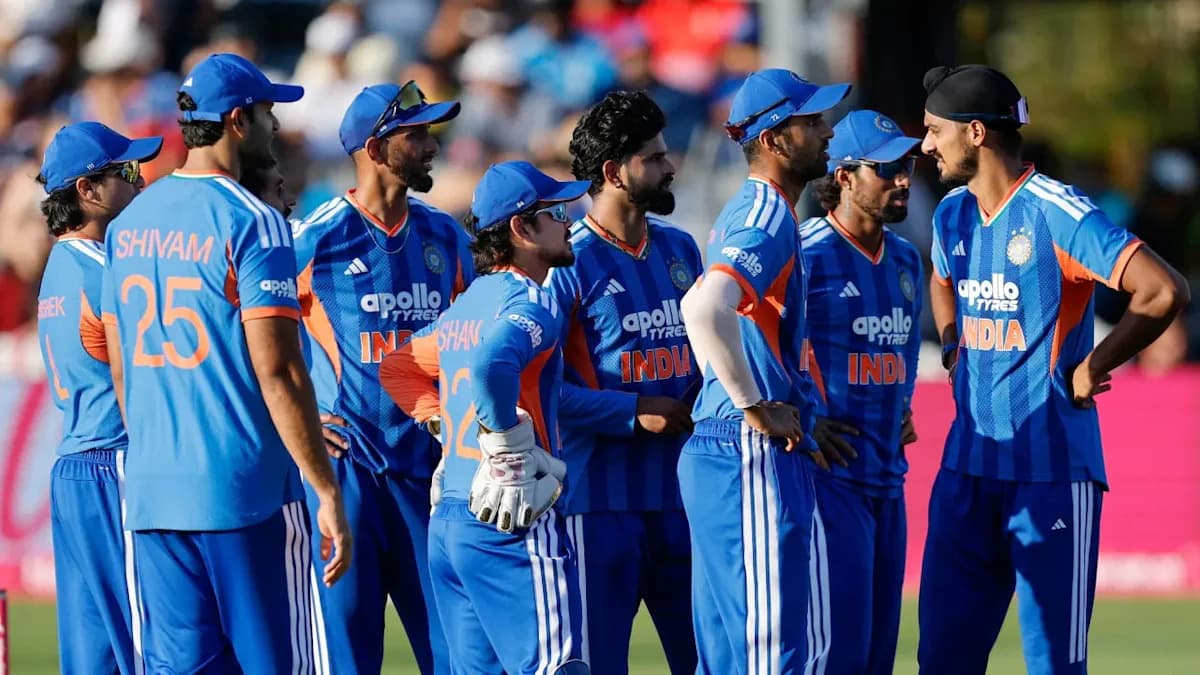
By the time India’s T20 world champions walk out to play Japan on Tuesday, Alan Curr will have lost track of how many jobs he has done. He has checked security plans, put up hospitality tents, and helped turn a modest ground with 500 permanent seats into a stage fit for the game’s biggest draw.
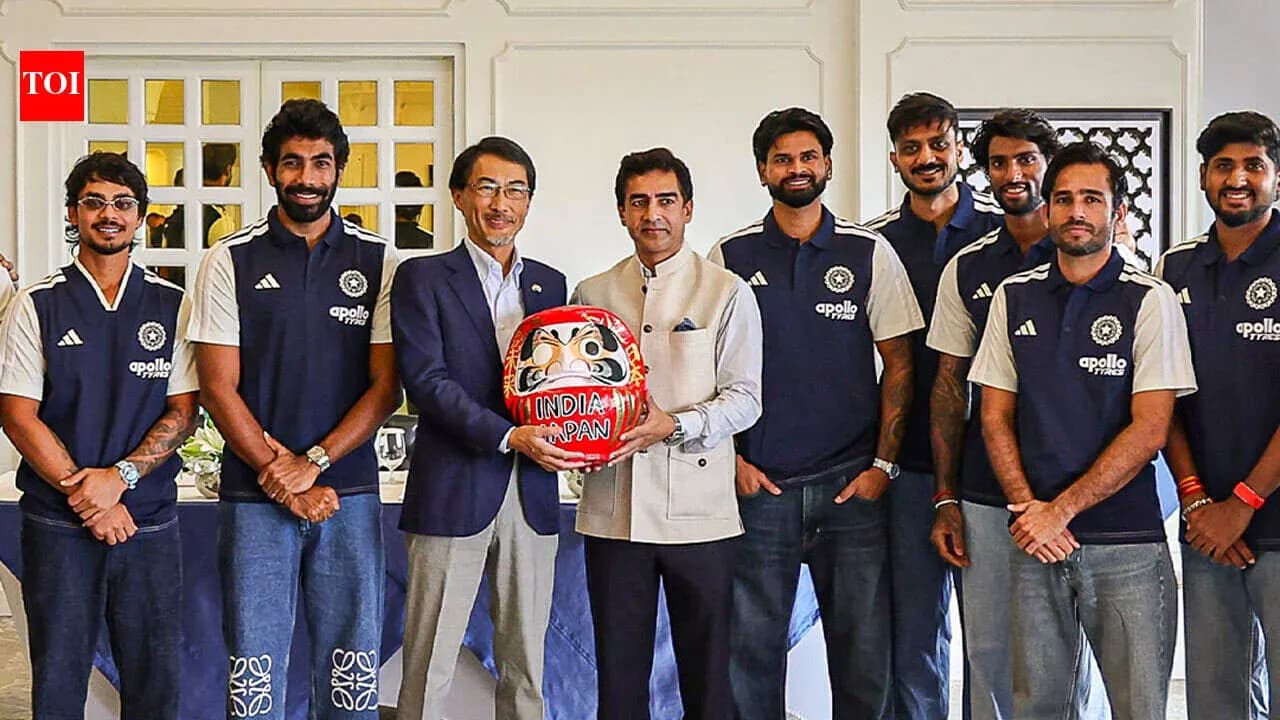
For Japanese cricket, simply getting India here is the victory. The result on the scoreboard is almost an afterthought.
“A lot of success has almost already happened,” Curr said, speaking to select media. India have agreed to come. Japanese broadcasters and reporters are turning up to learn a sport that still sits on the fringes of the country’s crowded sporting landscape. Cricket, for once, is making noise in Japan.
Cricket’s loudest moment in Japan
Cricket is not a stranger to these shores. It arrived in the 1870s. It never truly settled.
Baseball rules the diamonds. Football fills stadiums. Sumo, basketball, golf, tennis, boxing — they all sit higher in the national consciousness. Against that backdrop, India’s visit is less a routine T20I than a statement.
“Of course it helps to say that the reigning world champions, the No. 1 ranked team in the world, are coming to Japan,” Curr said. Interest has spiked. Curiosity has been stirred. But he knows this is only a start, not a breakthrough. Cricket still sits outside the mainstream.
That mainstream, though, is exactly what the JCA is chasing.
The calendar has fallen kindly. Just days after India’s visit, cricket returns to the Asian Games in Aichi-Nagoya. It gives Japan a rare chance to explain the sport to a nation through a familiar platform — a multi-sport event that carries real weight here.
“The Asian Games gives cricket legitimacy that it didn’t have before,” Curr said. “You can’t be what you can’t see.” For once, Japan will see plenty: India’s stars in Sano, then cricket on a major Games stage.
Quiet growth, Kaizen mindset
This moment has not arrived out of nowhere. Behind the scenes, cricket has been inching forward for a decade.
When Curr arrived in 2014, Japan had around 3,000 registered players. Today, that number stands at 8,800. The Japan Cup, the domestic T20 competition, has swelled from barely a dozen sides to more than 80 teams. The 40-over league now stretches across four divisions.
“Kaizen is the word,” Curr said. Continual improvement. A philosophy Japan knows well, now being applied to a sport still learning the language of the country. Most days, progress is incremental — another junior program, another local club, another converted baseball field.
Then there are weeks like this, when everything accelerates.
Japan have already played at Under-19 World Cups. They have faced India and Pakistan at youth level. The women’s team has represented the country at the Asian Games. But this, hosting India’s men in a full T20I, is different.
This is senior international cricket against a Full Member, on home soil, with the world champions in town. Different pressure. Different spotlight. Different opportunity.
Winning hearts, not just overs
Nobody in Sano is under any illusion about the scale of the task. Japan are not preparing for a fair fight on paper.
“This India team is pretty good,” Curr said bluntly. “It’s going to be an extremely difficult challenge for players who have never played at that level before.”
The aim, then, shifts. Japan are not measuring success in runs and wickets alone. They are chasing something less tangible but far more important for the sport’s future here.
Curr points to a recent example. After their Asian Games match against India, Japan’s women’s team stayed back on the field, thanking supporters, chatting with fans, posing for photos. It was noticed. It was praised. It felt distinctly Japanese.
That is the identity he wants the men’s side to project.
“We want cricket to be played hard but also be accessible and friendly,” he said. “We want cricket to be fun.” If thousands of first-time spectators leave Sano with that impression, and not just memories of India’s star power, then Japanese cricket will have hit its target.
How clay, not contracts, brought India to Sano
This historic fixture did not come from a glossy expansion blueprint or a marketing deck. It began with dirt.
Eighteen months ago, the JCA decided to relay the turf square at Sano. They turned to Sri Lanka Cricket for expertise. An SLC groundsman flew in, studied the conditions, and helped identify the right clay. That same clay was later used to build the Asian Games cricket venue in Nagoya.
Once those pitches were laid, a simple thought emerged: if Japan now had international-standard wickets, why shouldn’t the world’s best teams use them?
In March, with the square completed, the JCA put together a proposal and sent it to every Full Member ahead of the ICC conference in Edinburgh. It was a bold move from a small board, but the response from India changed everything.
Conversations with the BCCI began in Scotland and, to Curr’s surprise, gathered speed quickly.
“The BCCI were really keen to have an opportunity to train,” he said. “It’s huge credit to them that they’re excited about coming here and building this relationship with the JCA.”
The schedule fell into place. With the Asian Games starting shortly after, India’s men would otherwise have spent close to a week waiting for their knockout fixture without proper facilities. Sano offered them a training base. From there, the idea of a full T20I followed naturally.
Now, all that careful planning runs into one final opponent: the weather. A typhoon still lurks in the forecast. Covers will be dragged on and off. Fingers will be crossed.
If the clouds clear, though, Japan will walk out to face India in a match that means far more than a line in the T20I records. It will be broadcast live back home on FanCode at 9:30 am IST on September 22. In Sano, it will be watched by thousands seeing cricket properly for the first time.
The question is no longer whether Japan can compete with India over 20 overs. It is what this one game might do for the next generation who decide, on a rainy morning in Sano, that cricket is their sport.