England's Comeback: Wong and Villiers Turn the Tide Against Ireland
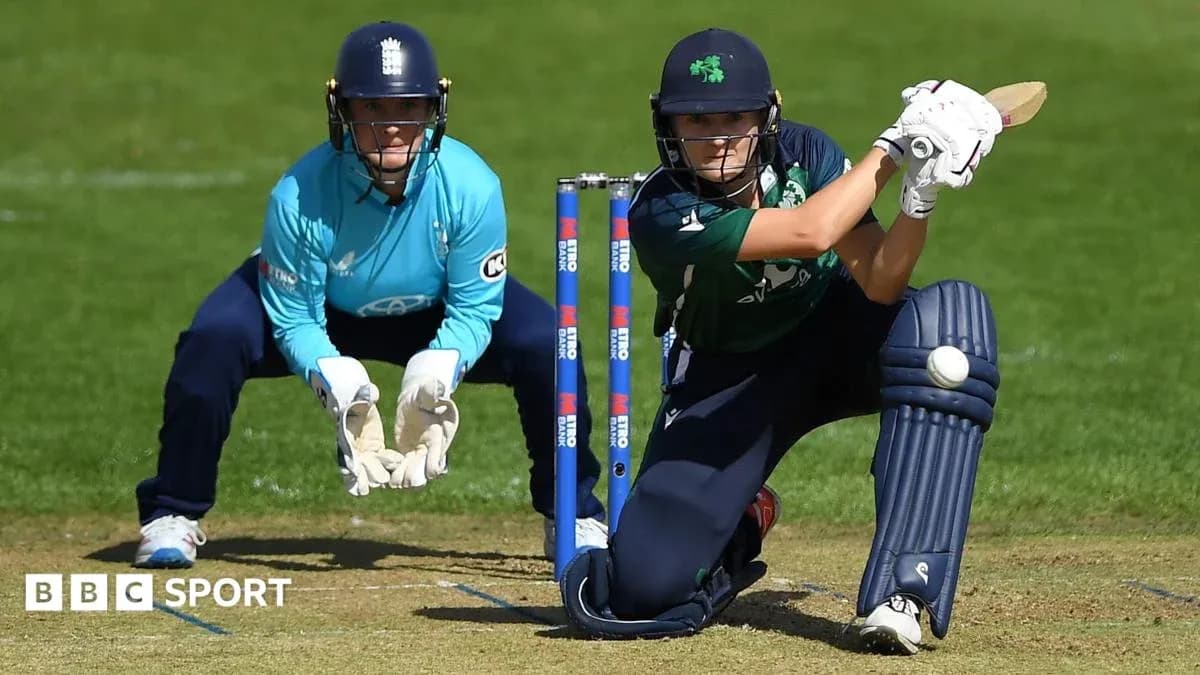
For a while, Ireland were cantering. Gaby Lewis was ticking, Orla Prendergast was lurking, and England’s attack looked short of answers and rhythm.
Then Issy Wong and Mady Villiers changed the mood.
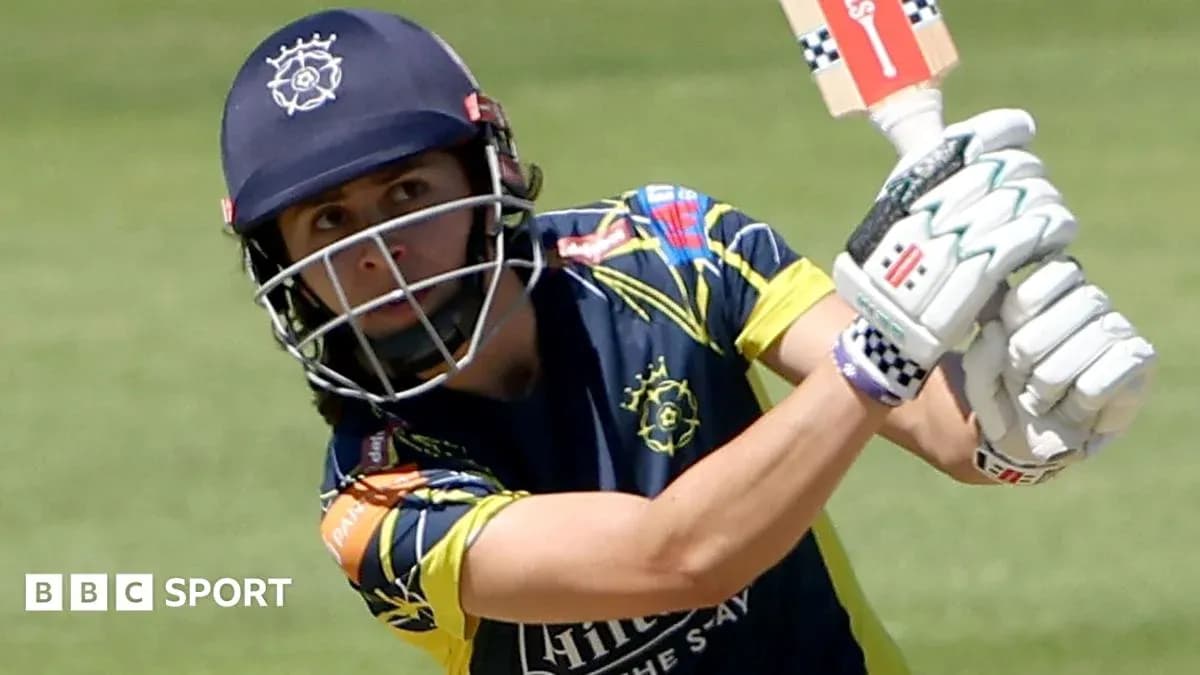
Wong’s breakthrough flips the script
At 149-1, Ireland had the platform every batting unit dreams of. Lewis was on 69, well set, busy and precise. Wong, by contrast, had looked ragged earlier, her radar drifting and her confidence clearly under strain.
The switch came with a simple change of end.
The moment she turned around and ran in from the other side, her body language hardened. The scattergun early spell vanished. The ball came out quicker, straighter, with that bit of fizz that makes batters second-guess their footwork.
The reward was immediate. Lewis, who had been so secure, was beaten in the most old-fashioned way. Wong found just enough nip off the pitch, threading the ball between bat and pad. Timber everywhere. Lewis gone for 69. Ireland 149-2 and suddenly jolted.
Wong didn’t hold back. A leap, a roar, teammates swarming. It wasn’t just a wicket; it was a release. The kind of moment that drags a bowler back into the contest and drags a team with her.
Prendergast, a key danger, was kept stuck on nought in the aftermath. The wayward stuff from Wong disappeared. Lines tightened. Lengths sharpened. England, who had been drifting, had a grip again.
Villiers turns threat into reward
If Wong supplied the jolt, Villiers provided the squeeze.
All afternoon, the numbers backed up what the eye could see: Mady Villiers was England’s most threatening spinner. She ripped the ball more than any of her colleagues – 2.8 degrees of spin compared with Tilly Corteen-Coleman’s 2.2 and Charlie Dean’s 2.0 – and she kept aiming at the stumps, challenging them roughly once every four balls.
This wasn’t float-and-hope spin. It was aggressive, busy, constantly asking questions.
Her moment came with Ireland on 172-2, Prendergast starting to free her arms and the pressure swinging back. Villiers dragged one down – the sort of delivery spinners usually wince at the moment it leaves the hand.
Prendergast, striking it beautifully all innings, went hard again. She connected too well. The ball sailed to deep mid-wicket, where Maia Bouchier covered ground to her right and flung herself forward for a tumbling catch.
Prendergast gone for 19. Ireland 172-3. A poor ball, a clean strike, and a massive wicket. Sometimes the game refuses to follow the coaching manual.
The dismissal felt bigger than the numbers. It clipped Ireland’s momentum just as they looked ready to launch. It also validated the pressure Villiers had been building over spell after spell, turning threat into tangible reward.
Villiers’ attitude matched her figures. She threw herself around in the field, sprawling to her right to cut off a boundary at the end of her over, fully committed to the scrap. She looked like a bowler who wanted a fight and was relishing every small win.
Capsey grows into the gloves, Corteen-Coleman battles
Behind the stumps, another England story was quietly unfolding. Alice Capsey, in only her second professional match as a wicketkeeper at any level, stood up to Issy Wong’s pace and coped impressively.
One rising ball from Wong kicked near shoulder height. Capsey took it cleanly, soft hands, no fuss. It was the kind of take that settles dressing-room debates. Those inside the England camp had talked up her keeping potential at the start of the summer; out in the middle, she was backing that talk with action.
Not everything in England’s attack clicked. Tilly Corteen-Coleman endured a loose day. Even with a packed off-side field, she pushed too wide and was punished with four more runs, the over compounded by a no-ball. Ireland’s 165-2 scoreline at that point reflected both their composure and England’s inconsistency.
Yet the pattern shifted as the innings wore on. Wong’s recalibrated spell, Villiers’ grip on the middle overs, and Capsey’s composure behind the stumps pulled England back from the brink of a potentially huge total.
Ireland still stand tall, but England land their blows
Ireland’s scoreboard told its own story: 174-3, a strong position built on Lewis’ 69 and steady support around her. Rebecca Stokell arrived after Prendergast’s dismissal, missed her first ball on the drive, then got off the mark second delivery. Calm, controlled, no panic.
England, though, had finally found some teeth.
Wong’s breakthrough, Villiers’ cunning and aggression, Capsey’s sharp work with the gloves – these were the moments that stopped Ireland from running away entirely. The game, which had looked one-sided for long stretches, now carried a more even, intriguing tension.
If this is a glimpse of England’s next phase – Wong recalibrated, Villiers attacking, Capsey evolving as a keeper – how far can this attack go once it truly clicks?