England Dominates Ireland in Record ODI Chase
England’s second string did not so much chase as dismantle in Leicester, storming to a record ODI pursuit that turned a potentially tricky assignment against Ireland into a statement about the depth of the white-ball side.
Set 282, an experimental XI minus Heather Knight, Tammy Beaumont, Nat Sciver-Brunt, Danni Wyatt-Hodge, Amy Jones, Sophie Ecclestone and Lauren Bell cruised home by six wickets with 71 balls unused. The scoreline said control. The manner of it said something more.
Bouchier and Dunkley rip up the script
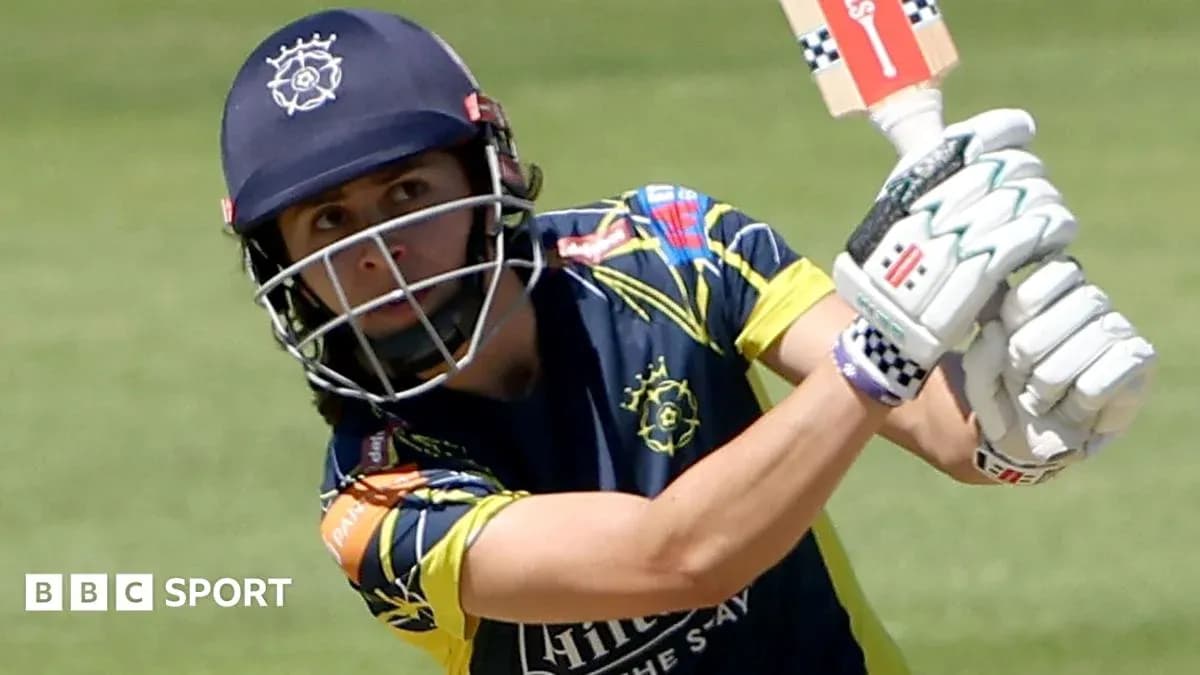
Any nerves about a senior core resting disappeared almost immediately. Maia Bouchier and Sophia Dunkley walked out with licence and made Ireland’s total look light inside an hour.
Dunkley set the tempo, Bouchier matched it, and together they ransacked 143 for the first wicket inside 20 overs. The pair treated the powerplay as a launchpad, not a period of reconnaissance. Drives fizzed, pulls clattered, and anything remotely off line disappeared.
Bouchier, compact and ruthless, peeled off four boundaries in a row off Jane Maguire early in the chase, a clear signal that England would not be inching their way towards history. Dunkley, all busy footwork and clean striking, rattled along to 73 from 61 balls, punishing anything short or overpitched.
By the time Dunkley was gone, smartly caught and bowled by leg-spinner Cara Murray, the damage was deep. Her 73 had broken the back of the chase, and Bouchier was already homing in on something more personal.
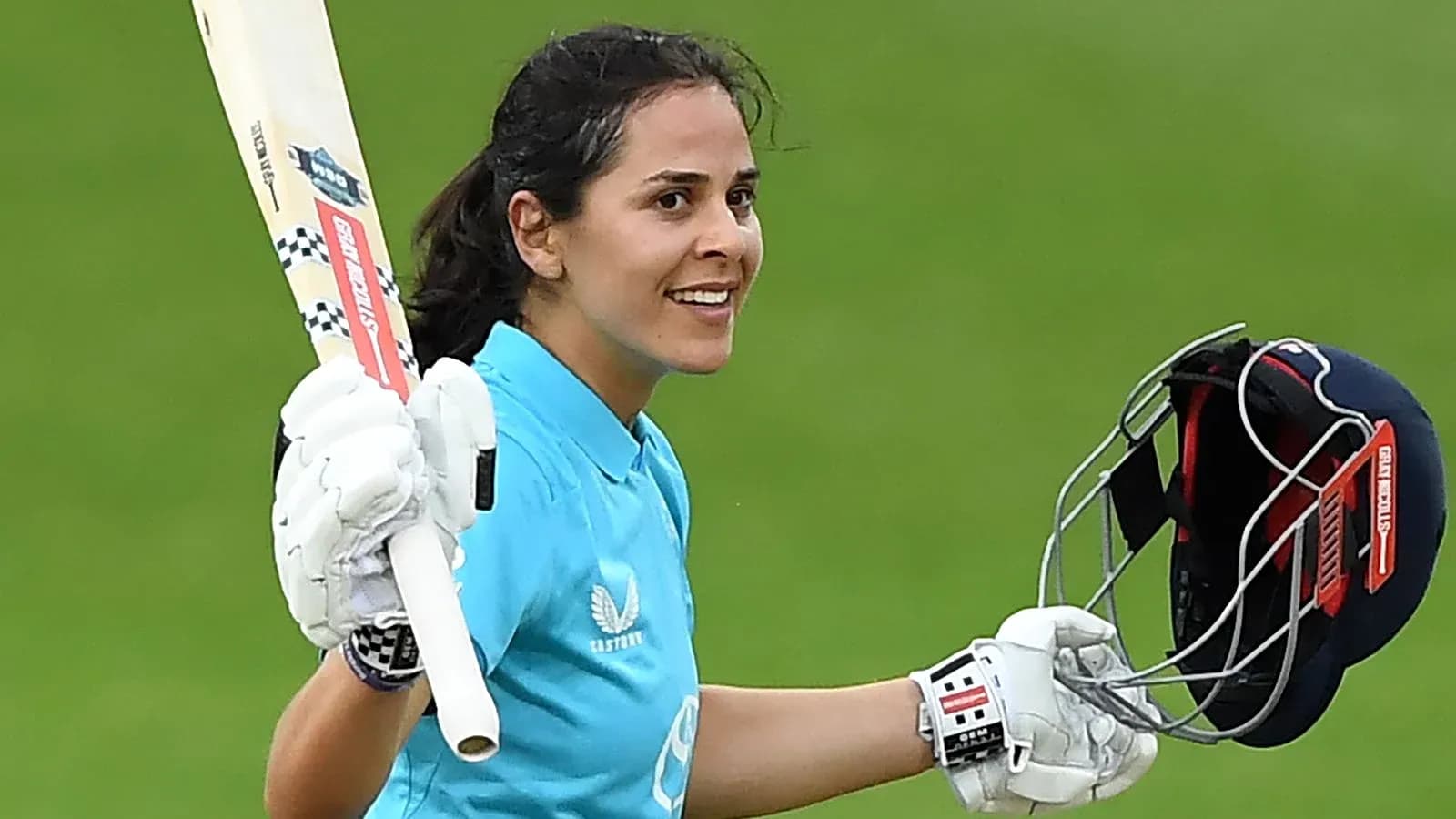
She did not waste the platform. The right-hander moved through the gears with authority, bringing up her second ODI hundred from 95 balls, a knock threaded with timing rather than brute force. When she finally holed out off Arlene Kelly for 104, England needed just 59 more. The game, realistically, had long gone.
This was England’s highest successful ODI chase, surpassing the 267-8 reeled in against Australia at Bristol during the 2023 Ashes. On that day, Knight and Beaumont carried the load. In Leicester, their successors made a compelling audition.
Ireland bat well, England bowl scruffily
That it felt so routine by the end disguised how awkward Ireland’s total had looked at halfway.
Without Ecclestone and Bell, and with Sciver-Brunt and Jones also sitting out, England were ragged. They sprayed 20 wides, conceded 33 extras in all, and never quite found rhythm with the ball.
Ireland capitalised. After Issy Wong’s erratic early burst – four wides in a row in her third over, albeit with Alice Tector nicked off for 11 – captain Gaby Lewis and Amy Hunter took control. They ran hard, picked gaps, then started to pierce the boundary boards.
From 13-1 they motored to 149-1 in a stand of 136 for the second wicket. Lewis compiled a composed 69, Hunter 62, both mixing hustle with clean hitting. For a spell, England’s bowlers looked short of answers and short of discipline.
The breakthrough came from Wong, who finally nailed one, bowling Lewis through the gate. The dismissal checked Ireland’s surge and opened the door for stand-in skipper Charlie Dean.
Dean, the most assured of England’s attack, trapped Hunter and finished with 2-44, using flight and subtle changes of pace to drag the innings back under some semblance of control. Mady Villiers chipped in by removing Orla Prendergast for 19, Bouchier flinging herself forward at deep midwicket to pull off a superb diving catch.
Still Ireland refused to fold. Rebecca Stokell and Leah Paul stitched together 84 from 71 balls for the fifth wicket, Stokell ending unbeaten on 54 and Paul adding 29. For all England’s looseness, Ireland’s batting had backbone.
Yet just when they needed a final surge, Dean and Wong shut it down. Across the last four overs, Ireland mustered only 24 runs, and not a single boundary off the bat. The most dramatic moment was accidental: a Wong delivery thudded into Stokell’s leg stump and somehow failed to dislodge the bails, racing away for four byes.
At 281-5, Ireland had done plenty right. But they had also left the door open.
Capsey shines with gloves as fielding falters
If England’s bowling was untidy, one experiment worked beautifully.
With Jones rested, Alice Capsey took the wicketkeeping gloves and looked as though she had been doing it for years. A sharp, one-handed catch to her right in the fifth over set the tone; her movement and handling stayed crisp throughout.
For a player already juggling batting and off-spin, this was another string to an increasingly crowded bow. If she maintains this level behind the stumps over the series, the long-term shape of England’s XI shifts. Jones, such a fixture for so long, suddenly has genuine competition.
The rest of the fielding did not match Capsey’s standard. Misfields crept in, throws went astray, and the overall impression was of a side a fraction off their usual intensity. Dean admitted as much, conceding they “could have been a little tighter with the ball” and “sharpen up in the field”.
Ireland, though, were no better. Their own lapses would prove fatal.
Murray strikes, but Kemp and Capsey slam the door
If Ireland were to defend 281, they needed discipline. They did not get it. Too many balls landed in the slot, too many width-laden offerings begged to be hit. Boundaries flowed, pressure evaporated.
Murray did her best to drag them back. The leg-spinner was the standout, claiming 3-58, including Dunkley to a sharp caught-and-bowled and a beautifully flighted delivery that bowled the inexperienced Jodi Grewcock for nine. When she removed Grewcock in the 24th over, England were 173-2. There was still a game to be shaped.
Bouchier and Capsey promptly killed that notion, adding 50 from 47 balls with minimal fuss. By the time Bouchier fell for 104 in the 32nd over, Kelly finding the fielder with 59 still needed, the chase had become a procession.
Freya Kemp then turned it into an exhibition. The left-hander tore into Kelly in the 34th over, drilling four consecutive fours to underline England’s dominance. It echoed Bouchier’s earlier assault on Maguire and hammered home the gulf in control between bat and ball.
Kemp’s 36 from 22 deliveries came in a 54-run stand with Capsey, who anchored calmly for 41 not out from 40 balls. Kemp eventually perished trying to finish it in style, caught off Murray at deep midwicket attempting a match-sealing six. The result was beyond doubt long before the catch was taken.
The final act summed up Ireland’s day. A misfield on the deep midwicket rope allowed Capsey’s winning stroke to reach the fence, a scruffy end to a performance that had promised more with the bat than it delivered with ball or in the ring.
A new blueprint, and new questions
Dean called taking on the powerplay in 50-over cricket “a good blueprint to have”. On this evidence, it is more than that. It is England’s identity when the next generation takes charge.
Dunkley blazing, Bouchier compiling, Capsey multi-tasking, Kemp finishing – all while senior heads rest – is the kind of headache selectors welcome. The fielding and discipline with the ball will worry them, but those are fixable flaws, not structural ones.
Ireland, for their part, leave Leicester with a scorecard that shows promise and a margin of defeat that shows the gap. Their batting stood up; their bowling and fielding must follow in Derby and Worcester.
England are 1-0 up, record chase in the bank, experiments largely vindicated. With two matches left in the series, the question is no longer whether this new-look side can cope without its stars.
It is how quickly they become stars in their own right.