England's New Era Roars to Life with ODI Victory Over Ireland
England’s new era did not creep into life. It roared.
On a flat Leicester surface where 281 once looked a decent ask, England’s remodelled batting order shredded the chase with 11.5 overs to spare, storming to 283-4 and a six-wicket win over Ireland in the first ODI at the Uptonsteel County Ground.
This was their highest successful chase in women’s ODIs. It felt routine.
Bouchier grabs her moment
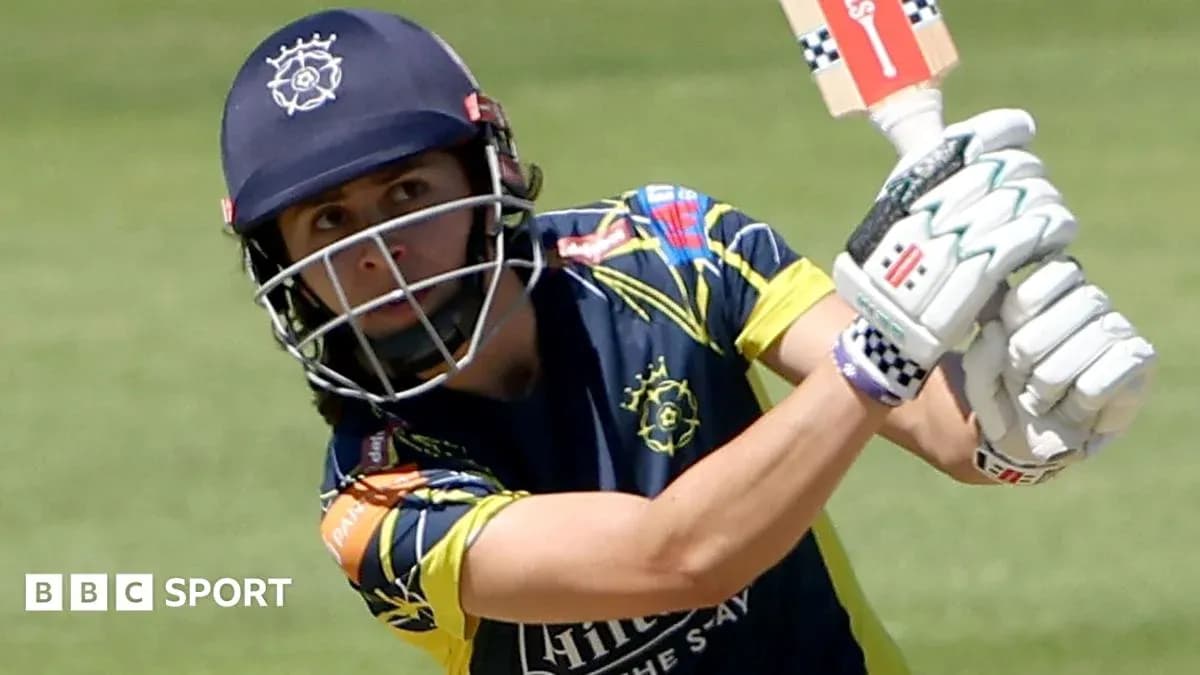
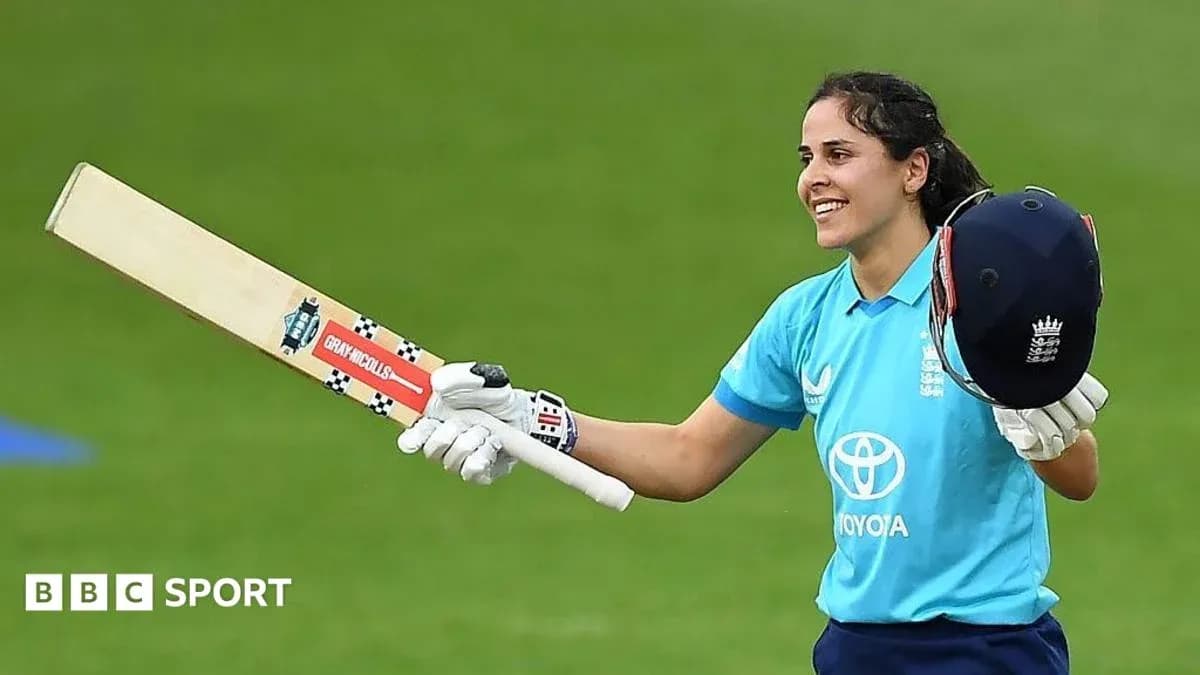
Maia Bouchier has hovered on the fringes of England’s white-ball sides for years, trusted often enough but never truly entrenched. With Heather Knight and Tammy Beaumont retired and Nat Sciver-Brunt injured, this was an audition with the spotlight at full glare.
She walked off with 104 from 95 balls and the match in her pocket.
Her start was cautious, almost tentative: eight runs from her first 19 deliveries, content to let Sophia Dunkley take the early risks. Then came the sixth over, Jane Maguire running in, and Bouchier suddenly shifted gear. A burst of boundaries snapped her into rhythm and Ireland’s bowlers never really dragged her back.
By the end of the powerplay, England were 72-0. Dunkley had surged to a 47-ball fifty, her fastest in ODIs, lashing anything remotely loose as Ireland’s attack sagged. Bouchier, initially the supporting act, grew steadily into the lead role.
The pair put on 143 for the first wicket and with every over the target shrank and the sense of a contest with it. Dunkley eventually fell for 73, a sharp caught-and-bowled by Cara Murray in the 20th over, but the damage was done. The chase was already on rails.
New faces, same ruthlessness
If this is a transition, it is a ruthless one.
Jodi Grewcock, one of the fresh names in Charlotte Edwards’ evolving XI, looked understandably tight in her brief stay, scratching to nine before departing. Bouchier did not blink. She assumed full control, picking off gaps, punishing width, and refusing to let the rate drift.
At 200 was in sight, Ireland needed a mistake. They got one. On 104, Bouchier miscued to long-on, a lapse of concentration that visibly irked her as she trudged off. England still needed 59. Ireland had the faintest sliver of hope.
Alice Capsey and Freya Kemp slammed that door shut.
Capsey, all busy feet and sharp angles, immediately disrupted the bowlers’ lines. Kemp brought raw power, clubbing 36 from just 22 balls. Their partnership of 54 from 38 deliveries turned the closing stages into a procession, Ireland’s fielders chasing leather and opportunities that had long gone.
Capsey, unbeaten on 41, threaded the winning boundary and with it a statement: five batters missing from last year’s World Cup semi-final XI, yet the depth looks stronger, not weaker.
Ireland bat well, but feel the gap
Ireland’s day began with promise. It ended with a reminder of the gulf that still exists.
Put in on a placid pitch, they posted 281-5 and at halfway could feel quietly satisfied. Gaby Lewis anchored with 69 from 89 balls, Amy Hunter matched her composure with 62 from 90, and together they stitched a 136-run stand for the second wicket that gave the innings structure and belief.
England’s attack, missing Lauren Bell and Sophie Ecclestone, looked short of bite in the middle overs. The ball softened, the pitch stayed true, and Ireland’s batters cashed in. When Rebecca Stokell arrived and counter-attacked with a bright, unbeaten 54 from 48 deliveries, the total swelled into something that looked genuinely competitive.
For a side still learning to live consistently at this level, it was an accomplished batting effort.
The problem came when the roles reversed.
On the same benign surface, Ireland’s bowlers found neither movement nor menace. Lines drifted, lengths slipped, and the fielding frayed under pressure. Murray’s 3-58 offered some respectability, but only Orla Prendergast carried the sort of threat associated with top-tier international attacks. Against an England side batting with freedom and without fear of failure, that was nowhere near enough.
Ashes in the distance, chances in the present
This series is about far more than a 1-0 lead. It is about the shape of England’s top order heading into next summer’s Ashes.
Beaumont and Knight, two pillars of an era, are gone. Sciver-Brunt will return, but Edwards needs new certainties around her. Dunkley and Bouchier, both familiar but not yet fully established in this format, seized the first opportunity to stake their claims.
The opposition will get tougher. Attacks sharper, fields tighter, mistakes more ruthlessly punished. Edwards knows that. So do her batters.
Yet for one afternoon in Leicester, the blueprint looked clear: aggression without recklessness, depth without dependence on one or two stars, and a willingness to trust the next generation with real responsibility.
The series moves to Derby on Thursday. Ireland must find a way to turn a competitive total into a competitive contest. England, suddenly buoyant and bristling with options, will be asking a different question: if this is the starting point of a new era, just how high can this batting order climb?