England and Pakistan in Tight Test Match at Lord's
Rain, shadows and a score that could go either way. Lord’s does this sometimes. It doesn’t so much host a Test as stage a slow-burn drama, and on day one of the second Rothesay Test, England and Pakistan felt their way into a contest that refuses to declare a favourite.
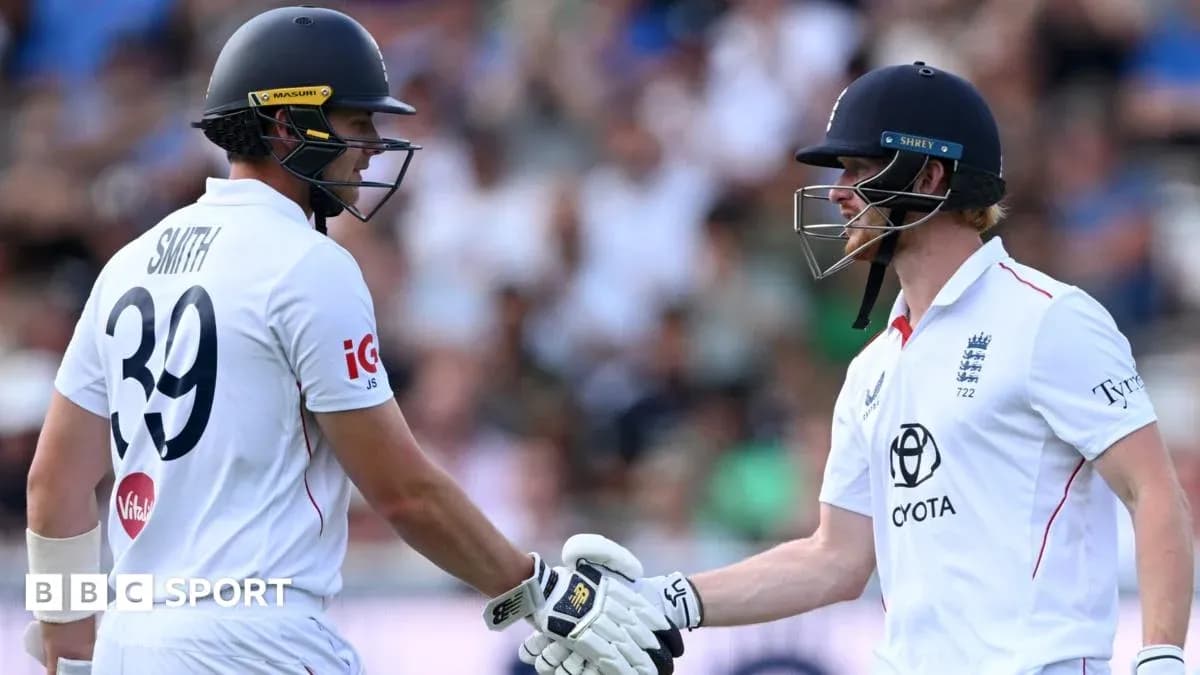
By the close, England had scrapped their way to 248-9 in murky light, Jamie Smith’s 61 and Jordan Cox’s 55 the backbone of a total that might yet prove stubborn, might yet prove short. Pakistan, led by the relentless Muhammad Abbas with 4-56 and backed by Mohammad Ali’s late incision, will only know how good a day this was when their own batters walk out.
For now, it’s a stalemate wrapped in drizzle.
England grind through the gloom
Play began late, at 12:20 BST, the morning swallowed by rain and the afternoon by a low, brooding sky. Floodlights blazed. This was not a day to be a batter, and England’s top order looked exactly like men trying to survive rather than dominate.
Root, back as captain and fresh from steamrollering Pakistan at Headingley, would surely have bowled first had he called correctly. Babar Azam did, and didn’t hesitate. The tourists unleashed a trio of fast-medium seamers perfectly tailored to the conditions and, unlike at Leeds, they found their lengths quickly and held them.
Abbas was the pick. Classical, nagging, remorseless. At one point he tore through England with three wickets for four runs in 16 balls, dismantling the top order and silencing a crowd that had arrived expecting more home dominance.
Emilio Gay was the first of that burst, feathering one down the leg side, an unlucky dismissal on a day when any mistake felt terminal. Ben Duckett followed, undone by Abbas’s precision. Then Root, reprieved once when Imam-ul-Haq shelled a low chance at third slip on one, nicked off soon after for four. The early Headingley swagger was replaced by a more sober, sleeves-rolled-up effort.
England did not help themselves. Dan Lawrence, having been handed a life when Shan Masood spilled a simple catch at mid-wicket on 10, then ran himself out for 17 after a mix-up that felt entirely in keeping with a stop-start day. Harry Brook, always eager to drive, was bowled by Ali as the ball nipped down the famous Lord’s slope and snuck through his defence.
At 6-3 and then 117-5, the sense grew that Pakistan were one good spell away from knocking England over cheaply and seizing the series back.
Smith and Cox steady a wobbling ship
The resistance came from a pair who, not long ago, would have been pencilled in as England’s future. They are now very much the present.
Jamie Smith, in need of a substantial score, delivered one with calm authority. His 61 was not a flourish-laden innings, but a measured, technically sound response to a day that demanded discipline. He left well, drove when the ball over-pitched, and refused to be drawn into the loose strokes that had cost others.
Alongside him, Jordan Cox continued his quietly impressive start to Test cricket. In only his third match, he looked like a man who has already worked out what he can and cannot do at this level. Cox’s 55 was full of judgement and patience, the sort of innings that rarely makes highlight reels but wins the respect of dressing rooms.
Together they added 67 for the sixth wicket, an old-fashioned partnership built on survival first, then accumulation. It didn’t swing the game, but it stopped England from sliding into the kind of score that kills a side inside two days.
Ali eventually found a way through Smith, one of three batters he bowled with deliveries that jagged down the slope and punished any miscalculation. Brook and Ollie Robinson were his other victims, all beaten by that same subtle movement.
Pakistan’s chances – and misses
For all their improvement with the ball, Pakistan will know they let England off the hook.
Three chances went down. Imam’s drop of Root cost little in the end, but it fed a sense of uncertainty in the cordon. Masood’s miss at mid-wicket off Lawrence looked costly until he redeemed himself with a sharp run-out to remove the same batter on 17.
The big one came behind the stumps. Mohammad Rizwan, usually so reliable, spilled a chance that lingered in the air and in the mind. His positioning, and that of the slips, told a story: they stood too deep for much of the day, a number of edges dying in front of them, the bowlers repeatedly beating the bat without reward. On a surface offering just enough, those fine margins matter.
Still, the tourists will take heart from their control. This was a different Pakistan from the one that wilted in Leeds. The lines were tighter, the lengths fuller, the discipline stronger. Babar’s return from a hand injury brought a calm presence and a sharper edge to the field. This time, they looked like a side that believed they belonged in the contest.
Atkinson’s late surge changes the mood
Just as Pakistan began eyeing a swift finish, Gus Atkinson walked out and swung the tone of the evening.
His unbeaten 34 was not reckless, but it was bold. He farmed the strike smartly, hit cleanly when the ball was in his zone and dragged England from a precarious position towards something more competitive. Tail-end runs at Lord’s have a habit of echoing through a match; this felt like one of those cameos that both irritates bowlers and energises teammates.
By stumps, with England 248-9 and the light finally too poor to continue, Root would have loved one more over with the new ball under that grey ceiling. The chance never came. Pakistan’s batters will instead start fresh, but with the memory of England’s struggle still hanging in the air.
A tight Test in a troubled week
All of this unfolded against an awkward backdrop for England. The Carse incident – another late-night drinking controversy, another police investigation, another player removed from a Test squad – has cast a shadow over what should have been a straightforward push for a first Test series win since 2024. Carse turning out for Durham in the County Championship while his international future sits under scrutiny only adds to the sense of unease.
On the field, though, there were signs of something more solid. Root’s second reign has already demanded a different kind of batting: less chaos, more graft. England were wasteful at times, unlucky at others, but they did not fold. They fought.
Pakistan, for their part, now stand at the edge of an opening. This was their chance to get back into the series, and with the ball they took it. With the bat, they must now prove they can handle the same examination England faced under low cloud and sharp seam.
The pitch is truer than the poor surface that saw off New Zealand in June, but the forecast is unsettled and the match finely poised. England’s 248-9 is neither a platform nor a collapse. It’s a question.
How Pakistan answer it over the next three days may decide not just this Test, but the shape of the entire series.