England's Struggle at Lord's: Drama Unfolds On and Off the Field
Lord’s has seen its share of theatre. It rarely stages two dramas at once.
On the field, England staggered from 36-3 to 248-9 by stumps on a murky opening day of the second Test against Pakistan, salvaging respectability through composed half-centuries from Jamie Smith and Jordan Cox. Off it, a diplomatic storm broke over the home of cricket, with Pakistan lodging a formal complaint over a lunchtime television interview about Imran Khan that briefly threatened to spill into a full-blown stand-off.
By the time bad light finally dragged the players off, the cricket had been gripping, the backdrop extraordinary.
A diplomatic flashpoint at lunch
The tension did not begin with the first ball. It erupted during the lunch interval.
The Pakistan Cricket Board contacted host broadcaster Sky Sports to protest an interview scheduled for the break with Imran Khan’s sons, including Kasim Khan, speaking to former England captain Michael Atherton. Imran, the World Cup-winning captain and former Prime Minister, has been held in solitary confinement for three years and is said to be in deteriorating health.
“It is not very clear what they are doing, just blatantly trying to kill him in there. Keep him in as long as possible, and silence him,” Kasim said in the segment.
On air, Atherton framed it starkly: “This is a humanitarian appeal, because there are increasing concerns about the health and wellbeing of Imran Khan.”
A group of former international captains, led by Greg Chappell, had already co-signed a letter this week urging Pakistan’s authorities to ensure proper medical care for Imran, whose lawyers say he has lost most of the vision in his right eye. Atherton underlined the weight of that intervention.
“The former players who signed the letter, many of them played against Imran. He’s held in the highest regard as a former player, one of the greatest players that Pakistan have produced,” he said. “And as his son said there, there’s an increasing sense of urgency around his health and we want to make sure he gets the proper and requisite medical care.”
According to Cricinfo, the PCB warned Sky ahead of the break that Pakistan’s players would not return to the field if the 18‑minute interview aired. Sky delayed the segment during those talks, then eventually ran it. By the time it finished, Pakistan’s players were already preparing to resume the second session at 2.40pm.
The game went on. But the sense of unease lingered.
Abbas and Ali rip through England’s top order
Once the focus snapped back to the middle, Pakistan’s seamers made sure the mood stayed bleak for England.
Under heavy skies on a green-tinged pitch, Babar Azam won the toss and did not hesitate to field. It proved the right call within minutes. Mohammad Abbas, who knows Lord’s as well as many county professionals, settled instantly into that familiar, nagging channel and dismantled England’s top order with ruthless economy.
His opening spell was vintage Abbas: three wickets for four runs in 16 balls, movement both ways, and just enough menace to turn every play-and-miss into an event.
Emilio Gay was the first to go, feathering a leg-side glance that demanded brilliance from Mohammad Rizwan. The wicketkeeper delivered, flinging himself full length to his left to pull off a superb one-handed catch.
Ben Duckett followed for 17, pinned lbw by an Abbas nip-backer. England’s recent discomfort against medium pace with the keeper standing up resurfaced almost immediately. Rizwan moved to the stumps, Abbas shortened his length, and Joe Root, the prize wicket, was trapped on the back leg for four.
“Joe is a big batter, so I was pleased to get him with Rizwan coming up,” Abbas said later. “When the ‘keeper is up, I am asking (questions), so we are making a plan.”
At 36-3, with the ball darting around and Lord’s floodlights already humming, England were in danger of folding inside two sessions.
Harry Brook briefly counter-punched, but Mohammad Ali produced arguably the ball of the day, jagging one back sharply to bowl him for 15. England limped to lunch at 80-4, Pakistan rampant, the scars of their innings-and-103-run defeat at Headingley suddenly looking less raw.
Smith and Cox steady a listing ship
The pressure finally told on Pakistan’s discipline, not England’s technique.
Dan Lawrence, on 10, flicked to midwicket and offered Shan Masood a straightforward catch, only for the fielder to spill it. The drop echoed the shambolic fielding that helped drag Pakistan to the bottom of the World Test Championship table in Leeds.
Lawrence did not cash in. When he turned spinner Ali Usman to the leg side and charged down the pitch for a single that was never there, Cox sent him back. Masood, perhaps still stung by the earlier miss, swooped and hit the stumps with a sharp throw to Rizwan. England were 120-5 and still in danger of wasting the platform Smith and Cox were trying to build.
From that point, though, the pair imposed a different tempo on the day.
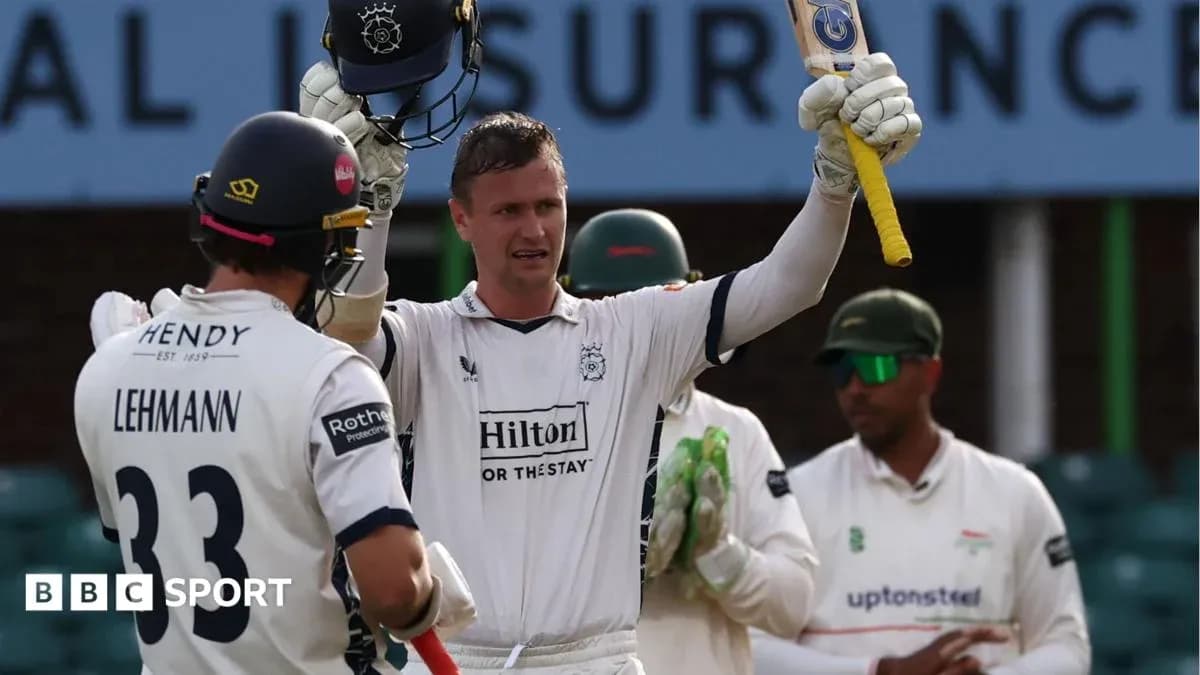
Cox, at number three and fresh from a fifty in his previous Test innings, batted with quiet authority. He worked the gaps, picked his moments, and when Ali Usman erred on line, he pounced, whipping consecutive leg-side boundaries to reach a measured fifty from 88 balls, with seven fours.
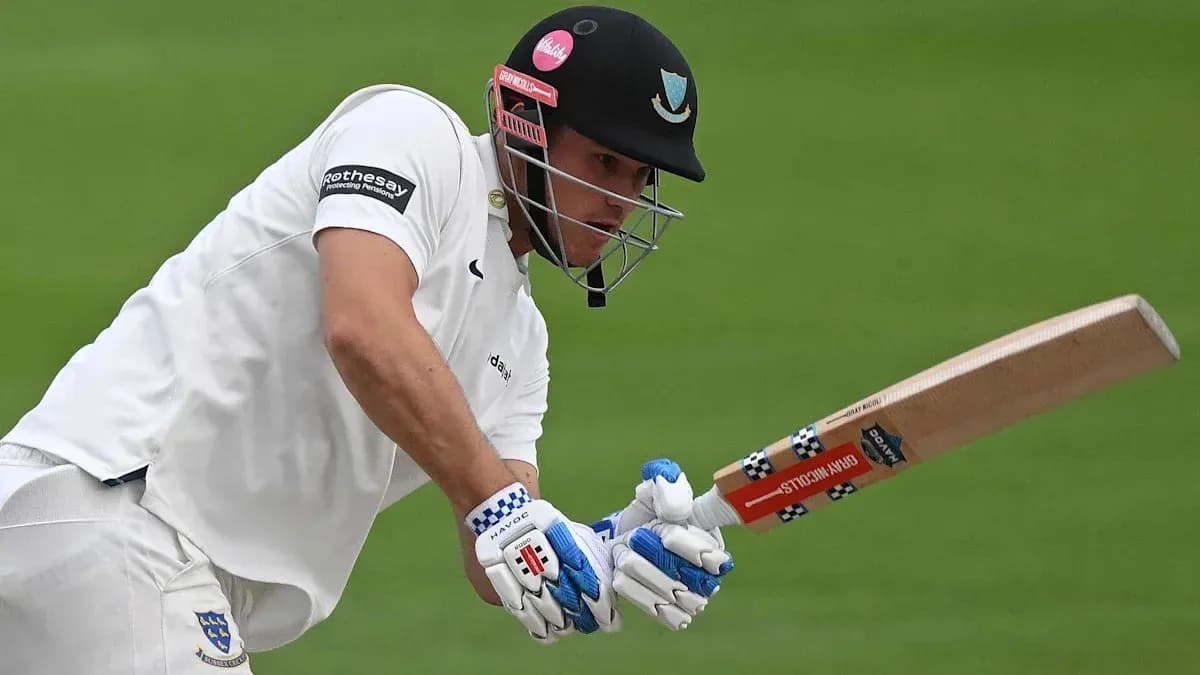
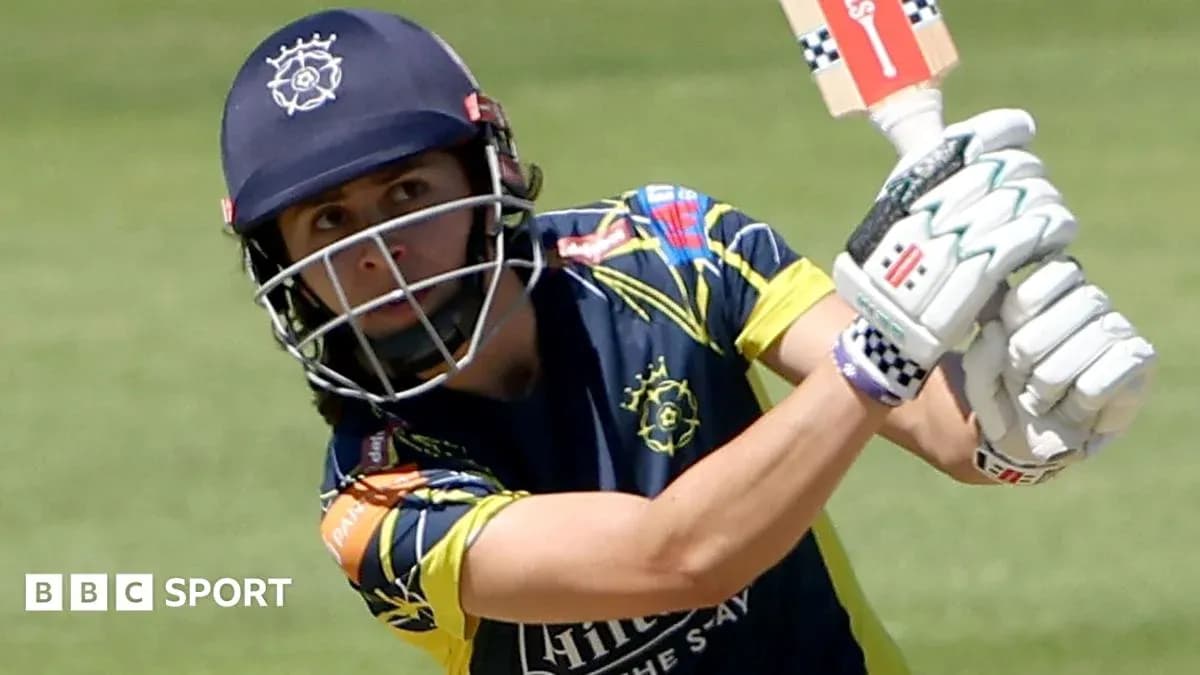
At the other end, Smith played with more urgency. His half-century came from just 63 balls, full of crisp drives and decisive footwork, a counter-attacking innings that dragged the initiative back towards England. The partnership between the two — 67 runs of stubborn, increasingly fluent resistance — changed the feel of the contest.
Pakistan needed something special to break it. They found it via a substitute.
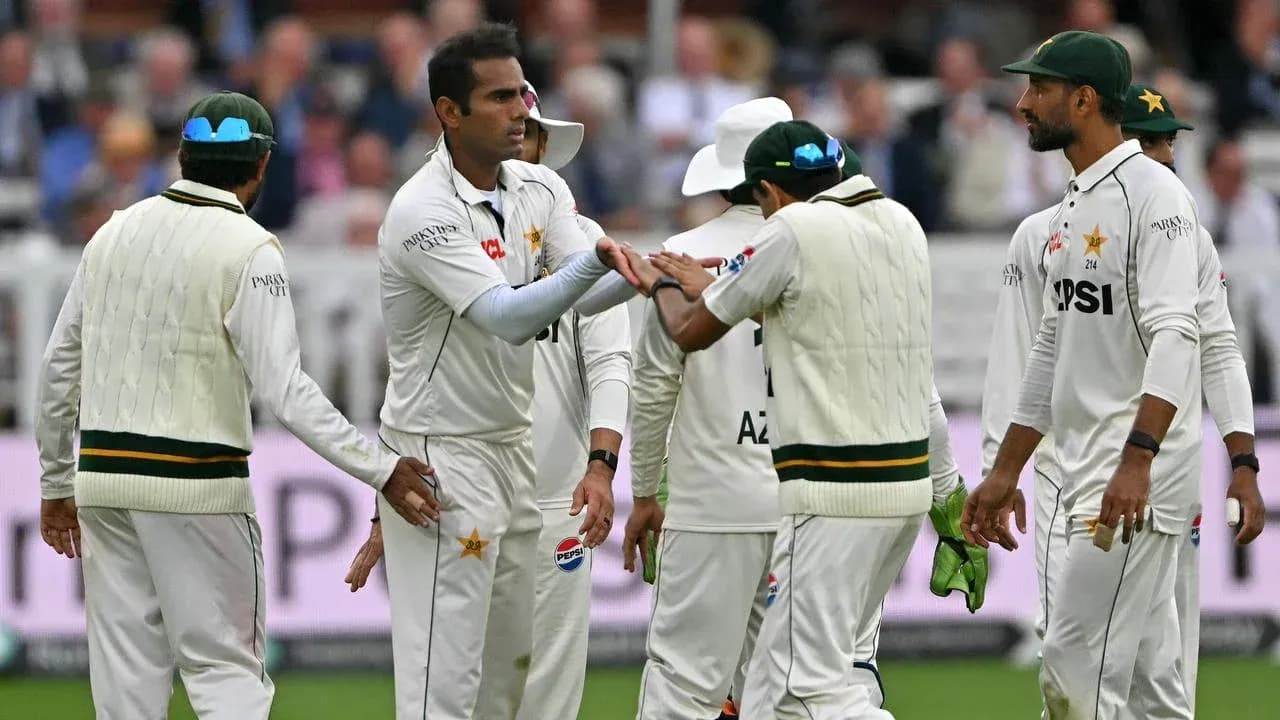
Khurram Shahzad found the edge of Smith’s bat and Agha, on as a sub fielder, flung himself at second slip to pull off a superb catch. Smith’s 61 ended in frustration, but his work was done. He had given England a foothold.
Abbas returns, Ali strikes again, light wins the day
Abbas, who finished with 4-56 from 15 overs, kept chipping away. His love affair with Lord’s is obvious. “My first man-of-the-match was at Lord’s, that’s why it’s my favourite ground — hopefully I will put my name on the honours board this time,” the 36-year-old said, eyeing a five-for and a second entry in the famous pavilion.
Mohammad Ali matched his aggression with his own brand of hit-the-seam hostility. He ended with 3-67 from 17 overs and twice rattled England late in the day. He bowled Smith’s middle order ally Ollie Robinson with another sharp nip-backer, two balls after cleaning up Smith himself, to leave England tottering again.
By then, the floodlights were doing the heavy lifting as the natural light ebbed away. The umpires eventually decided it was unsafe to continue, calling a halt with England 248-9 and Pakistan sensing they had let a dominant position slip, yet still very much in control.
From 36-3 on a day when the ball never really stopped misbehaving, England will take that. “I think it is a decent enough day for us,” Smith told Sky Sports. “The ball was doing enough, nipping around — overhead conditions obviously assisted.”
Decent enough, but fragile. Pakistan, transformed from the rabble of Headingley by a more sympathetic toss and a seam-friendly surface, have the chance to finish the job quickly on the second morning and seize command of the Test.
The question now is simple: can England’s bowlers turn a patchy 248 into something far more valuable, or will Abbas and company have already done enough to tilt this series back Pakistan’s way at the ground he calls his favourite?