Fred Little at 90: A Life Beyond the Ropes
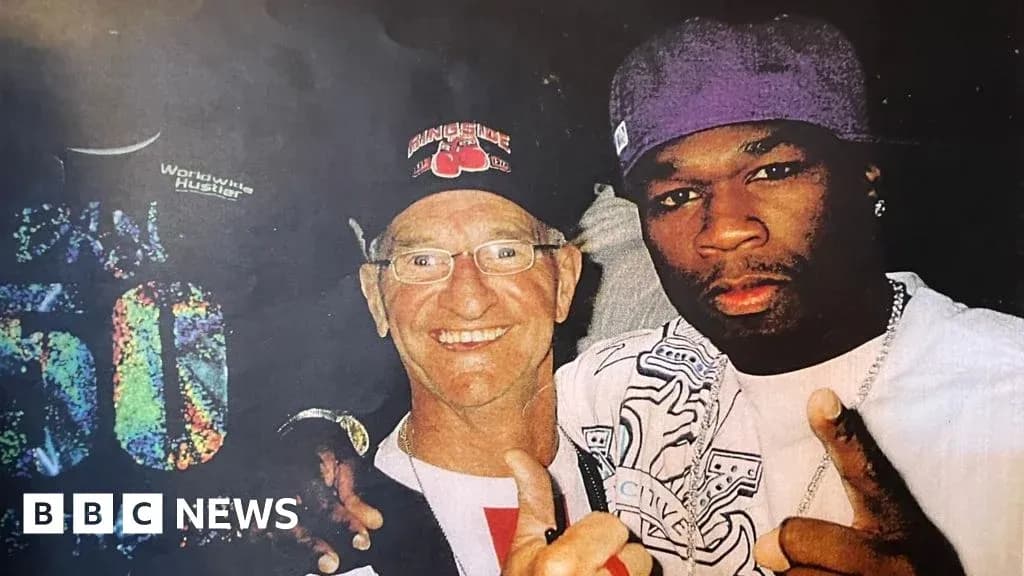
The son of a rag-and-bone man from Barton Hill should not, by any script, end up ringside in Las Vegas watching Roy Jones Jr under the lights. Yet that is exactly where Fred Little found himself, decades after sprinting through bombed-out Bristol as a child, and long after he first learned what danger looked like.
Now 90, Little looks back on a life that never once stayed in its lane.
“I had to pinch myself being among all these superstars,” he says, and it is not bravado. For years, as one of British boxing’s most trusted officials, he walked quietly behind some of the sport’s loudest names: Tyson Fury, Frank Bruno, Ricky Hatton. He was there to make sure the show could go on – and that everyone walked out.
From Air Raid Sirens to Oil Rigs
Little’s earliest memories are not of sport, but survival. Bristol in World War Two was no place for the faint-hearted.
“We used to run down the street with airplanes on fire and bombs hitting houses,” he recalls. “We'd go to a communal air raid shelter and everyone's crying and screaming, it was terrible.”
Those nights hardened him, but they did not narrow his horizons. As a young man he became a welder, taking work wherever it came. Oil rigs in rough seas. Jobs that paid well because they asked a lot.
One posting took him to the Piper Alpha platform off Aberdeen. He left before the 1988 disaster that killed 167 men, but the tragedy cut deep.
“I was inconsolable,” he says. “I knew quite a lot of those blokes.”
The guilt, the grief, stayed with him. So did the sense that every day after that had to count.
A Football Detour Across America
Little’s story could have stayed offshore. It didn’t. Football – not boxing – dragged him across another ocean.
After leading a team from St Pauls in Bristol to victory in a soccer tournament, doors opened in the United States. He spent five years there coaching, swapping welding gear for training cones, trying to shape teams instead of steel.
It was a different world, but the same principles applied: discipline, detail, duty of care.
The Man Behind the Ropes
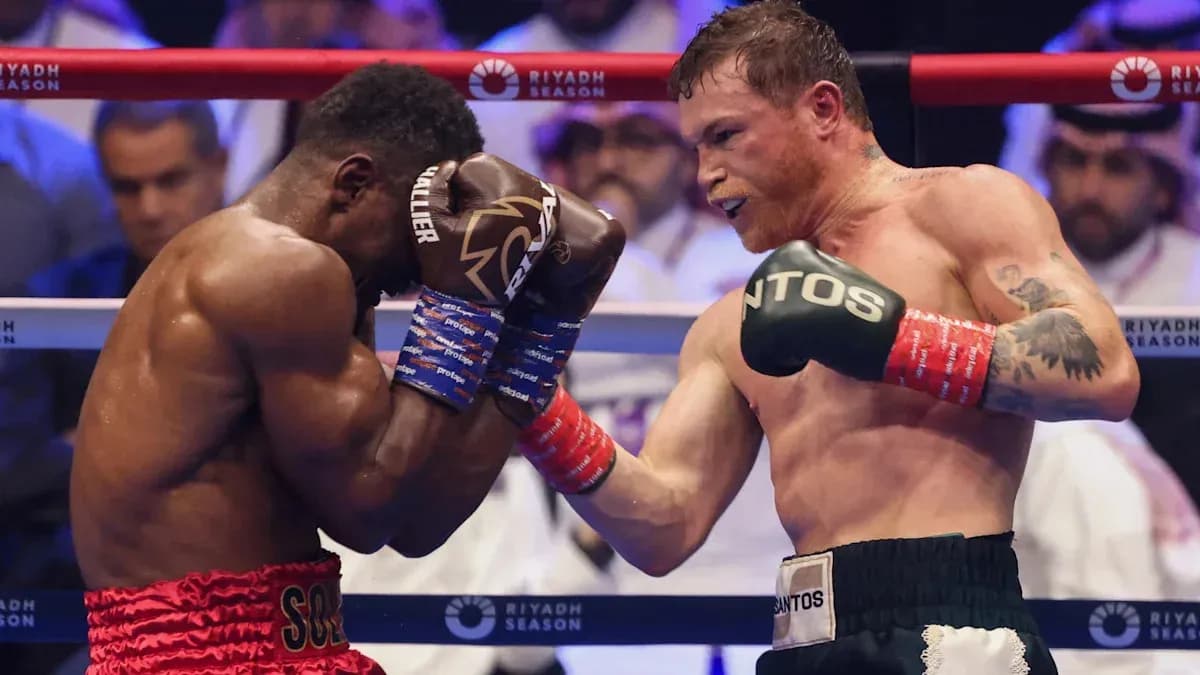
Boxing, though, became the stage on which his name quietly grew. Rising to chief inspector for the British Boxing Board of Control, Little was never the man in the ring or the one on the posters. He was the one making sure the posters didn’t end in disaster.
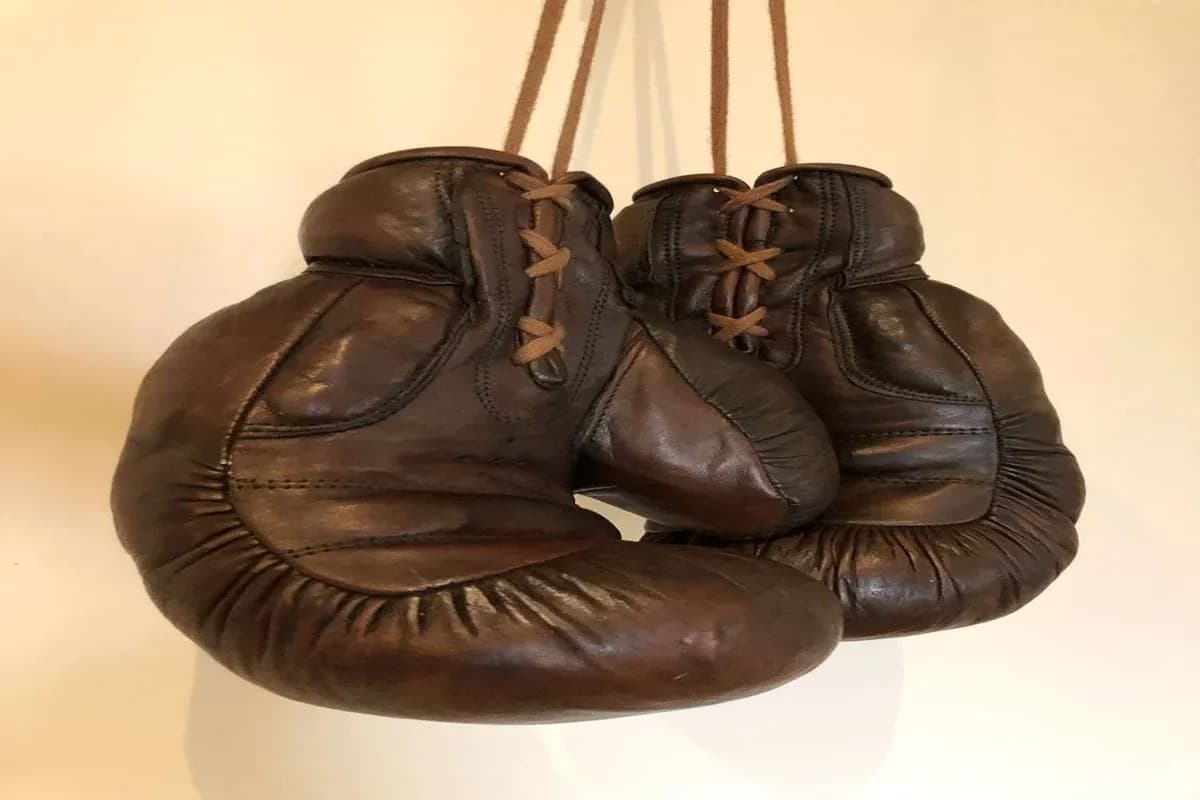
Gloves, ring preparations, security, medical cover, ambulances – the unglamorous checklist that underpins every big night. He ticked every box, every time.
One night stands out. Las Vegas. Roy Jones Jr against Antonio Tarver. A fight loaded with tension, framed by an arena that felt on the verge of bursting.
The atmosphere? “Unbelievable,” he says. He had seen plenty by then, but that night in the desert belonged in its own category.
Back home, his work brought him alongside British stars who carried the sport through different eras – Bruno’s popularity, Hatton’s travelling army, Fury’s towering presence. Little moved among them all, part of the machinery that kept the sport on track.
Guarding the Stars, On and Off the Canvas
His eye for safety and order did not go unnoticed outside boxing. Promoters and organisers knew who to call when they needed someone reliable at the door, in the wings, and in the corridors that fans never see.
Little worked security for major entertainers, including Tom Jones, Shirley Bassey and UB40. One night, singer Elaine Paige stopped the room in a different way, dedicating a performance of “Memories” to him. A small gesture, but one he has never forgotten.
For a man who grew up with nothing but rubble and sirens, it was another surreal moment in a life full of them.
“I've had the most amazing life,” he says. “I've done everything you can think of.”
A Familiar Face, A Simple Epitaph
In Bristol, Little is more than a name on old bout sheets. He is, as his daughter Charlotte Maggs puts it, woven into the city’s fabric.
“He is a very familiar face around Bristol and is hugely respected within the community and by the many people he has met throughout his life,” she says.
Respect, though, has been matched by resilience. His family has watched him fight battles no referee could stop.
“Over the years, he has battled numerous health problems, including suffering a cardiac arrest, which left our family fearing that we had nearly lost him,” Charlotte adds.
He is still here. Still telling the stories. Still slightly astonished at where life took him.
And when it does finally end, he does not want a list of titles or names carved in stone. No long tribute. No roll call of the famous faces he once protected.
His request is as direct as the life he has led.
“When I'm gone, on my headstone just put: ‘I have lived’.”