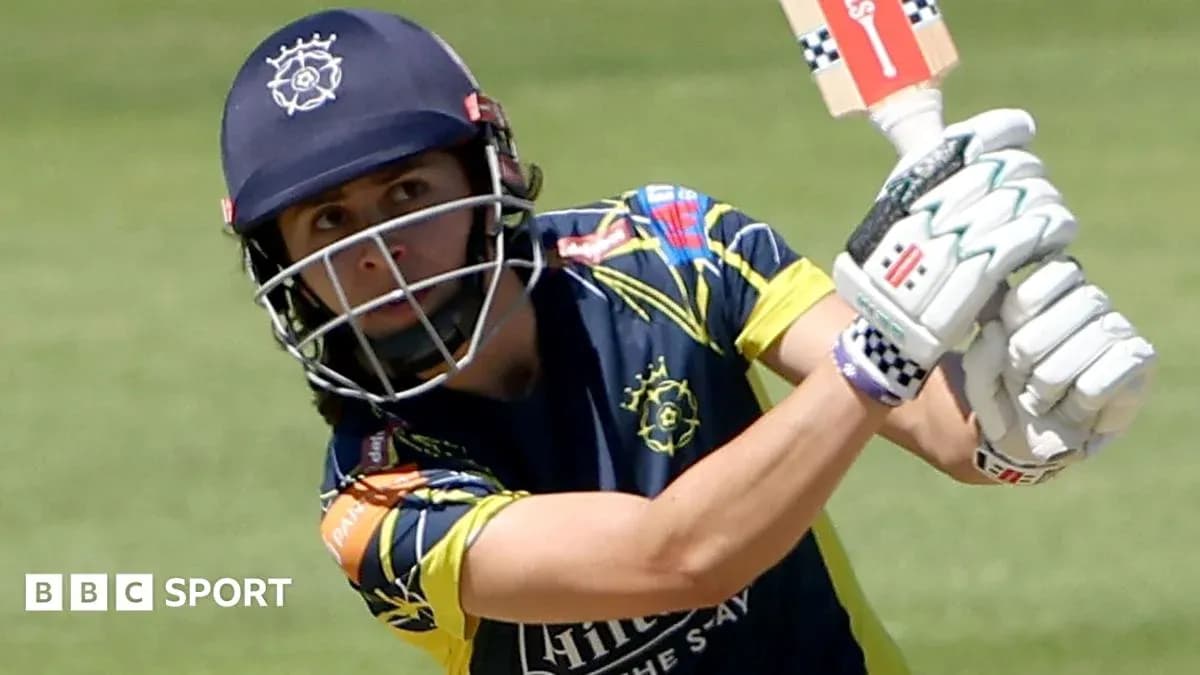

Harry Brook and Jos Buttler Lead England to Victory Over Sri Lanka
Harry Brook and Jos Buttler turned Southampton into a shooting gallery again, as England shredded Sri Lanka by 119 runs in the opening T20 and announced the Kevin Pietersen era in white-ball cricket with a thunderclap.
Under a late-summer sky at the Utilita Bowl, England’s new white-ball captain Brook lashed a brutal, unbeaten 114 from 49 balls, Buttler carved 80 from the same number of deliveries, and the hosts surged to 254-4. Sri Lanka never got close. Bowled out for 135 in 19 overs, they slipped to a 13th consecutive T20I defeat against England, a run stretching back to 2014.
Brook, Buttler and a familiar carnage
This ground has seen some wild nights. It got another.
Two months ago, Brook and Buttler had ransacked India here, piling on a 233-run stand in a total of 257-3. Buttler made the hundred that night, Brook an unbeaten 95. Same venue, same mayhem, different script.
This time the armband sat on Brook’s sleeve and the responsibility seemed to supercharge him. After debutant Aneurin Donald’s brief, crowd-pleasing cameo – 12 off 5 balls with a six and a four – ended with a miscue, Brook walked in and immediately set about dismantling Sri Lanka’s plans.
The fifth over told the story. Dunith Wellalage, a left-arm spinner with a decent reputation, ran in with the field set and a plan in mind. He left with figures bruised by one of the most savage overs England’s T20 side has produced.
Six balls. Six boundaries. Three sixes, three fours. Thirty runs.
The first blow, a six thumped onto the cushion at long-on, was slightly skewed, the timing not perfect. Everything after that was clinical. A straight drive back over the bowler’s head. A punch down to long-on. A scooped six over fine leg that mocked the length. A towering hit over long-off. Finally, a crisp cut behind point. Wellalage stared down the pitch; Brook barely blinked.
From there, Sri Lanka’s attack disintegrated under the strain. Brook and Buttler added 128 from just 60 balls for the second wicket, a partnership that felt both ruthless and inevitable once it settled. Buttler, playing his first innings since the Hundred final at Lord’s on August 16, was all muscle and timing, picking off anything even fractionally off line. Brook was the conductor, switching angles, manipulating length, turning good balls into bad ones.
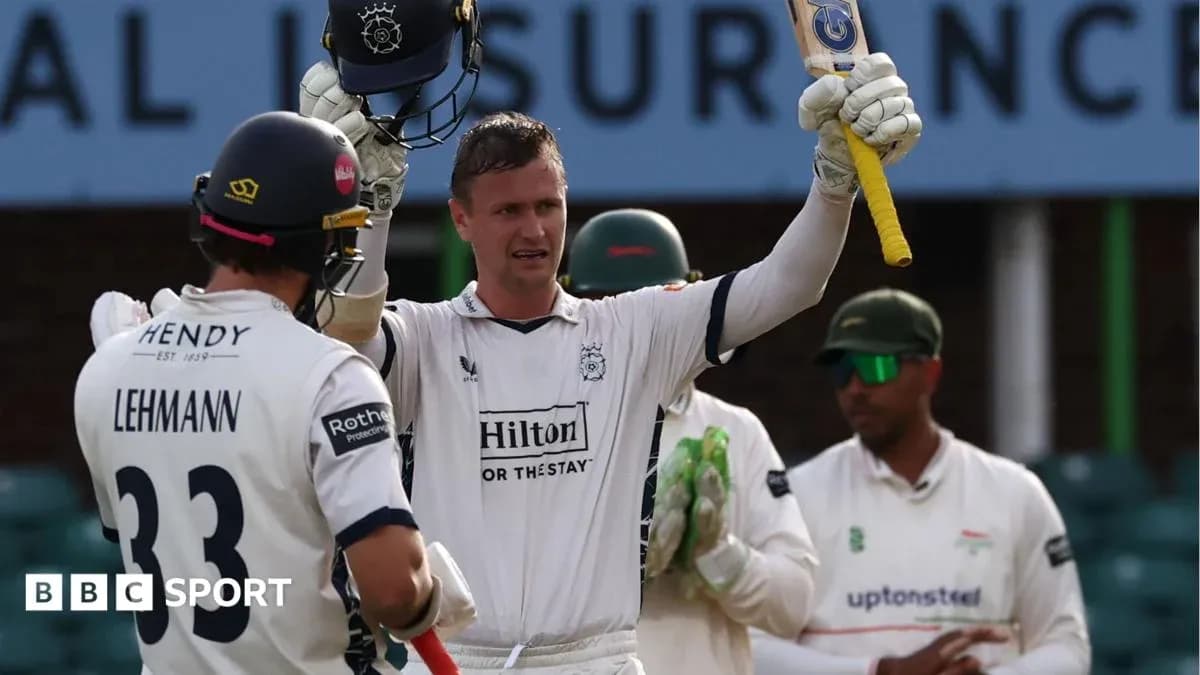
Only Phil Salt has scored a faster T20I hundred for England than Brook. Salt’s came from 39 balls against South Africa in Manchester in 2025, in a 304-2 avalanche. Brook reached three figures here in 42 deliveries, his second T20I century and arguably his most complete white-ball innings yet.
From the dugout, Pietersen – England’s new white-ball mentor and a man who knows a thing or two about destruction – watched on, smiling. He scored over 14,000 international runs between 2004 and 2014. Now he is guiding a generation capable of eclipsing even his fireworks.
Ben Stokes, observing from afar, weighed in on social media. “I don't even think the genius of KP could come close to what Brook has talent-wise,” he posted, before softening the blow: “Bit harsh on KP actually. Both are freak talents but Brook is better in my opinion.” It was the kind of verdict that underlined what everyone at the ground could see: this was a special player in full command.
By the time Brook and Buttler were finished, they had struck 28 boundaries between them. England’s total of 254-4 felt more like a statement than a score.
Baker bites, Rashid stings, Sri Lanka fold
The chase never lived.
Sri Lanka needed a flyer. They got a crawl. Sonny Baker, quick, accurate and unflustered, ripped out the early nerves and then the middle order. His 3-12 from four overs was a model new-ball spell in T20 cricket: hard lengths, relentless lines, no freebies. Kamil Mishara, bowled for 10 to give Baker his first white-ball wicket for England, was the first to discover how little margin for error there was.
The pressure mounted, the required rate ballooned, and the wickets began to fall in clusters. At 69-5 inside 10 overs, the game was gone, the contest reduced to damage limitation. Wellalage, the man Brook had brutalised earlier, fought back with the bat, top-scoring with 33 from 21 balls, including four fours and two sixes. It was spirited, but it barely scratched the surface of what Sri Lanka needed.
Just as Dasun Shanaka threatened to inject some late defiance, launching Adil Rashid for back-to-back sixes, the leg-spinner responded in the way great bowlers do. He drifted one, dipped it, and kissed the outside edge. Shanaka gone for 24 off 14. The brief spark snuffed out with a classic Rashid delivery.
Jamie Overton, skiddy and hostile, chipped in with 2-20. Liam Dawson, ever reliable, matched him with 2-23. Brook rotated his resources with a calm authority, squeezing any remaining life out of the chase. Sri Lanka’s innings ended in the 19th over, the margin of defeat as stark as the gulf in power and precision.
For England, it was another notch in a remarkable run: 21 wins from their last 24 T20 internationals. For Sri Lanka, it was another reminder of how far they have to climb in this format.
Donald’s glimpse and what comes next
Amid the fireworks, Donald’s night should not be forgotten. The 29-year-old Derbyshire batter, born in Wales and a product of the Glamorgan academy, became Cardiff’s first homegrown international since 2005 Ashes hero Simon Jones. His six over the leg side and the drilled four through extra-cover hinted at the ball-striking that earned him this chance. The miscued dismissal, spooning Wellalage down the ground, showed the fine margins at this level.
He will have another shot in the country of his birth on Thursday night in Cardiff, where England can wrap up the series with a game to spare before heading to Emirates Old Trafford on Saturday. Brook’s “boys”, as this refreshed white-ball group is already being dubbed, will expect nothing less.
Southampton has already seen what this new England can do under the gaze of Pietersen and the guidance of a captain who bats like a storm. The question now is simple: if this is only the beginning, how much more frightening can they become?