Harry Brook's Stunning T20 Century Leads England to Victory
Harry Brook was supposed to be tired. He was supposed to be the one England wrapped in cotton wool after a frantic summer, the captain granted a breather before the calendar bites again. Instead, under the Rose Bowl lights, he looked like the freshest player on the field – and Sri Lanka paid for it.
Brook shredded them.
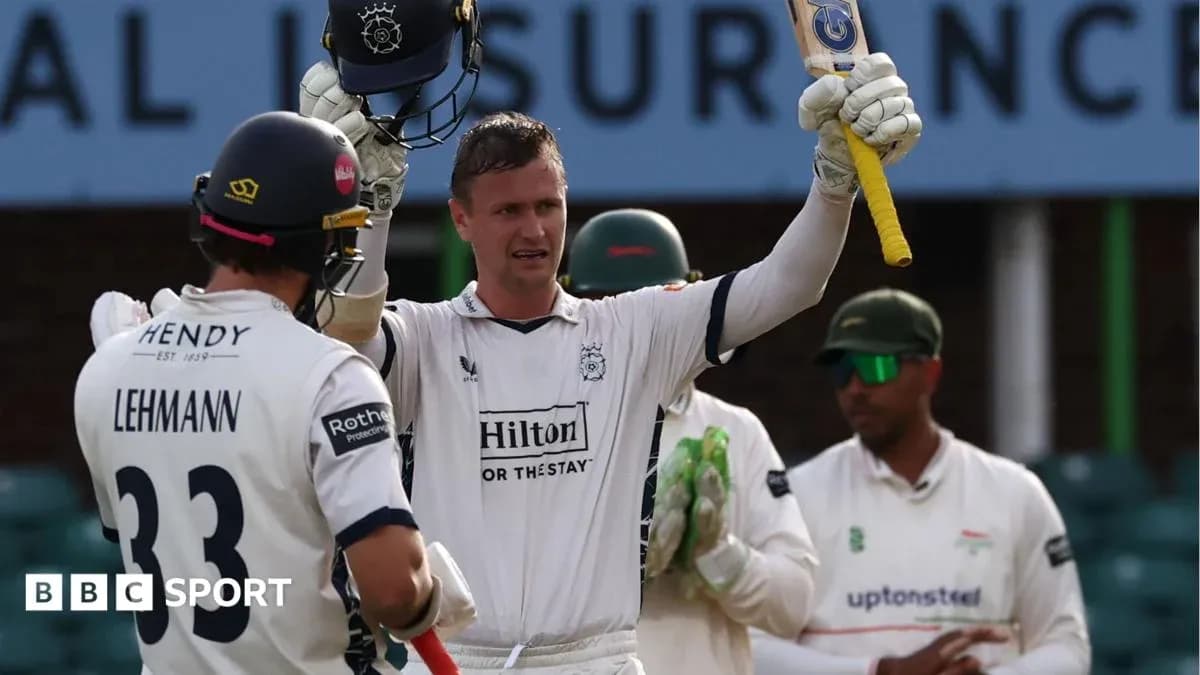
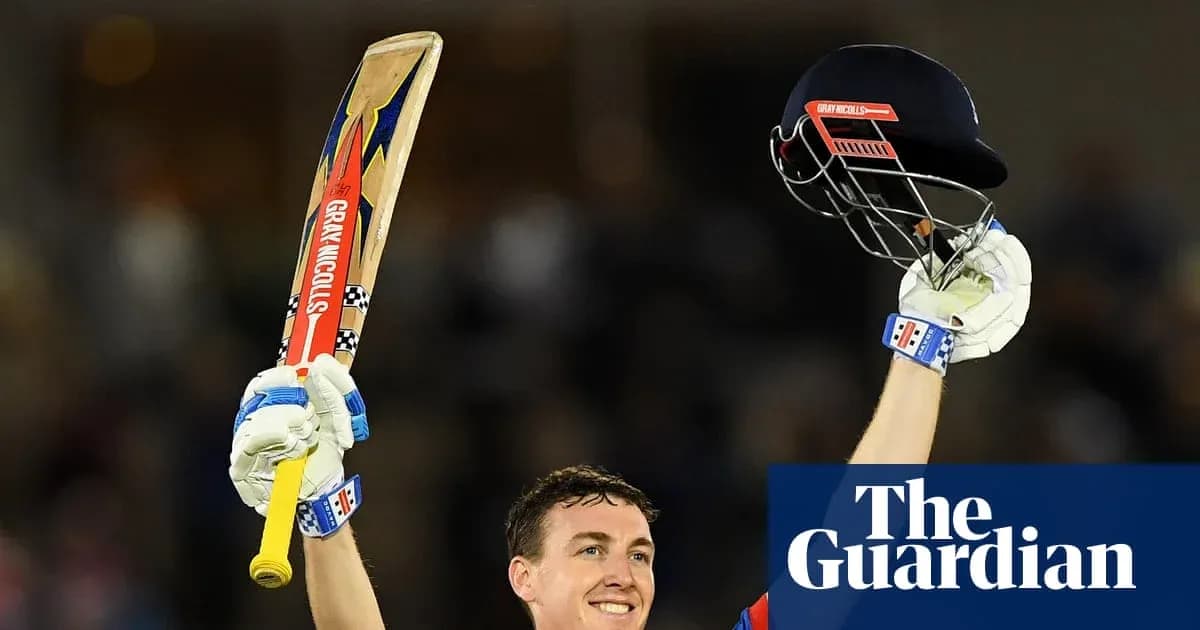
His 114 not out from 42 balls was not just a T20 hundred, it was a demolition. A third of those deliveries went to the rope, six of them clearing it, as England surged to 254 and a 119‑run win – their 19th victory in 22 completed games since he took the reins. The numbers are outrageous, but they barely capture the mood. This was one man dictating an entire evening.
He didn’t just stand and swing. He ran them ragged. Brook milked the vast outfield, turned ones into twos, twos into panic, and forced mistakes from a Sri Lankan side that quickly lost its shape. Misfields crept in, shoulders dropped, and England’s captain kept darting back for more.
“I’ve been feeling there or thereabouts all summer, in all three formats,” he said afterwards. “I feel I’ve let myself down a couple of times, I’ve had opportunities to get a big score, and thankfully I didn’t give that opportunity up today.” On this evidence, “there or thereabouts” is a savage understatement.
A freak at No 3
This was Brook’s second T20 international century, the first having arrived in Sri Lanka earlier this year against Pakistan at the World Cup – also from No 3, the position that now looks nailed to his name. He has batted there eight times for England. The returns are absurd: two hundreds, two unbeaten fifties, an average of 95.2 and a strike rate of 200.84. These are numbers from a video game, not a player who insists he’s only just getting going.
The reaction from the sidelines matched the carnage in the middle. Ben Stokes, watching on, labelled him “an absolute freak” on X and went further, saying that “not even the genius of KP could come close to talent-wise”, a striking reference to Kevin Pietersen, now in the England dressing room as batting mentor. When one all-time white-ball great talks like that about another, you pay attention.
Jos Buttler certainly did his bit, yet still felt like a supporting act. England’s long‑time white-ball talisman hammered 80 from 44 balls, was reprieved on 45, and at any other time would have owned the night. Here, he simply cleared the stage for his successor as captain and focal point. Buttler’s aggression set the tempo; Brook’s innings turned it into humiliation.
Early spark, instant response
The tone had flickered into life even before Brook arrived. Aneurin Donald, at 29 England’s oldest debutant since Dawid Malan in 2017, walked out with the air of a man determined not to let the moment pass him by. He launched Maheesh Theekshana for six and four off the final two balls of the opening over, a bold, crowd‑pleasing start.
It ended abruptly. The first ball of Dunith Wellalage’s spell, the third over of the innings, drew a miscued drive straight down the ground and straight into waiting hands. Donald gone, promise unfulfilled.
For Wellalage, that over seemed to change everything. A wicket, just five runs, a hint of control. He stayed on. Then Brook arrived and ripped up the script. In Wellalage’s next over, Brook plundered three sixes and three fours, savaging any sense of restraint Sri Lanka thought they had found. From there, England never took their foot off the throat.
By the end of the powerplay, the contrast was brutal. England had 90 for one after six overs, the platform for a monstrous total. Sri Lanka, chasing a mountain, staggered to 32 for three at the same stage. The contest effectively ended there.
Sri Lanka blown away
Sri Lanka had chosen to bowl and, on paper, enjoyed the best of the conditions later on. In reality, they never came close to matching England’s tempo or clarity. Their innings featured nearly three times as many dot balls as England’s and just over half as many boundaries. In a format defined by momentum, they never found any.
The chase unravelled quickly. Wickets fell, scoring stalled, and the asking rate sprinted into the distance. Only Wellalage, promoted from his early torment with the ball to salvage something with the bat at No 8, offered resistance. He top‑scored and at least ensured the scoreboard did not descend into total farce.
There were flashes of defiance. Dasun Shanaka briefly lit up the evening when he clubbed Adil Rashid for back‑to‑back sixes, both hammered either side of long‑off with real authority. It felt, fleetingly, like a statement. The next ball kissed his edge and nestled in Buttler’s gloves. Resistance over, hope gone.
Sri Lanka’s innings ended at 135 all out, with an over unused. The margin – 119 runs – told its own story. So did the words of their captain, Charith Asalanka: “It was a tough day for us. Positives-wise, it didn’t have anything.” Brutally honest, and brutally accurate.
Baker’s rebirth and a ground England now own
If Brook’s hundred was the headline, Sonny Baker quietly supplied a compelling sub‑plot. A year ago, on T20 debut against Ireland, he had been expensive and raw. On his second appearance, he looked like a different bowler. Four overs, three wickets, just 12 runs. He hit his lengths, held his nerve and squeezed the life out of a chase that was already gasping.
The wider picture is just as ominous for anyone visiting this part of the south coast. England have turned the Rose Bowl into a playground. In their last three games here they have obliterated South Africa by 342 runs in a record‑breaking one‑day international, brushed aside India in a T20, and now dismantled Sri Lanka.
Nine meetings already between these two sides this year, with potentially six more before Halloween. If Sri Lanka cannot find a way to disrupt Brook – to deny him the freedom, the angles, the rhythm he thrives on – the coming weeks will feel very long indeed.
And as England walk off having made another statement in Southampton, one thought lingers: if this is what they do to visiting teams here in white-ball cricket, how long before the Rose Bowl gets the Ashes night it now seems to deserve?