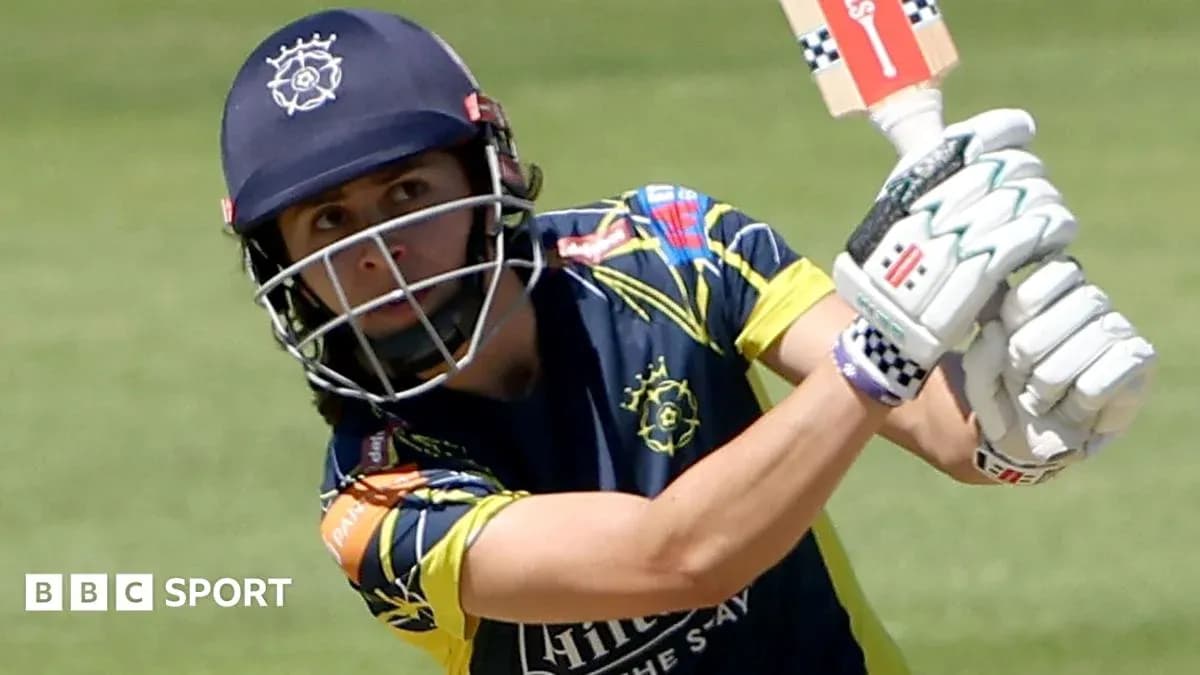
Imam-ul-Haq Injury Controversy Sparks Inquiry Amidst Pakistan's England Tour
ISLAMABAD — Pakistan’s bruising tour of England has taken a fresh twist, with a senior selector publicly questioning both Imam-ul-Haq’s injury and the team’s medical protocols after the opener sat out an innings defeat at Lord’s.
Aaqib Javed, a member of the four-man national selection panel, has called for a formal inquiry after Imam failed to bat in either innings of Pakistan’s 194-run loss in the second Test on Sunday.
“An inquiry will be conducted into this matter,” Aaqib told Geo TV in an interview aired on Tuesday night, laying bare tensions that have simmered beneath a troubled tour.
Imam injury sparks anger
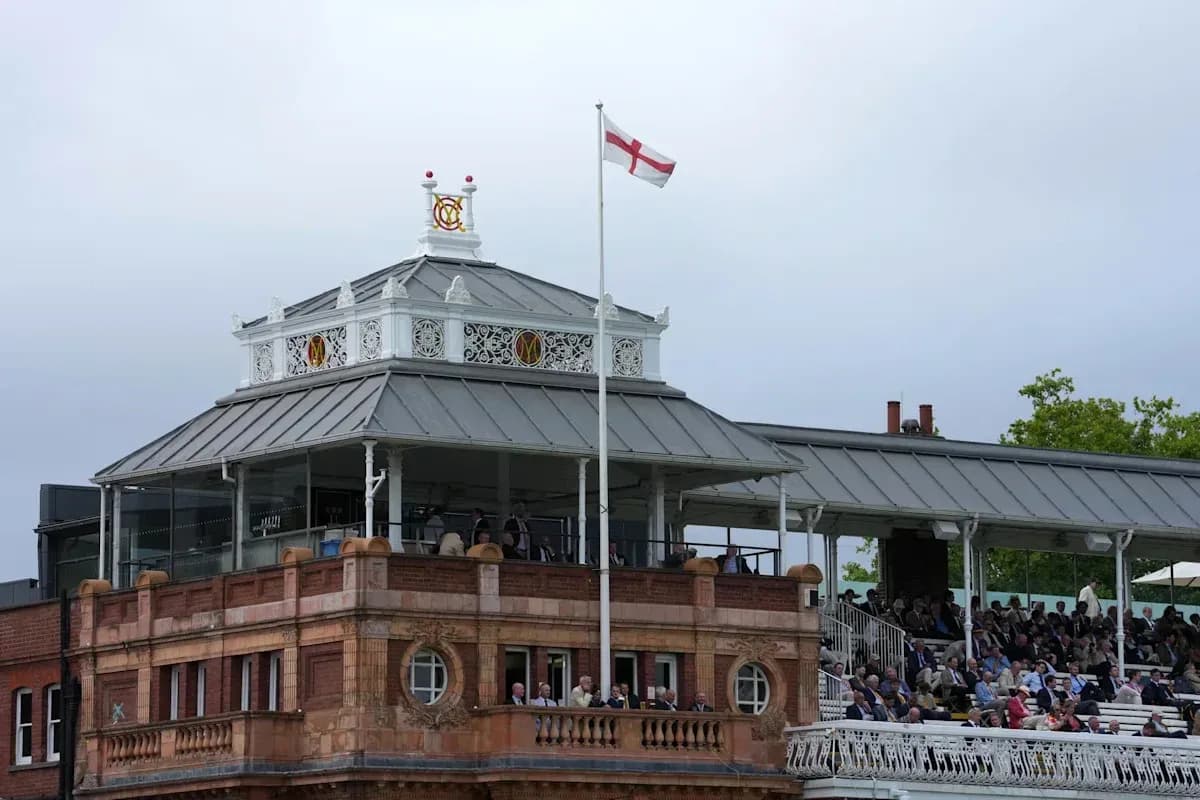
Imam pulled up with a calf problem on the first day at Lord’s while fielding and took no further part in the match. Pakistan, already under pressure after defeat at Headingley, crumbled again with the bat and never seriously threatened England.
For Aaqib, the sight of a senior opener not taking guard in either innings crossed a line.
“How is it possible that you failed to come out to bat in both innings after pulling up a muscle?” he said. “Injuries do occur and we have seen instances in the past where players — even with casts — have gone out and made an effort. This situation is different. It is a matter of great concern, and action will be taken regarding it.”
Former chief selector Mohammad Wasim also raised questions in the local media, adding to the scrutiny around both Imam and the team’s medical decision-making.
The pressure seemed to reach Imam as well. After Wasim’s criticism, he appeared in the outfield before play on the fourth day, limping as he shadow-batted with his left calf heavily strapped. He still did not feature in the match.
The Pakistan Cricket Board has since recalled Imam from England, along with six other players and members of the support staff, as the fallout from back-to-back defeats deepens.
Shake-up in coaching and squad
Bowling coach Umar Gul and head coach Sarfaraz Ahmed have also been summoned home after the twin losses at Headingley and Lord’s, underlining the scale of Pakistan’s mid-tour reset.
For the final Test at Birmingham, starting September 9, the white-ball coaching duo of Mike Hesson and Ashley Noffke will step in to lead the red-ball side. It is an unusual move, and it comes alongside a bold selection gamble.
Selecters have named five uncapped players for the series finale. Two other openers, Saim Ayub and Abdullah Fazal, come in with only 10 Tests between them. It is a clear signal: reputations no longer guarantee security, and Pakistan are willing to throw in fresh faces in the toughest conditions.
Rift over Lord’s XI
Behind the scenes, the arguments have not just been about injuries. They have been about selection power.
Reports from the tour point to serious differences between the team management and Aaqib over the playing XI at Lord’s, disagreements significant enough to force changes midway through the series.
Aaqib pushed hard for a different balance. He wanted a fast-bowling allrounder in the side, the raw pace of Ubaid Shah, and a change behind the stumps.
He argued that wicketkeeper-batter Ghazi Ghori, already with the squad, should have replaced Mohammad Rizwan for the second Test. The management resisted, opting instead to drop Salman Ali Agha — who had captained Pakistan in the first Test in Babar Azam’s injury-enforced absence — while keeping Rizwan in the XI.
“We can’t just keep waiting,” Aaqib said. “I had actually spoken to both the captain and the coach after the first test, suggesting they include Ubaid, who bowls at 140 kph. Agha was rightly rested, Ghazi Ghori was available on the tour and should have played instead of Rizwan.”
Those words cut to the heart of the issue: who shapes Pakistan’s Test team, and on what vision?
As Pakistan head to Birmingham with a revamped squad, a new coaching setup and an inquiry looming over one of their senior openers, the final Test is no longer just about salvaging a series. It is about deciding which voices will define the next phase of their red-ball cricket.