India Survives Japan's Challenge in Dramatic T20 Thriller
On a grey day in Sano, the world champions came within a whisker of being humbled.
India, the reigning giants of T20 cricket, escaped with a two‑run win over Japan in a one-off five-over shootout at Sano Cricket Ground, a contest that turned on a single, fiercely debated wide in the final over.
A heavyweight squeezed to 32
The script was not supposed to look like this.
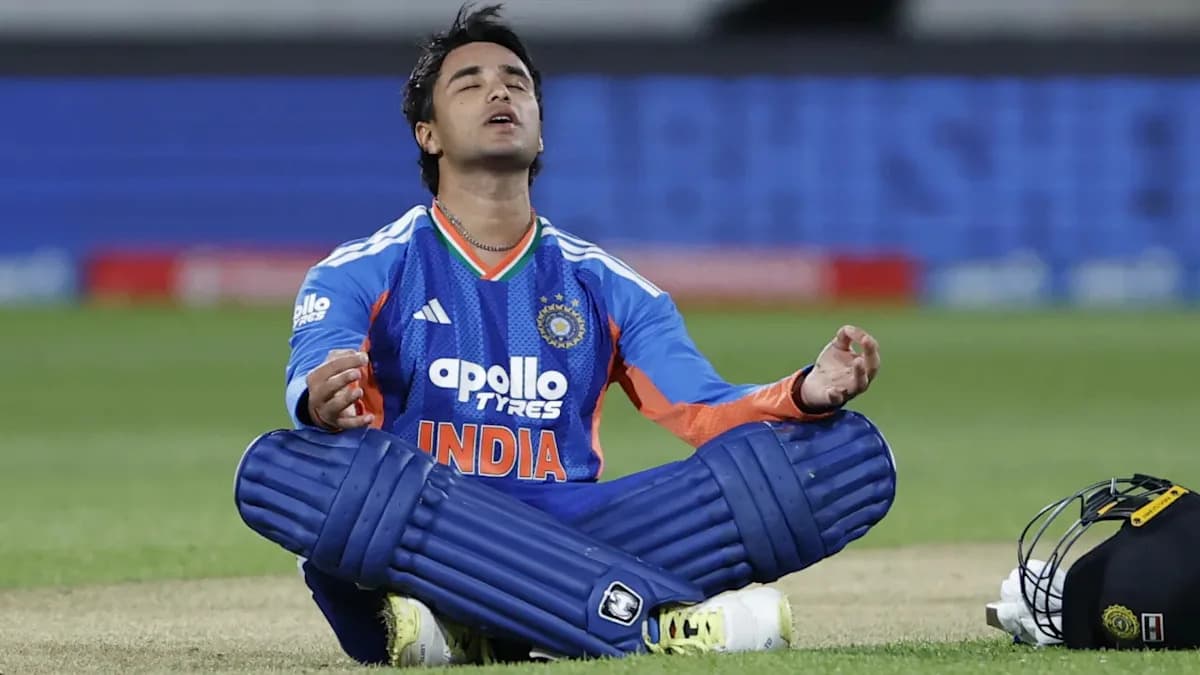
Asked to bat in a match shortened to five overs a side, India spluttered to 32-4. Their usually brutal top order never arrived. Seventeen-year-old spinner Charlie Hara-Hinze ripped through the start of the innings, removing the dangerous Abhishek Sharma with his first ball and finishing with 2-17.
At 14-3, India were rattled. Shreyas Iyer, captaining and carrying, scraped together 16 from 12 balls to drag his side to something resembling a total. It still felt thin. Against Japan. In a T20. With a full-strength Indian side preparing for the Asian Games.
But Japan had already made their point. They had squeezed the “cricketing juggernauts” so hard that 33 suddenly looked like a mountain.
Japan’s chase lurches, then ignites
The reply began badly. India’s new-ball pressure reduced Japan to 8-2 after two overs, the chase stalling before it had even started. The upset that had briefly flickered seemed to be slipping away.
Then came the counter.
Over three and four went for a combined 17 runs, Japan finding the gaps, running hard, and refusing to be overawed by the badges on the opposition shirts. Alexander Shirai-Patmore and his partners kept the equation manageable, nudging and sweeping their way back into the contest.
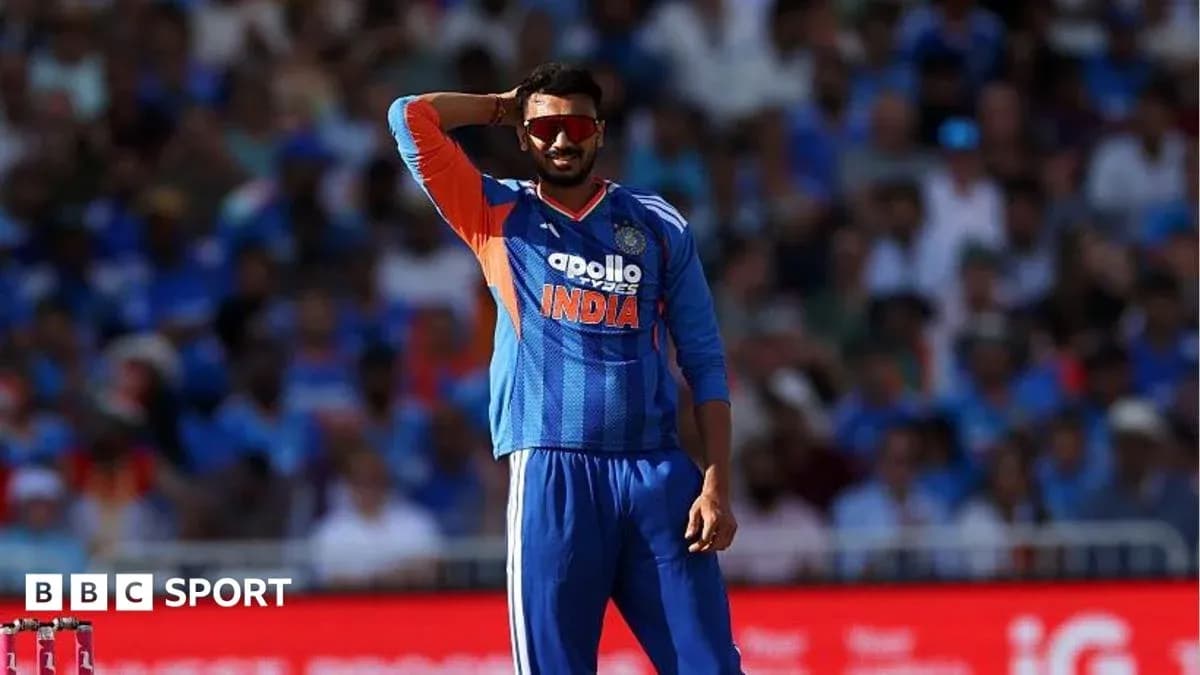
Heading into the final over, Japan needed eight. Against Axar Patel. Against India. With a first-ever international win over them dangling in front of a small but captivated crowd.
The wide that wasn’t
The tension snapped on the fourth ball of Axar’s over.
Shirai-Patmore, a left-hander, set up for a reverse sweep. Axar fired the ball down what, for a conventional stance, would have been the leg side. The ball passed him. The umpire’s arm went out. Wide signalled.
Japan’s dugout roared. The equation, at that instant, swung to five needed from four balls. India’s fielders froze, then erupted.
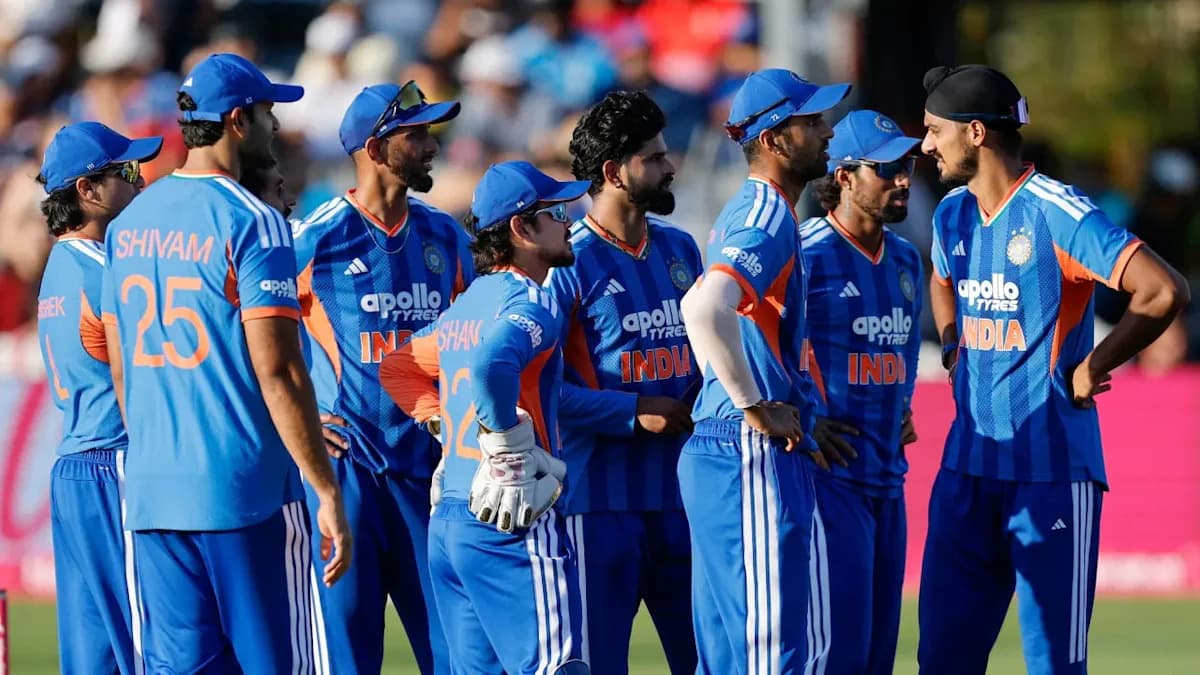
Axar was livid. Shreyas joined him, striding straight to the umpire. Under white-ball convention, anything down the leg side is usually called wide. But this was no ordinary stance, and no ordinary moment.
The two umpires came together. A long conversation followed, India’s players crowding around, Japan watching from a distance, the match hanging on an interpretation of law and intent.
Then the signal came. The wide was overturned.
Suddenly, instead of five off four, Japan needed six off three. The mood flipped. India had their lifeline.
Law, spirit, and a thin margin
The reversal dragged the spotlight onto a rarely discussed corner of the ICC’s T20 playing conditions.
Once a batter changes the position of their hands or feet to play a reverse shot, they lose the usual “leg-side wide” protection. A delivery is only a wide if it passes wide of where the striker is standing and would also have been wide had they been in a normal batting position.
By that wording, the umpires eventually landed on the right call. The ball, judged against a standard stance, was not wide. Japan’s anguish lay not in the letter of the law, but in the way the decision was reached.
There was no DRS in place. No replay protocol. Just a signal, an appeal, a huddle, and a reversal in the final over of a tight chase. All this against the backdrop of the “spirit of cricket” preamble, which still urges players to accept the umpire’s decision, even if that is not a formal law.
On this day, the decision stood. And it changed everything.
Axar shuts the door
With the controversy still crackling in the air, Axar reset. Japan tried to swing the game back, but the left-arm spinner held his nerve, conceding nothing loose. He closed out the over to finish with 0-7 from his two, an economy spell that underpinned India’s escape.
Japan ended on 30-3. Two runs short. Agonisingly close to the greatest scalp in their cricketing history.
A warning shot before the Asian Games
For India, this was supposed to be a tune-up for the men’s Asian Games, which begin on 24 September. Instead, it became a warning. Their depth, their aura, even their game management were pushed to the brink by a side that has never reached a T20 World Cup and had never before faced them in international cricket.
For Japan, it was a near miss, but also a statement. They held India to 32-4. They took the game to the final ball of a chaotic, compelling contest. And for a few minutes in Sano, they had the world champions arguing the fine print of the law to stay alive.
If this is how Japan play in a five-over scrap, what happens when they get a full stage and a full 20?